Identifying grass allergy symptoms in dogs


Key takeaways
- Dogs with symptoms often described as "grass allergies" are frequently reacting to multiple summertime allergens, such as grass pollen, weed pollen, mold spores, dust mites, or fleas, rather than grass alone.
- Identifying every allergen contributing to your dog's symptoms is usually not necessary to begin effective treatment. Most dogs can start feeling better based on their history, symptoms, and physical examination findings.
- An online vet can help evaluate your dog's symptoms and develop a management plan to improve their comfort, all without you having to leave home.
Does my dog have a grass allergy?
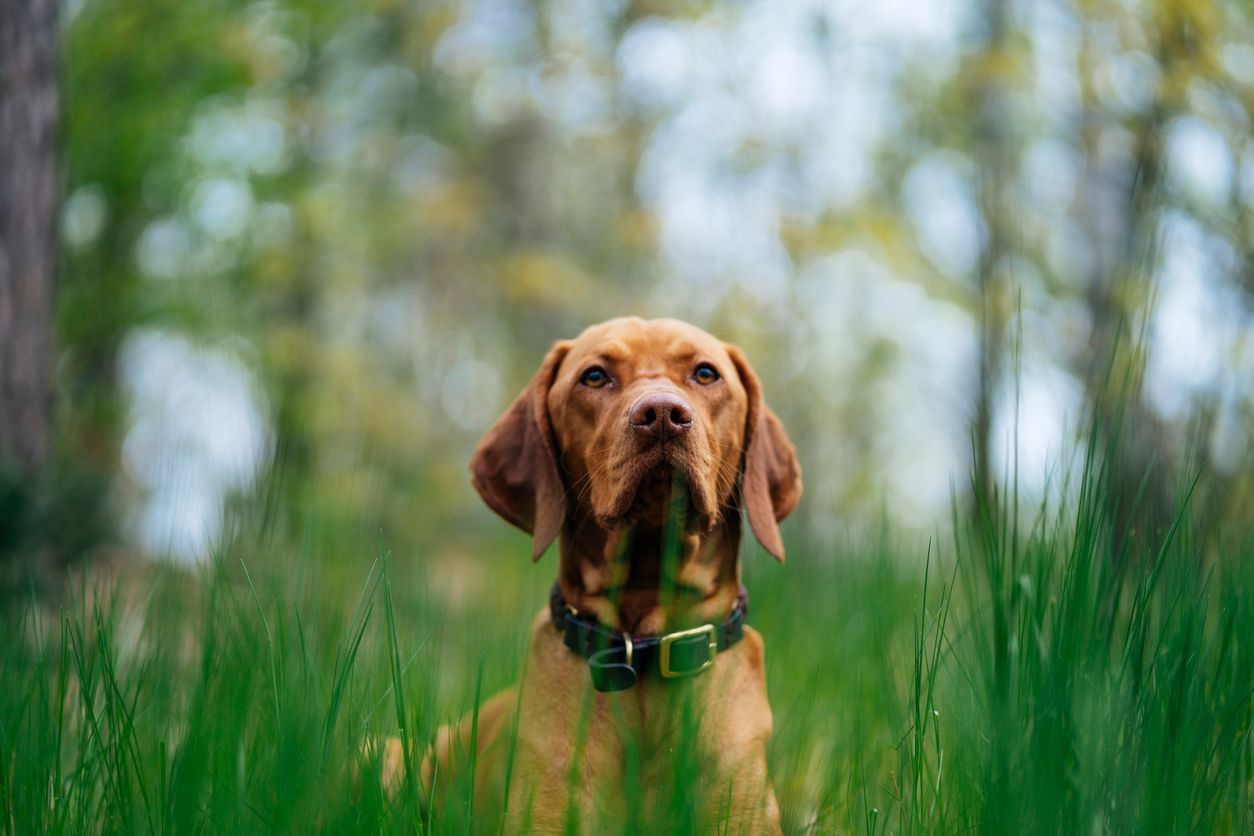
"I think my dog is allergic to grass" is a common concern, especially when dogs develop itchy, red feet or spend a lot of time licking and chewing their paws during the spring and summertime.
Although the term "grass allergy" is widely used, symptoms and seasonal timing alone cannot confirm that grass is the only trigger. Many dogs react to multiple allergens at the same time, including weed and tree pollens, mold spores, dust mites, and fleas.
Most dogs with what owners describe as grass allergies actually have canine atopic dermatitis, an inherited condition in which the immune system overreacts to environmental allergens. Depending on the individual dog, symptoms may occur seasonally, year-round, or both.
Fortunately, it's not necessary to identify every allergen before treatment can begin. Veterinarians can usually start building an effective treatment plan based on your dog's age, history, symptoms, and physical examination findings. Early treatment focuses on controlling itch and addressing common secondary skin and ear infections.
If your dog has allergy symptoms, speaking with a vet is the best first step. A virtual vet on Vetster can help you assess what you're seeing and start building a plan.
How grass can affect your dog
Your dog can be exposed to environmental allergens, including grass pollens, through inhalation or direct skin contact. Though some dogs become itchy after spending time in grassy areas, they are not necessarily reacting to touching the grass blades themselves. Most allergy flare-ups associated with "grass allergies" are thought to result primarily from exposure to airborne allergens (like pollen) rather than skin contact alone.
It's also important to remember that "grass allergy" does not mean all grasses are the same. Different species of grass produce different pollens, and a dog that reacts to one type of grass pollen may not necessarily react to every type of grass.
Allergens can also accumulate on the coat, paws, inner legs, and belly during outdoor activity, so dogs may continue to be exposed when they groom themselves.
Common symptoms to watch for
What exactly does a grass allergy look like on a dog? Environmental allergy symptoms can affect your dog's skin, ears, eyes, and occasionally the respiratory tract. These signs look similar regardless of whether the trigger is grass pollen, another environmental allergen, or a combination of factors. For that reason, symptoms alone are not used to determine which allergens are involved.
Here's what to watch for, especially in the spring and summer:
Skin symptoms
- Itching and scratching, especially on the paws, belly, face, armpits, and groin
- Paw licking or chewing
- Redness, skin inflammation, or rash
- Rubbing the face on furniture or carpet
- Hair loss from persistent scratching, licking, or chewing
- Rust-colored staining on the coat where your dog licks repeatedly
- Hot spots: raw, inflamed, sometimes infected patches of skin
- Thickened or darkened skin over time, a sign of chronic inflammation
Ear symptoms
- Recurring ear infections, head shaking, or scratching at the ears
- Red, greasy, or smelly ear canals or inner ear flaps
Less common symptoms
- Sneezing or a runny nose
- Watery, red, or irritated eyes
Most allergy symptoms are uncomfortable rather than urgent, but some situations require prompt veterinary attention. Contact your vet right away if your dog develops sudden, severe swelling (especially of the face or throat), difficulty breathing, or extreme lethargy after being outdoors.
If scratching damages the skin, secondary bacterial or yeast infections can develop and significantly worsen the itch cycle.
Are some breeds predisposed to grass allergies?
Some dogs are genetically more likely to develop environmental allergies than others. No breed is predisposed specifically to a grass allergy alone, but certain breeds are more prone to canine atopic dermatitis, the broader condition behind most of what owners describe as grass allergies.
Though any dog, pure-bred or mixed, can develop atopic dermatitis, some of the breeds that are associated with a higher risk include:
- Chinese Shar-Pei
- Wirehaired Fox Terrier
- Golden Retriever
- Dalmatian
- Boxer
- Boston Terrier
- Labrador Retriever
- Lhasa Apso
- Scottish Terrier
- Shih Tzu
- West Highland White Terrier
Symptoms typically first appear between 6 months and 3 years of age. If you've noticed seasonal itching, recurring ear infections, or persistent paw licking, it's worth discussing with a vet sooner rather than later.
"Some dogs are simply born with a greater tendency to develop environmental allergies than others. That doesn't mean a dog of a predisposed breed will definitely have allergy problems, but recognizing the signs early and working with your veterinarian can make a big difference in keeping symptoms under control." —Dr. Jo Myers, Vetster veterinarian
How to help a dog with a grass sensitivity
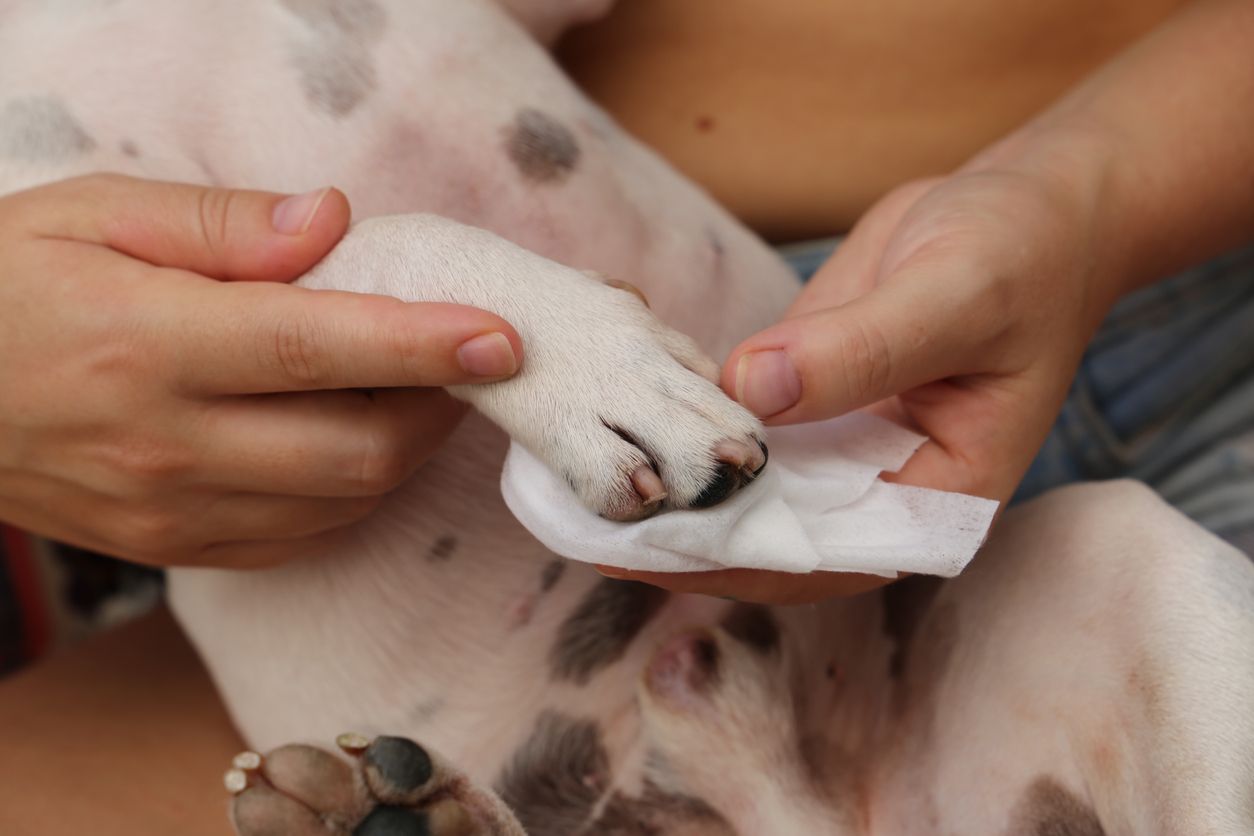
Helping a dog with grass or other environmental allergies usually involves several different strategies, including medication recommended by a veterinarian. You can't always control what your dog is exposed to outdoors, but you may be able to reduce how much pollen and other allergens they bring back inside.
Wipe paws and legs after walks
Wiping your dog's paws, lower legs, and belly after walks can be a simple way to reduce exposure to pollen, mold spores, and other allergens on the coat and skin. A damp cloth or fragrance-free grooming wipes can work well. Pay special attention to between the toes and paw pads, where allergens tend to collect.
Regular bathing
Bathe your dog regularly to help remove allergens from the skin and coat. This can noticeably improve comfort in some allergic dogs. During high-pollen periods, bathing once or twice a week may help. A veterinarian can help you determine the right frequency and shampoo for your dog's skin, as well as how to apply topical treatments if needed.
Flea prevention
Dogs with atopic dermatitis are likely to also react to fleas. In sensitive dogs, even a single flea bite can trigger significant itching, and you may never see a flea. For this reason, year-round flea prevention is an important way to help your dog manage environmental allergies.
Other tips to keep in mind
- Use air conditioning or consider an air purifier indoors, especially during high-pollen periods.
- Consider limiting outdoor activity during peak pollen hours, which are often highest in the mid-morning.
- Wash your dog's bedding, harness, and leash regularly, since allergens can accumulate on soft surfaces.
- Vacuum and dust frequently.
- Ask your veterinarian whether omega-3 fatty acid supplements Managing your dog’s allergies with supplements may be appropriate to help support your dog’s skin barrier health.
When to see a vet for grass allergy management
If your dog regularly scratches after spending time outdoors, licks their paws, shakes their head, or experiences recurring ear problems, those signs are worth discussing with a veterinarian before they become more severe. The good news is that you don't need a definitive diagnosis of a grass allergy before starting treatment, because the goal is not to eliminate every trigger, but to keep symptoms under control, support skin barrier health, and address infections early when they occur.
An appointment on Vetster can be a convenient first step. A veterinarian can assess your dog's symptoms, help determine whether allergies may be contributing, recommend or prescribe medications for immediate relief, and develop a long-term management plan. They can also identify and treat secondary skin or ear infections and advise when in-person care may be needed.
If your dog is showing signs of seasonal allergies, book an appointment with a veterinarian on Vetster to get personalized advice and relief for your dog.
FAQ
How do I determine if my dog is allergic to grass?
A veterinarian can often diagnose environmental allergies based on your dog's history, symptoms, and physical examination. Typical signs include seasonal itching that tends to worsen in the spring and summer, especially involving the paws, belly, ears, and face.
Many dogs are reacting to a combination of environmental allergens, which may or may not include pollens from specific types of grass. Because of this, treatment usually focuses on controlling symptoms and treating secondary infections rather than identifying if grass plays a role.
A veterinarian will also work to rule out other causes of itching, such as fleas and other parasites. In some cases, allergy testing may be recommended to help guide allergen-specific immunotherapy ("allergy shots"), but identifying specific allergens is not necessary for most dogs to begin feeling better.
Can you cure grass allergies in dogs?
Environmental allergies in dogs can't be cured and are lifelong, but they can be managed effectively. The goals are to minimize exposure to triggers, keep symptoms under control, and prevent secondary infections. Many dogs do well with a combination of medication, flea control, regular bathing, paw wiping, and ongoing vet support. Allergen-specific immunotherapy, also called allergy injections or shots, may be an option as part of a long-term management plan for dogs who are more difficult to manage, though they don't cure the condition.
Does Benadryl help with grass allergies in dogs?
Diphenhydramine (the active ingredient in Benadryl) may offer mild relief in some cases, and vets may recommend it in specific situations. However, antihistamines have variable effectiveness in dogs and are often not sufficient on their own for moderate-to-severe allergy symptoms.
Many dogs with environmental allergies require more effective medications that specifically target the drivers of canine allergies to adequately control itching and prevent secondary skin and ear infections.
Always check with a veterinarian before giving any over-the-counter medication, since some Benadryl products contain additional ingredients that are not safe for dogs.
What can I give my dog for grass allergies over-the-counter?
Over-the-counter options are limited. Some dogs may experience mild improvement with antihistamines such as diphenhydramine, but these medications have variable effectiveness and are often insufficient on their own.
Omega-3 fatty acid supplements may help support skin barrier health over time, and hypoallergenic shampoos can help remove allergens from the skin and improve comfort.
If your dog is scratching to the point of damaging the skin, has recurring ear infections, or is becoming increasingly uncomfortable, it's important to consult a veterinarian. Many of the most effective treatments for environmental allergies require a prescription.
Disclaimer: This article is intended for general informational purposes only and does not constitute veterinary medical advice. Always consult a licensed veterinarian before making decisions about your pet's health, diagnosis, or treatment.