Interdigital furunculosis and how allergies affect dog paws


Key takeaways
- Allergic skin disease commonly affects the paws. Ongoing inflammation and repeated licking can damage the skin barrier and increase the risk of interdigital furunculosis.
- Interdigital furunculosis is a deep inflammatory condition between the toes. Allergies are a common cause, but foreign material, paw anatomy, trauma, parasites, and other conditions can also contribute.
- Early veterinary assessment can help identify the underlying cause, guide treatment, and reduce the risk of recurrent flare-ups.

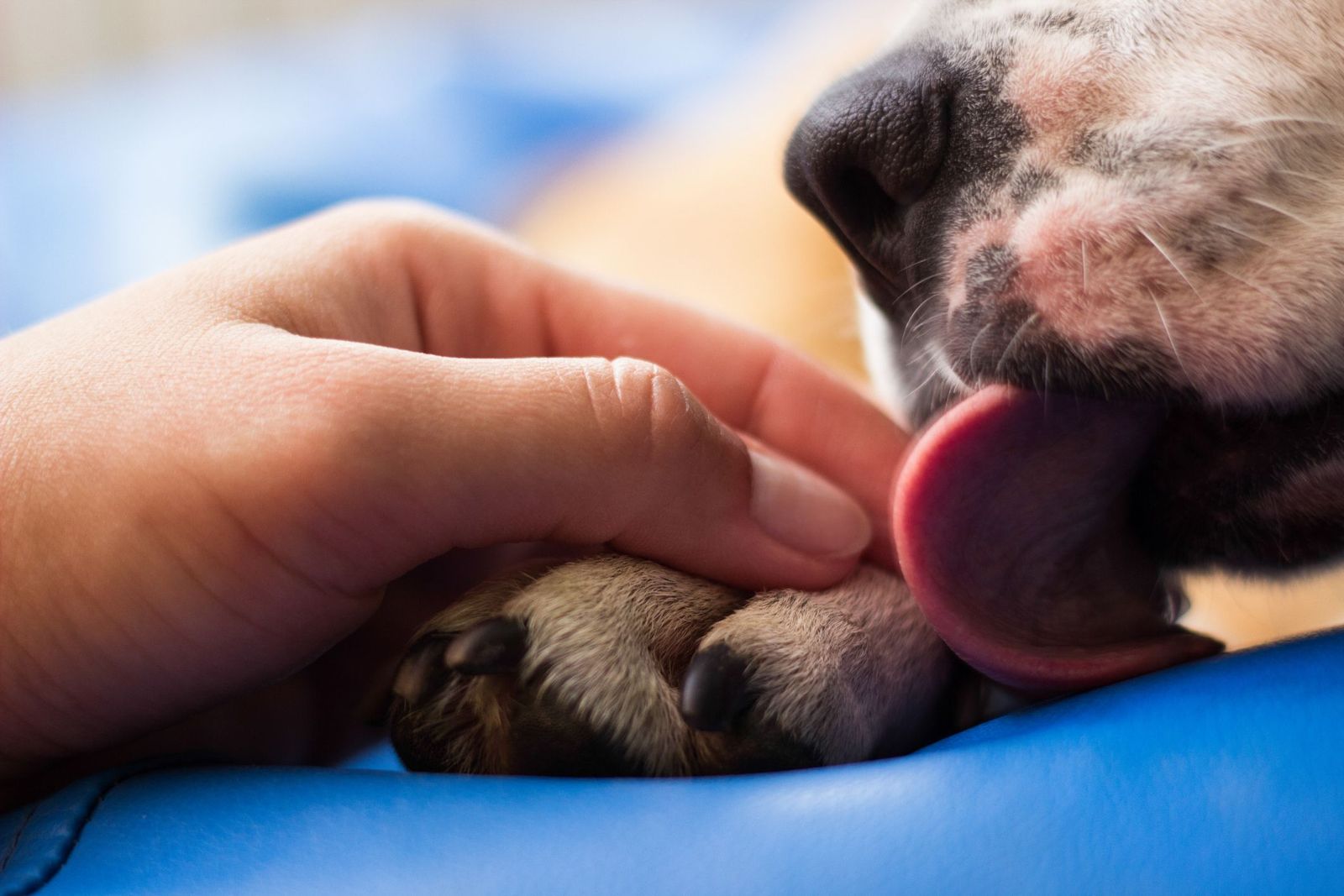
For dogs with allergic skin disease, the paws are among the areas most commonly affected. Persistent inflammation and repeated licking can turn mild irritation into painful swelling and nodules between the toes.
These lesions are often called interdigital cysts, but the more accurate medical term is interdigital furunculosis. Interdigital furunculosis develops when inflammation extends deep into the tissues between the toes, often following damage and rupture of hair follicles. Secondary bacterial infection is common, but not always present. If the underlying cause isn't addressed, these lesions often recur after treatment.
Identifying what is causing your dog's paw inflammation is the key to successful treatment of interdigital furunculosis. If your dog is persistently licking their paws or has redness, swelling, drainage, or lumps between the toes, an online veterinarian can help determine the most likely cause and whether an in-person examination is recommended.
Understanding canine interdigital furunculosis
Allergic skin disease is one of the most common reasons dogs develop interdigital furunculosis, but it is only one part of the picture. Paw conformation, coarse interdigital hairs, excess body weight, foreign material embedded in the paw, trauma, parasites, and other skin conditions can all contribute. Constant friction, pressure, and moisture between the toes further increase the risk of irritation and follicular injury.
Environmental allergies often flare during certain times of year, causing inflammation and itching that commonly affect a dog's paws. Dogs with allergic skin disease (atopic dermatitis) may lick and chew at their feet, damaging the skin barrier between the toes and increasing the risk of developing interdigital furunculosis.
Because allergic skin disease is a lifelong condition, treatment focuses on controlling inflammation and reducing flare-ups over time, particularly during seasons when environmental allergens are highest.
How allergies affect paws
Allergic skin disease commonly causes itchy, inflamed paws, especially between the toes. As dogs lick and chew at the irritated skin, they damage the skin barrier and hair follicles, increasing the risk of deep inflammation and the development of interdigital furunculosis.
Once this cycle begins, continued licking causes even more irritation and tissue damage, making the condition progressively harder to resolve. That's why successful treatment focuses not only on the lesions themselves, but also on identifying and managing the underlying cause of the inflammation to help reduce the risk of recurrence.
Signs of paw irritation
 Dogs often continue walking and behaving normally despite significant paw discomfort, so early signs can be mistaken for routine grooming or mistakenly attributed to boredom or anxiety. Signs that warrant a closer look include:
- Persistent licking, chewing, or biting at the paws
- Redness or brown saliva staining on the feet or between the toes
- Swelling, firm nodules, or lumps between the toes
- Draining tracts or openings that leak fluid, pus, or blood
- Pain or sensitivity when the paw is touched
- Limping or reluctance to bear weight
Many conditions can cause similar signs, including allergies, foreign bodies, infections, and tumors. Because appearance alone cannot reliably distinguish between these conditions, a veterinary examination is needed to determine the underlying cause.
Are some dogs more prone to interdigital furunculosis?
Some dogs have physical characteristics that make interdigital furunculosis more likely to develop. Greater pressure and friction between the toes can increase hair follicle trauma, particularly in larger dogs with wider paws or coarse, short hairs in the interdigital webbing. Excess body weight can further increase mechanical stress on the paws with every step.
Large- and medium-breed dogs are overrepresented among dogs diagnosed with interdigital furunculosis. Breeds commonly associated with the condition include Labrador retrievers, English bulldogs, German shepherd dogs, Great Danes, mastiffs, boxers, bull terriers, basset hounds, Chinese shar-peis, and Pekingese. However, dogs of any breed can develop interdigital furunculosis.
Dogs predisposed to allergic skin disease may also be at increased risk because chronic inflammation and paw licking contribute to hair follicle damage. Since several factors often work together, a veterinary examination can help identify the underlying cause and guide the most appropriate treatment.
There's rarely a single reason a dog develops interdigital furunculosis. A dog's paw structure, body weight, coat type, and whether they have underlying allergies can all influence their risk. Understanding which of those factors are contributing in an individual dog is what allows us to develop a treatment plan that's aimed at reducing future episodes, not just treating the current one.
— Dr. Jo Myers, Vetster veterinarian
Managing canine interdigital furunculosis
Treatment has two goals: relieving the inflammation and/or infection causing your dog's discomfort and addressing the underlying cause to reduce the risk of future episodes. Because the most effective treatment depends on what is driving the condition, your veterinarian may recommend one or more therapies based on your dog's specific diagnosis.
Preventing continued licking is an important part of treatment because repeated licking delays healing and worsens inflammation. Your veterinarian may recommend temporary use of an Elizabethan collar (e-collar) or another protective device while the paw heals.
Long-term management focuses on reducing the factors that contribute to canine interdigital furunculosis. For dogs with allergic skin disease, controlling allergic inflammation can help reduce future episodes. Maintaining a healthy body weight may decrease mechanical stress on the paws, and checking your dog's feet after walks can help identify irritation or remove foreign material before it causes more significant problems.
The limits of home remedies
Many home remedies for paw problems are promoted online, including Epsom salt soaks, coconut oil, and medicated shampoos. While some may temporarily soothe mild paw irritation, there is little evidence that they treat interdigital furunculosis or resolve the underlying cause. Explore the table below to learn more about home remedies for canine interdigital furunculosis.
| Home care measure | Evidence | Best use | Can it treat interdigital furunculosis? |
|---|---|---|---|
| Prevent excessive licking (e-collar) | Strong | Protect healing skin | No. Prevents self-trauma but does not treat the underlying disease. |
| Chlorhexidine products (wipes, washes, shampoos) | Moderate | Adjunctive therapy when recommended by a veterinarian | Partly. Helps reduce surface microbes but may not reach deeper inflammation or address the underlying cause. |
| Rinse paws after walks | Moderate | Remove pollen, irritants, and debris | No. Helps reduce exposure but does not treat established lesions. |
| Keep paws clean and dry | Moderate | Supports skin health | No. Supports healing but does not resolve deep inflammation or underlying disease. |
| Weight management | Moderate | Reduces pressure on the paws | No. Lowers mechanical stress but does not treat existing lesions. |
| Warm water or Epsom salt soaks | Limited | Temporary comfort only | No. May soothe the paw temporarily but do not reach deeper tissue inflammation. |
| Protective boots | Limited | Reduce exposure to irritants in selected dogs | No. May reduce irritation outdoors but do not treat existing disease and can trap moisture if used improperly. |
| Omega-3 fatty acids | Moderate (for allergic skin disease) | Long-term support for some dogs with allergies | No. May help support allergic skin disease management over time but are not a treatment for interdigital furunculosis itself. |
| Coconut oil, apple cider vinegar, aloe vera, baking soda | Little or no evidence | Not recommended as treatment | No. Little evidence of benefit. Some products may irritate damaged skin, while oils can trap moisture and debris or encourage licking. |
| Quercetin, probiotics, other allergy supplements | Insufficient evidence | Discuss with your veterinarian before use | No proven benefit. May support some dogs with allergies, but effectiveness for interdigital furunculosis has not been established. |
If you're considering a home remedy, it's best to discuss it with your veterinarian first. Some products that are safe for people may not be appropriate for dogs and delaying effective treatment can allow the condition to worsen.
When is an in-person examination needed?
Some dogs with interdigital furunculosis require a hands-on veterinary examination. This is especially important if the lesions are recurrent, painful, severely swollen, draining, not improving, associated with lameness, or if a foreign body is suspected.
A physical examination allows your veterinarian to evaluate the paws for contributing factors that cannot be assessed virtually, such as an embedded foreign object, paw conformation, or other underlying conditions. Depending on the findings, your veterinarian may also recommend diagnostic testing, such as cytology, bacterial culture, or parasite testing, to help guide treatment.
How virtual care fits into treatment
Virtual care can help you understand what may be causing your dog's paw symptoms and determine whether they are likely to require an in-person examination. An online appointment is often most valuable early in the course of a problem, before symptoms become more severe or complications develop.
Virtual care also complements in-person treatment by providing ongoing support for dogs with chronic or recurring paw problems. Follow-up appointments can help monitor your dog's progress, discuss response to treatment, adjust long-term management plans for conditions such as allergic skin disease, and determine when additional in-person care is needed.
When prescription treatment is appropriate, a Vetster veterinarian can discuss the options available based on your location and advise whether an in-person examination is recommended before medication is prescribed.
Create a personalized paw care plan
Seeking veterinary advice early can help prevent mild paw irritation from progressing into a more painful, difficult-to-manage condition.
Through a virtual Vetster appointment, a licensed veterinarian can review your dog's history and symptoms, discuss the most likely causes, recommend appropriate next steps, and help determine whether an in-person examination is needed.
Frequently asked questions
What does interdigital furunculosis in dogs look like?
Interdigital furunculosis usually causes swelling, blisters, nodules, or raised lesions between a dog's toes. The affected area is often red, painful, and swollen, and some lesions may develop draining tracts that leak blood or pus. Many dogs also lick, chew, or favor the affected paw. Several other conditions, including embedded foreign material, infections, parasites, and tumors, can cause similar signs. Because these conditions cannot be reliably distinguished based on appearance alone, a veterinary examination is needed to determine the underlying cause and the most appropriate treatment.
How do dogs get interdigital furunculosis?
Interdigital furunculosis develops when inflammation and damage to the hair follicles between the toes extend into the deeper tissues of the paw. Allergic skin disease is an important contributor because itching leads to repeated licking and chewing, which damages the skin and hair follicles. Other factors, including paw conformation, coarse interdigital hairs, excess body weight, trauma, and embedded foreign material, can also contribute. In many dogs, several of these factors work together to trigger the condition.
Why does my dog keep getting interdigital cysts?
Recurring interdigital furunculosis usually means that one or more underlying contributing factors have not been fully addressed. While treating the current lesion is important, long-term management often depends on identifying and managing the condition that is causing it to recur. Allergic skin disease is one common contributor, but paw conformation, excess body weight, foreign material, and other factors may also play a role. A veterinarian can help identify the factors affecting your dog and develop a management plan aimed at reducing future episodes.
Is interdigital furunculosis painful for dogs?
Yes. Interdigital furunculosis is generally considered a painful condition because it affects the sensitive tissues between the toes, an area that is exposed to pressure and friction every time a dog walks. Many dogs repeatedly lick or chew at the affected paw and may be reluctant to walk normally or pull the paw away when it is touched.
If your dog has a painful, swollen, or draining lesion between the toes, or is limping or otherwise showing signs of discomfort, they should be evaluated by a veterinarian promptly.
Does Epsom salt help with interdigital furunculosis?
Warm water soaks, with or without Epsom salt, may provide temporary comfort for some dogs, but there is little evidence that Epsom salt itself improves interdigital furunculosis. Because the condition affects deeper tissues between the toes, soaking the paw is unlikely to resolve an established lesion on its own.
If you soak your dog's paw, drying it thoroughly afterward is important, as moisture trapped between the toes can contribute to skin irritation and secondary infection. Before trying Epsom salt or any other home remedy, it's best to discuss it with your veterinarian to make sure it is appropriate for your dog's specific condition.