Can allergies in dogs be cured?


Key takeaways
- Though allergies in dogs can’t be cured, symptoms like excessive scratching can be reduced.
- Allergy shots are the closest thing to a cure for environmental allergens like pollen, molds, and dust mites.
- Work with a vet to find out whether allergy shots or other treatments can help relieve your dog’s allergy symptoms.
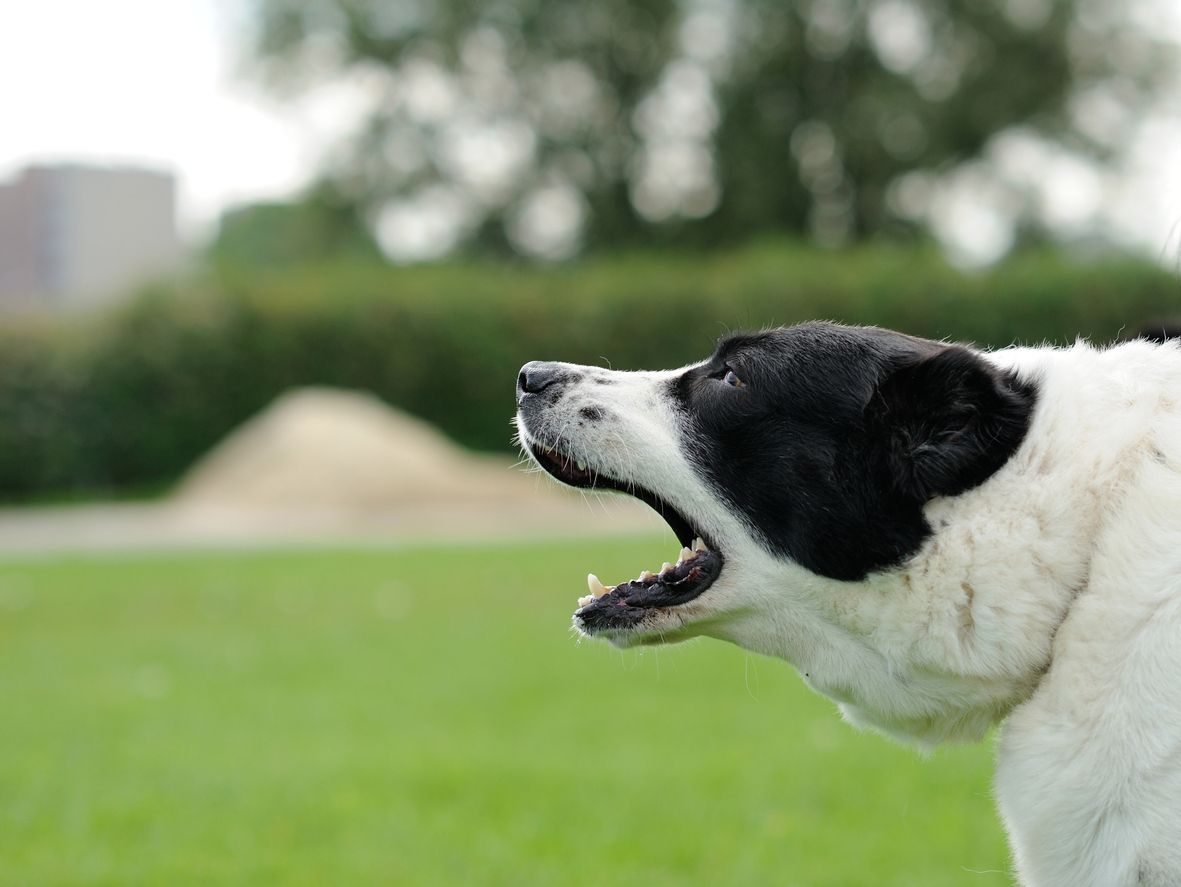
Allergies are common in dogs, and when uncomfortable symptoms, like itchy skin, appear, owners naturally want to find a cure for them. An allergic response occurs when the immune system overreacts to a normally harmless substance in a dog’s environment or food, causing widespread inflammation.
Allergic skin disease is different from acute allergic reactions (such as hives, facial swelling, or anaphylaxis) that can happen suddenly after things like insect stings, vaccinations, medications, or blood transfusions. The focus of this article is on the chronic, ongoing condition of allergic dermatitis, which typically needs to be managed throughout a dog’s life.
While allergies can’t be cured, symptoms can be minimized. Talking with a veterinarian about your dog’s allergies can help you understand:
- If allergies in dogs can be cured
- Methods used to treat allergies in dogs
- How allergy shots work and if they are curative
Allergy shots (i.e., allergen-specific immunotherapy) are the closest thing to a cure for environmental allergies. Allergen-specific immunotherapy can be a long process, and the shots or drops can take a year or longer to show their full benefit. While the cost and commitment vary, many pet owners find the results worthwhile, as studies show that with immunotherapy, about half of dogs experience significant, long-term improvement in their allergy symptoms.
A virtual veterinary appointment is a convenient way to discuss with a vet whether allergy shots or other treatments may benefit your dog and to learn about potential next steps, such as symptom-relief medication or a referral to a dermatologist for allergy testing.
What is your dog allergic to?
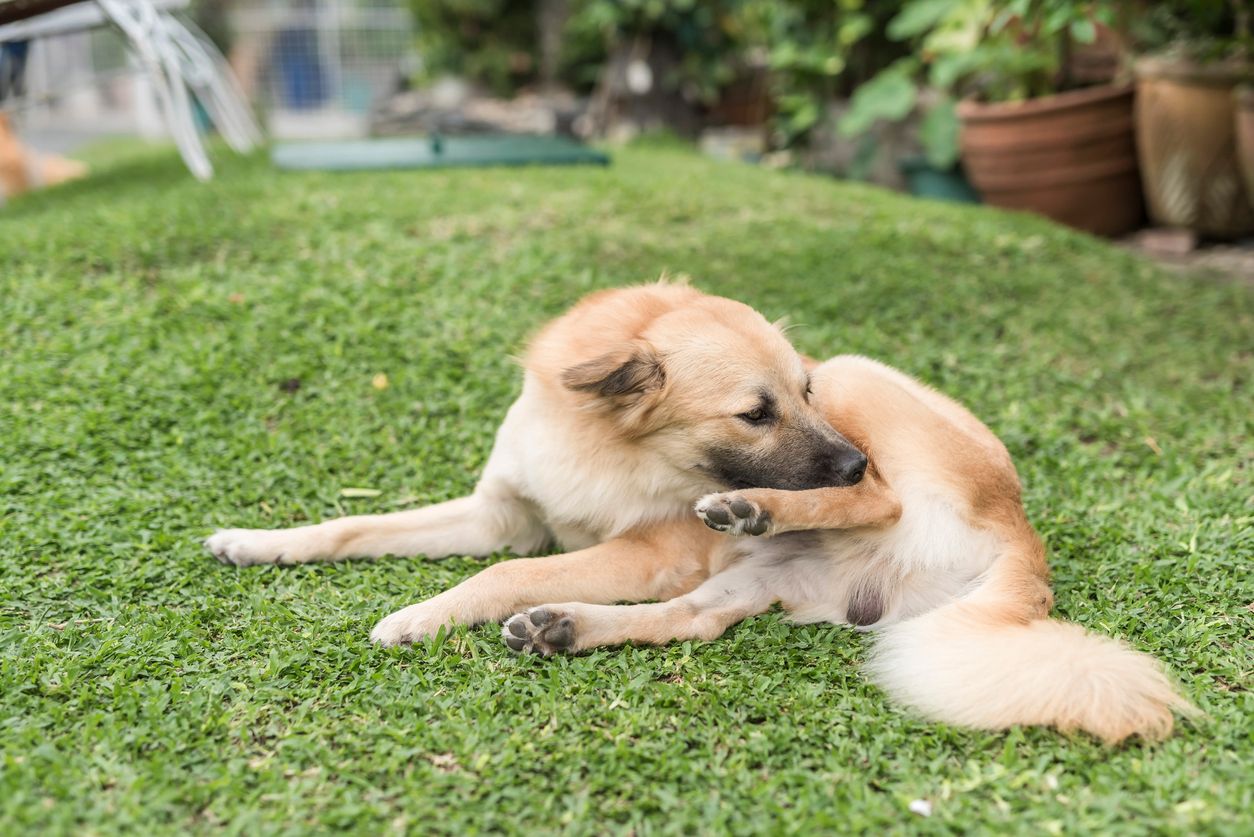
One of the first things pet owners wonder when they learn their dog has allergies is what’s causing them. While that’s a natural question, it usually isn’t necessary to identify the exact allergen before beginning treatment. In most cases, you can help your dog feel better before the specific trigger is known.
Regardless of the underlying trigger(s), first steps typically include starting a reliable flea prevention product and prescribing medication to relieve itching. This approach minimizes exposure to the most common canine allergen (flea saliva) while also providing much-needed comfort. In some cases, a dog’s symptoms improve significantly once broad-spectrum parasite prevention is started.
Environmental allergens, like pollen, mold, and dust, are difficult or impossible to avoid, so pinpointing the specific allergen often isn’t helpful. No matter the trigger, many dogs experience relief with prescription allergy medications such as Apoquel.
Veterinarians usually only recommend further testing to identify a dog’s specific allergies if the dog doesn’t respond well to standard treatments. That’s because allergy testing can be complex and time-consuming. Confirming a food allergy requires a strict elimination diet, which can take several weeks and must be followed carefully to get reliable results. For environmental allergies, skin testing — which usually requires referral to a veterinary dermatologist — is the only accurate way to pinpoint specific triggers.
Can a dog’s food or seasonal allergies go away?
Food and seasonal allergies in dogs don’t usually go away. Most therapies focus on avoiding the allergen and managing symptoms, but they don’t stop the immune system from overreacting in the first place.
Even though the allergy itself doesn’t usually go away, symptoms typically improve when the dog isn’t exposed to an allergen(s). For example, a dog with an allergy to grass pollen may seem completely normal in winter, or a food-allergic dog may improve several weeks after the trigger ingredient is removed from their diet; however, this doesn’t mean the allergy is cured, and symptoms are expected to return whenever the dog is re-exposed unless treatment is ongoing.
“Allergies in dogs rarely go away completely, but their symptoms can usually be managed effectively,” explains Dr. Jo Myers, a veterinarian on the Vetster platform. “The goal of treatment is to keep itching and inflammation under control and prevent secondary problems, like skin or ear infections. With consistent care and the right treatment plan, most allergic dogs can stay comfortable over the long term.”
Management of allergy symptoms in dogs
Treating allergies in dogs focuses on two main goals: reducing exposure to allergens and controlling the body’s overactive immune response. Though some treatments can come close to a cure, allergies are lifelong conditions, so the focus of most approaches is on symptom management and quality of life.
Avoidance and environmental control
Preventing exposure to allergens can dramatically improve a dog’s symptoms and, in some cases, make the allergy seem to disappear entirely. For example, using a veterinarian-recommended flea control product, such as Simparica or Simparica Trio, helps take flea saliva, one of the most common allergens, out of the picture. Flea prevention is recommended for nearly all allergic dogs, even when fleas aren’t visible, because:
- Most allergic dogs react to multiple allergens
- Removing even one allergen can significantly reduce overall itching and inflammation
Elimination diets are another form of avoidance therapy. By removing common ingredients that can cause food allergies, veterinarians can identify safe foods and help reduce flare-ups. These trials take time and must be done carefully, but they are often worthwhile when food allergies are suspected.
Medications to control symptoms
When completely avoiding allergens isn’t possible, as with pollen or dust, medications can help control itching and inflammation so your dog can stay comfortable and maintain quality of life.
- Anti-itch medications, such as Apoquel, work by blocking the signals that trigger itch and inflammation.
- Corticosteroids, like prednisone, are effective for short-term relief but are best reserved for flare-ups because prolonged use can have side effects.
- Antihistamines are sometimes suggested because they’re inexpensive, widely available, and generally safe when used as directed. However, studies show that antihistamines don’t work well for most dogs with allergic skin disease, so they’re rarely effective as a stand-alone treatment.
Your dog’s allergy management plan is a unique combination of prevention and symptom control to minimize discomfort and improve quality of life.
Allergy shots: The closest thing to a cure
Allergen-specific immunotherapy (ASIT), often called allergy shots or oral drops, is the most effective long-term treatment for environmental allergies in dogs. By gradually retraining the immune system to tolerate specific allergens, it can significantly reduce symptoms and, in some dogs, lessen or eliminate the need for other medications. While not guaranteed, immunotherapy is considered the closest thing in veterinary medicine to a cure for environmental allergies.
Allergy shots involve the use of serum specially made for the individual patient using small amounts of the triggering allergen. Dogs undergoing this therapy receive regular injections or oral drops with increasingly larger doses of the allergen. The goal is to get the body used to the allergen so the immune system doesn’t react as strongly in the future.
This process can take a year or longer, and pet owners may not see progress for several months. ASIT is the only treatment method that focuses on reducing a dog’s immune response to the allergen rather than simply suppressing symptoms. Approximately half of the dogs who undergo ASIT treatment respond well and have minimized allergy symptoms, often needing less medication and having fewer flare-ups. Some dogs may not have allergy symptoms at all after treatment.
Allergy shots are not available for every dog, and dogs must undergo allergy testing to identify the allergen they react to. This can involve blood testing, intradermal skin testing, or a food trial. Immunotherapy and allergy tests can also be cost-prohibitive to some owners, and not all dogs are good candidates. Immunotherapy doesn’t work for every dog, and some dogs don’t show improvement even after a full trial. Most dogs still need additional allergy medications while receiving allergy shots or oral drops.
Because cost and availability varies between individuals, talking to your vet is the best way to learn more about ASIT for your dog.
How an online vet can help with your dog’s allergies
One of the best things you can do to help your allergic dog is to stay informed. Understanding what to expect and the purpose of each part of the treatment plan makes it easier to effectively manage symptoms and support your dog’s lasting comfort. Online veterinarians are an excellent resource for information about allergies, available treatments, and how allergy shots work.
Allergic skin disease is a chronic condition that can’t be cured, and ongoing treatments need frequent follow-up, monitoring, trial and error, and adjustments, which makes virtual care a convenient option. Treating canine allergies usually requires multimodal management, which means several different strategies are used together to maintain your dog’s comfort, so at-home coaching about everything from medicated shampoos to how to give allergy shots can be especially helpful. Ear issues, fungal or bacterial infections, and hot spots are common, so it’s helpful to have access to a virtual vet to help you decide when in-person care may be best.
In some locations, virtual vets can diagnose dog allergies and prescribe relief-providing medications based solely on a virtual visit. To learn what veterinary services you can receive based on your location, check the Veterinary Virtual Care Association map.
FAQ - Cure for allergies in dogs
Can a dog’s allergies go away?
Environmental and food allergies in dogs are almost always chronic, lifelong conditions that can’t be cured. Various management methods, such as allergy medicines, steroids, a special diet, and dietary supplements, are used to improve quality of life by minimizing allergy symptoms and treating flare-ups. Allergy immunotherapy shots or oral drops are the closest thing to an allergy cure for dogs, since they work by trying to retrain the immune system not to overreact to allergens rather than simply suppressing the symptoms.
How can I help my dog’s allergies?
Talking to a veterinarian is the best step if your dog shows signs of allergic dermatitis or skin allergies. Managing allergies can be complex and often requires several different treatments to control itching and prevent flare-ups. A complete plan may include prescription allergy medications, short courses of steroids, flea prevention, supplements that support skin health, and medicated shampoos or other topical care. Because dogs with allergies are prone to secondary skin and ear infections, these must also be treated for lasting relief. Addressing both the underlying allergy and any infections gives the best chance of keeping your dog comfortable and their symptoms under control.
Is there a cure for dog allergies?
Canine allergies are almost always a chronic, lifelong condition that can’t be cured. Immunotherapy (allergy shots or oral drops) has the potential to minimize allergy symptoms in dogs, sometimes even getting rid of them completely, making them the closest thing to a cure. The treatment process can take over a year, and though most dogs show some improvement, it’s not guaranteed to work. Talk to a veterinarian about whether your dog may benefit from this type of allergy treatment.
Disclaimer: This article, its content, and its related references do not constitute veterinary advice and should not be considered a substitute for veterinary care. If your pet is showing any symptoms that could indicate a medical emergency, please seek immediate emergency care.