Ear infection or allergies? How to tell the difference in dogs



Itchy, irritated ears can be frustrating for both you and your dog, so it is understandable to want to find an immediate answer as to the cause. Ear infections and allergies in dogs share some of the same symptoms, so it can be confusing if you’re trying to tell the difference based on symptoms alone. Ear infections and allergies can also occur at the same time, and a dog with recurring ear infections likely has underlying allergies.
Ear infections are caused by microorganisms that live in the ear, like yeast or bacteria. Allergies are caused by an immune reaction to a foreign substance the body views as a threat, such as pollen, food, or dust mites. Even though the words “infection” and “inflammation” sound similar, they’re not the same. An infection is just one example of something that can cause inflammation.
While an ear infection can usually be diagnosed by a single test, like examining a sample taken from the ear under a microscope, allergies do not show up on any single test. Because of this, vets often conclude that allergies are the underlying cause when there is no sign of disease-causing organisms under the microscope. Working with a veterinarian can help determine the source of your dog’s ear irritation.
Why ear irritation has many causes
Irritation of the ear is not a diagnosis, but a sign that there’s something wrong. The ear canal is delicate, and irritation typically appears as redness, itchiness, or swelling, regardless of the underlying cause. A thorough assessment by a vet is recommended to identify potential causes of ear inflammation, such as:
- Bacterial or yeast infections
- A foreign object or injury
- Allergies
- Parasites
- Tumors or growths in the ear canal
Irritation of the ear can be triggered by multiple factors at the same time. Infections are more likely to cause odor, discharge, and discomfort, but the early stages of an infection can look similar to allergy-related inflammation.
Symptoms like redness, itching, and headshaking cannot tell us the root cause on their own, so veterinarians often recommend testing for an ear infection rather than guessing. Identifying the underlying reason often requires a veterinary exam, and in many cases, diagnostic testing.
Can allergies cause ear infections?
Yes, allergies are a common predisposing factor for ear infections in dogs. Let’s take a closer look at that relationship.
Allergies cause the skin that lines the ear canal to become inflamed and itchy. This creates better conditions for bacteria and yeast on the surface of the skin to overgrow. This makes the ears even itchier, and persistent scratching of the ears can damage the skin in and around the ear. Once the infection sets in, the skin lining the ear gets even more swollen and inflamed, and there may also be discharge. This traps heat and moisture, which makes the infection even worse.
“Healthy ears are much better at preventing the overgrowth of disease-causing bacteria and yeast,” says Dr. Jo Myers, a Vetster veterinarian. “So, if a dog’s ear infections seem to come right back after treatment, allergies may be the reason why. Allergies need to be addressed and managed to help prevent recurring ear infections.”
Ear symptoms can have more than one cause
Allergies and ear infections can look very similar because both cause inflammation inside the ear canal. Inflammation is the body’s response to irritation, and it produces a predictable set of visible and behavioral changes. The following symptoms are all common indicators of ear inflammation in dogs, regardless of whether the underlying cause is allergies, infection, or something else:
- Redness on the ear flap or in the ear canal
- Scratching their ears frequently
- Headshaking
- Odor originating from the ears
- Excessive wax production
- Discomfort or sensitivity when the ears are touched
- Rubbing of the ears on the ground or on furniture
Learn more about ear concerns in dogs.
The relationship between allergies and infections
Allergies in dogs often cause inflammation, which makes the ears more vulnerable to an infection. Allergies also can make the ears itchy and weaken the skin barrier. This cycle of inflammation makes ear infections difficult to completely eliminate when the underlying allergic inflammation isn’t addressed. When a dog’s allergies go undiagnosed or untreated, it often seems like their ear infections come back within a few weeks of stopping treatment. This can be very frustrating, so working with a veterinarian is the best way to address the problem fully and keep your dog comfortable.
How diagnosis works
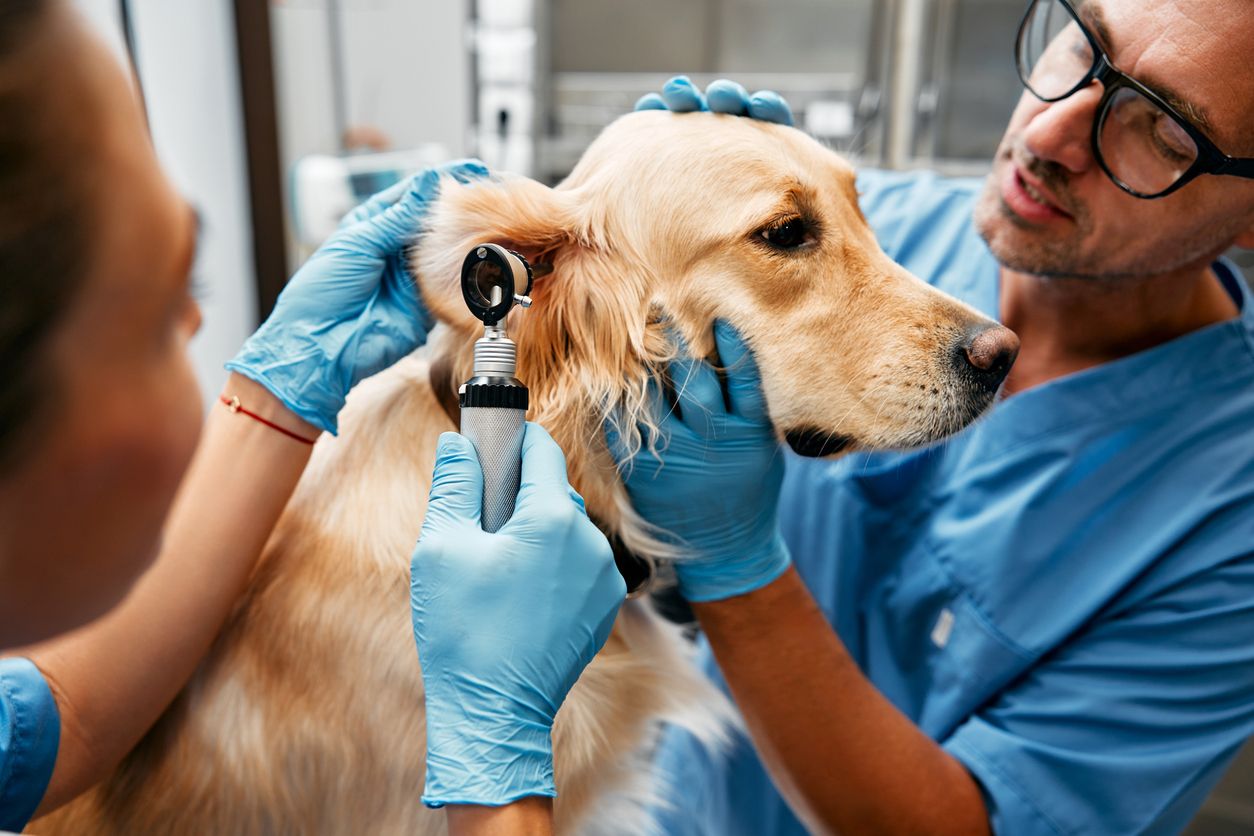
A veterinarian usually starts by examining the outer parts of a dog's ear that are easy to see. As Dr. Myers notes, “It’s important to compare one ear to the other and determine if both are affected.” To examine deeper into the ear canal and eardrum, a vet can use a lighted magnifying instrument (otoscope) to visualize these parts of the ear. By examining the ear closely, the vet can evaluate the full extent of the problem and determine whether there are other causes of irritation in addition to an infection or allergy, such as ear parasites or an ear tumor.
Otoscopic examination also allows the vet to see the eardrum, or tympanum, and determine if it is intact or not. A healthy tympanum creates a barrier between the outer ear and the sensitive deeper structures, and if it is damaged, material can pass into the middle and inner ear where it can cause permanent hearing loss. Evaluating the eardrum is an important safety step since ear flushes, medications, and even plain saline have the potential to cause harm if they enter the deeper structures in the ear.
Types of ear tests for dogs
Ear infections may be diagnosed by identifying the disease-causing organisms that are present through either an:
- Ear cytology test, where a sample of earwax or discharge is examined under a microscope.
- Culture and sensitivity test, where the sample is also processed to identify which specific species of bacteria are present and determine which antibiotic is going to work.
If a large number of disease-causing yeast or bacteria are present, that means there’s an infection.
Diagnosing allergies in dogs
Diagnosing allergies isn’t as straightforward. It’s important to understand that allergy tests don’t tell you if a dog has allergies or not. Instead, allergy tests are used mainly to identify specific allergy triggers (allergens). Allergies are usually suspected in dogs based on a combination of methods, including:
- Physical examination
- Ear cytology test
- Culture and sensitivity test
- Dietary elimination trial for food allergies
- Ruling out other potential causes of ear inflammation that are easier to see
- Improvement following treatment for allergies
“Many pet owners assume that the most important thing to figure out first when managing allergies is identifying exactly what their dog is allergic to,” says Dr. Myers. “While that can be helpful in some cases, it is not usually the first priority. The initial focus is typically on controlling inflammation and keeping the dog comfortable.”
Identifying specific triggers is most often reserved for dogs that do not respond well to initial treatment, have severe or persistent symptoms, or when allergen-specific immunotherapy is being considered. If a food allergy is suspected, a carefully conducted dietary elimination trial is necessary for diagnosis, and it must be followed strictly to produce accurate results.
Common first steps for relief
Ear infections and allergies can be frustrating for you and your pet. Giving your dog quick relief from irritation or itchiness is a priority. A veterinarian can customize a plan to soothe your dog’s specific condition. Typical first steps include:
- Ear cleaning
- Topical ointments
- Antibiotic medication
- Antifungal medication
- Anti-inflammatories
- Anti-itch medication
- Skin support supplements
The most important consideration when trying to get relief for your pet is to choose something that’s safe and effective. Though it might seem like over-the-counter treatments and home remedies are quicker, easier, and less expensive to access, they are rarely sufficient for treating ear infections, and may even make things worse. It is safest to seek relief for your dog’s symptoms through the advice of a veterinarian.
Types of treatments for ear infections and allergies in dogs
Sometimes treatments done without the guidance of a veterinarian, like ear cleaning, can further irritate the ear, contribute to new problems, or even damage your dog’s hearing. Here are a few key considerations when it comes to treatments for your dog’s ear infections and allergies:
- Cotton swabs: A dog’s ear canal is very delicate. Cotton swabs should not be inserted into your dog’s ear canal,as they could damage the inside of the ear.
- Ear cleaning: Clean your dog’s ears only if directed to do so by a veterinarian. Overcleaning of your dog’s ear, or cleaning with the wrong cleanser, can further irritate the ear.
- Topical ear medications: These include anti-inflammatory agents to reduce itch, along with antibiotics and antifungals to kill disease-causing microorganisms. To fully eliminate an infection, it’s important to apply these medications as directed and for the specified duration.
- Other medications and treatments: These are best used with veterinary guidance.
Professional veterinary medical care is the most reliable way to examine and assess your dog’s ear fully and to get recommended treatments that can be safely used to alleviate your dog’s symptoms.
If your dog has a diagnosed food allergy, follow the advice from your veterinarian closely regarding foods to eliminate from your dog’s diet.
When to see a vet
Red, itchy, smelly, or irritated ears are not normal in dogs and can be uncomfortable for them. Getting relief for your dog with the help of a veterinarian should be done at the first signs of a problem, especially since symptoms often worsen over time.
Signs that veterinary care is needed include:
- Persistent redness, odor, discharge, or headshaking
- Signs of pain when the ear is touched
- Symptoms that last more than a day or two
- Recurring episodes of ear problems
- Any neurological signs, like a head tilt or loss of balance
Since different ear conditions produce similar symptoms, trying to identify the cause based on symptoms alone is not possible. Assessment by a veterinarian can help determine the cause of the ear irritation, with diagnostic testing if necessary. When allergies are responsible for a dog’s recurrent ear infections, additional treatment just for the allergies is usually necessary to break the cycle.
A virtual appointment with a Vetster veterinarian can help provide an early assessment of your dog’s symptoms, support ongoing allergy management, and guide you if in-person or diagnostic testing is needed.
FAQ
What do dogs' ears look like with allergies?
Typical signs of allergic otitis (inflammation of the ears) are redness, irritation, and inflammation of the skin that lines the inside of the ear and the ear canal. A dog with allergies may also persistently scratch their ears or shake their head. Since signs of allergies are similar to signs of ear infections, the symptoms alone do not provide a basis for diagnosis. Examination by a veterinarian and often testing of the ear is needed to confirm the root cause of the symptoms.
Can allergies turn into an ear infection?
Allergies can make a dog’s ear more vulnerable to infection. Allergies in dogs often cause inflammation of the skin lining the ear and this leads to conditions that contribute to the overgrowth of disease-causing bacteria and yeast. Though ear infections and allergies in dogs can happen at the same time, they are diagnosed and treated as separate conditions.
Can Vetster help with my dog’s allergies or ear infection?
Yes, Vetster veterinarians can virtually assess your dog’s ears and skin for visible signs of an ear infection or allergies. By discussing your dog’s history and with a thorough evaluation, a Vetster veterinarian can help you get a better understanding of what may be going on and provide guidance on the best next steps.
Since allergies are a long-term condition, and symptoms often fluctuate, a Vetster veterinarian can create a long-term management plan for recurring ear issues and help adjust existing allergy plans if symptoms flare up. Virtual care is often well suited for monitoring, follow-ups, and making adjustments to the treatment plan.
However, a virtual vet is unable to assess your dog’s inner ear canal or eardrum virtually, or to confirm the presence of bacteria or yeast in the ears through diagnostic testing. In cases where this is necessary, in-person veterinary care may be recommended.
In some cases, a Vetster veterinarian may be able to prescribe medication to help treat your dog’s condition. However, prescribing decisions are always made at the veterinarian’s professional discretion based on what is medically appropriate and legally permitted. By law, veterinarians must establish a valid Veterinarian-Client-Patient Relationship (VCPR) before prescribing medication. In certain states and provinces, a VCPR can be established through a virtual appointment, while in others an in-person examination is required first. Regulations vary by location.
Can I use a homemade ear cleanser?
Home treatments are not often sufficient for treating ear infections, since they rarely succeed in eliminating bacteria or yeast from the ears. If the ear canal or eardrum is damaged, homemade treatments can cause further damage to the ear. It is safest to seek veterinary guidance to give your pet relief from irritated ears.
What food allergies can cause ear infections in dogs?
A dog can be allergic to a variety of things at the same time, including food ingredients. If a dog eats a food they are allergic to, this can result in allergy symptoms and indirectly contribute to an ear infection. Common food allergy triggers include chicken, beef, and dairy. Allergies in dogs are more commonly caused by things in the environment like pollen, dust mites, or fleas, not food. The only way to confirm if your dog is allergic to a specific food ingredient is through a dietary elimination trial. A veterinarian is the best source of advice on how to conduct a dietary elimination trial.
The presence of an ear infection alone does not confirm that it is related to allergies. A veterinary consultation can give your dog relief from irritation and help to rule out possible causes of an ear infection or allergies.