Eye allergies vs. eye infections in dogs: Which is it?

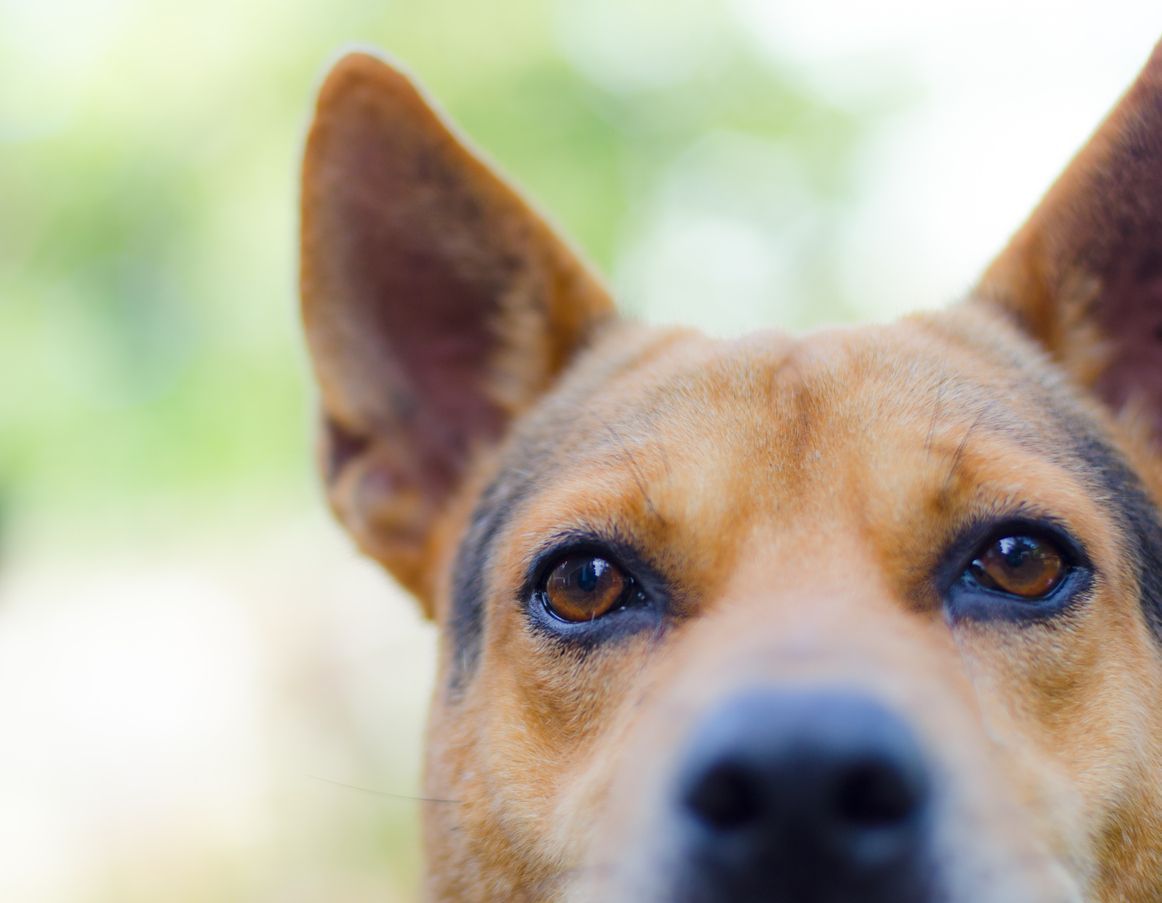
- Eye allergies and eye infections in dogs share similar clinical signs, like redness and discharge. This makes it difficult to pinpoint the cause.
- Itchy skin is the most common symptom of allergies in dogs. Rubbing or pawing at the eyes and inflammation caused by allergies can disrupt the eye’s natural defenses, making a dog more prone to secondary eye infections. It’s fairly common for dogs with eye allergies to develop an infection as a result.
- Consulting a vet is the best way to find out what’s behind your dog’s symptoms and to get them fast relief.

Many people get “allergy eyes” during pollen season, suffering from red, itchy, and watery eyes until the season passes. Dogs can have similar symptoms when their eyes react to environmental allergens, a condition known as allergic conjunctivitis, or more commonly, dog eye allergies. But because signs like redness, swelling, squinting, and discharge can also occur with infections and other eye problems, it can be difficult to tell what’s causing your dog’s discomfort. Working with a veterinarian is the best way to understand the reason for your dog’s symptoms, getting them quick relief and avoiding complications. It’s also important for dog owners to know:
- The similarities and differences between eye allergies and eye infections
- Can a dog have allergies and an eye infection at the same time
- How veterinarians diagnose eye allergies and eye infections in dogs
- How to prevent dog eye allergies and eye infections
- How an online vet can help
Red, runny, irritated eyes are especially common in brachycephalic breeds, like French bulldogs and pugs, due to eyelid and eyelash disorders. Dry eye, the presence of irritants (such as smoke), and eye injuries are also frequent causes of conjunctivitis.
Allergies can’t always be prevented, but working with a vet can help minimize flare-ups and protect the eyes from inflammation and infection. Consistent allergy control, routine vaccinations, and parasite prevention all play important roles in keeping your dog’s eyes healthy. If you’re unsure whether your dog’s symptoms need prompt in-person care, an online veterinarian can help by reviewing your dog's symptoms and history and offering professional advice on the best next steps. Virtual vet appointments are also a great resource for ongoing allergy management.
Similarities and differences between eye allergies and eye infections
Eye allergies and eye infections in dogs can have similar clinical signs, making it difficult to know which is which. Both eye infections and eye allergies can cause:
- Red or bloodshot eyes
- Eye discharge
- Swollen, red tissue surrounding the white of the eye
- Red, inflamed skin around the eyes
- Squinting
- Swollen eyelids
- Elevated third eyelid
- Rubbing the eyes/face on furniture/carpet or pawing at the eyes
Swollen, red tissue surrounding the white of the eye and lining the insides of the lids is the defining characteristic of conjunctivitis. Although “pink eye” in people is most commonly caused by a viral infection, conjunctivitis simply means the inflammation of the transparent tissue covering the eyeball and lining the eyelids. It doesn’t specify why it’s inflamed. This is why the medical term for “allergy eyes” in dogs is allergic conjunctivitis.
Allergic conjunctivitis
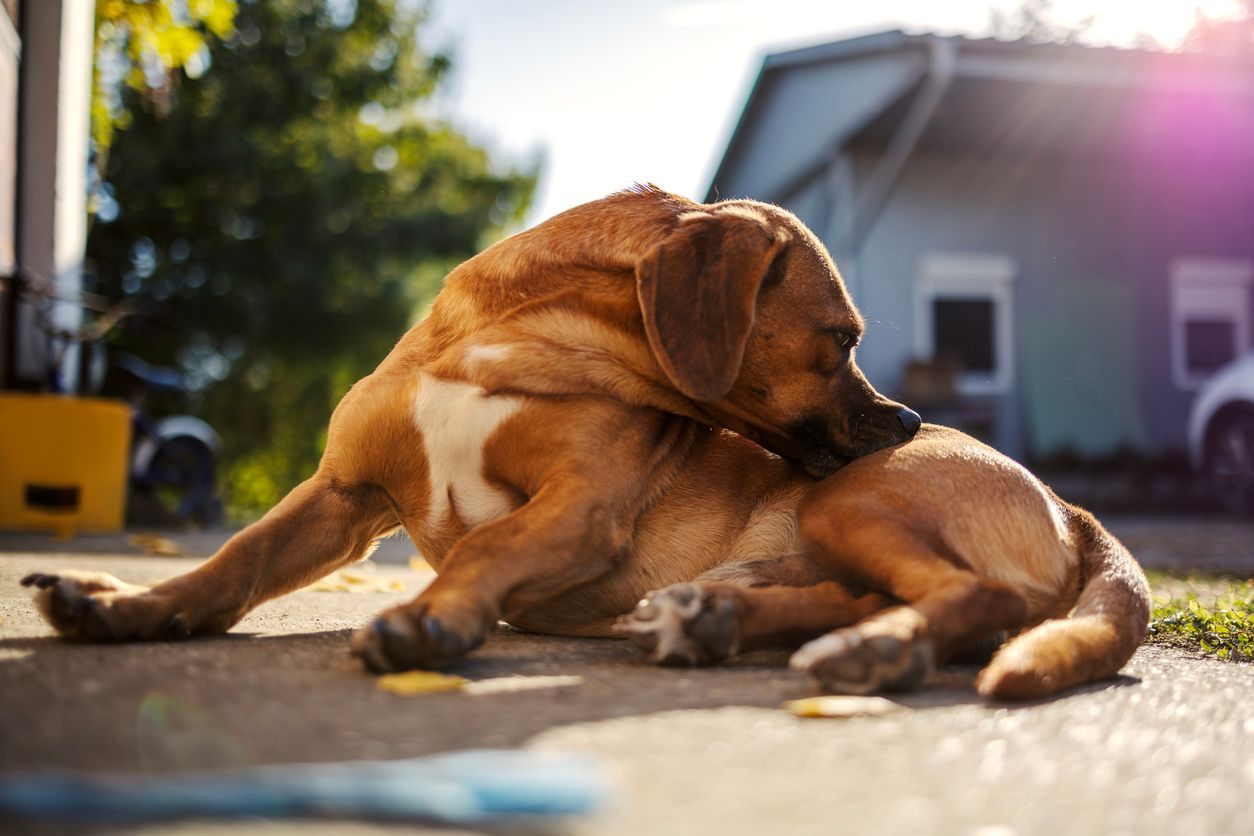
Allergies are not a common cause of conjunctivitis in dogs. The most common allergy symptom in dogs is itchy skin, which can look like:
- Excessive scratching, licking, or biting at the skin
- Biting or licking at the paws
- Rolling on the ground more often than usual
- Skin that’s red, rashy, inflamed, or bumpy
- Hair loss
- Anal scooting
Hay fever-like symptoms, such as conjunctivitis, sneezing, eye discharge, and nasal discharge, are less common in allergic dogs.
Dogs with eye allergies will likely have skin symptoms as well; eye symptoms without itchy skin are more likely due to a different underlying health issue.
Eye infections
Dogs develop eye infections when germs, such as bacteria or viruses, get into the eye or surrounding tissues and start to multiply, causing irritation, redness, and discharge. Fungal infections are also possible but much less common. Eye infections can be categorized based on what part of the eye is affected:
- Conjunctivitis: Inflammation of the conjunctival tissue lining the eyeball and inside of the lid
- Blepharitis: Inflammation of the eyelid
- Uveitis: Inflammation of the interior structures of the eye
- Keratitis: Inflammation of the cornea
Other common causes of red, irritated, runny eyes in dogs
There are other eye issues that can cause itchiness, irritation, redness, or discharge in dogs, including:
- Eyelid or eyelash abnormalities
- Irritation from a foreign material, such as smoke or grass seeds
- Dry eye (keratoconjunctivitis sicca) due to reduced tear production
- Injury to the eye or surrounding tissue
Eyelid and eyelash disorders or abnormalities are especially common in the increasingly popular brachycephalic breeds like French bulldogs and pugs.
Can a dog have allergies and an eye infection at the same time?

Dogs can have allergic conjunctivitis and an eye infection at the same time. Inflammation as well as pawing or rubbing due to discomfort or itchiness makes the eye more vulnerable to infectious agents. As a result, secondary eye infections are common in dogs with eye allergy symptoms.
It’s best to seek veterinary care when your dog has eye symptoms, even if they’re just from allergies. One of the primary goals of allergy management is to keep symptoms under control so that secondary infections, including eye infections, don’t occur.
How veterinarians diagnose eye allergies and eye infections in dogs
An eye examination determines if a dog’s symptoms are caused by allergic conjunctivitis, an eye infection, or both. An eye exam may include:
- Examining the eyes with a light and a magnifying lens
- Fluorescein stain to check for corneal ulcers and scratches
- Schirmer tear test to measure tear production
- Measuring intraocular pressure with a tonometer (for glaucoma)
Along with an eye exam, additional diagnostic tests may be recommended:
- Physical exam of the rest of the body
- Blood testing, including tests for infectious diseases
- Ultrasound
- Cytology
- Biopsy
- Allergy testing
“It is not always straightforward, even for a veterinarian, to tell whether a dog’s eye problem is allergic, infectious, or related to another underlying condition,” explains Dr. Jo Myers, a veterinarian on the Vetster platform. The goal of an eye exam is to rule in or out all possible causes, especially those that require a very different type of treatment, such as surgery for eyelid or eyelash disorders.
Sometimes there are clues that point toward one cause or another: allergic conjunctivitis usually affects both eyes, whereas problems like an eyelid abnormality, corneal injury, or foreign object often cause redness in only one eye; bacterial infections most often begin in one eye but may spread to the other; and allergies are more likely when symptoms appear seasonally or tend to come and go without treatment.
Because many of these conditions can overlap, vets may suggest a treatment that helps more than one possible cause. It’s common to start with an eye drop that contains both an anti-inflammatory medication and an antibiotic, then to reassess after seeing how the eyes respond. Follow-up exams help determine whether ongoing allergy management, other medication, or surgical correction of an eyelid or eyelash issue will be needed to prevent future flare-ups.
How to prevent dog eye allergies and eye infections
Eye inflammation and eye infections in dogs often develop when the eyes’ normal protective barriers are disrupted by allergies, irritation, or other medical conditions. While dog eye allergies can’t always be prevented, maintaining overall eye health and addressing other underlying health issues can reduce flare-ups and the risk of infection. You can help reduce your dog’s risk with:
- Ongoing allergy management
- Good eye hygiene and irritant control
- Prompt care for other eye issues
- Routine pet wellness exams and monitoring
Ongoing allergy management helps to prevent flare-ups and is important for overall health and quality of life. Identifying and managing environmental triggers, such as pollen, dust, or smoke, can help limit allergic flare-ups. A long-term allergy management plan developed with a veterinarian may include:
- Medications or environmental adjustments that support comfort and reduce inflammation
- Reducing household allergens and maintaining good air quality
- Avoiding exposure to irritants like wind, smoke, or strong cleaning agents
When irritation occurs, keeping the area around the eyes clean can help minimize irritation from discharge or debris. Saline rinses or gentle cleaning products may be recommended in some cases to help flush away allergens or irritants.
Many cases of recurrent conjunctivitis in dogs are linked to health issues other than allergies. Identifying and managing these effectively helps prevent chronic inflammation and infection. For instance, ongoing treatment for dry eye is essential to maintaining adequate tear production and lubrication, and eyelid and eyelash disorders are being diagnosed more often as predisposed breeds become increasingly popular. These conditions, particularly common in short-nosed, brachycephalic breeds, may require surgical correction to prevent ongoing irritation.
Routine vet care helps identify recurring or progressive conditions early. In addition, maintaining up-to-date parasite prevention and vaccinations may help lower the risk of infections related to systemic or contagious diseases. Tracking when flare-ups occur, such as during certain seasons, can help refine long-term management strategies.
While allergic conjunctivitis and eye infections can’t always be prevented, reducing irritation, following allergy treatment recommendations, and addressing other eye disorders helps protect your dog’s long-term eye health.
How an online vet can help
An online veterinarian is a great resource for long-term allergy management in dogs. Virtual and in-person vets can work closely together to keep track of your dog’s allergy symptoms and their response to treatment. In addition, a virtual appointment may be more convenient, allowing you to communicate with a vet more easily. If you’re unsure whether your dog’s symptoms warrant a prompt in-person visit, a virtual veterinary professional can help by assessing symptoms and offering you professional advice on next steps.
FAQ - The difference between eye allergies and eye infections in dogs
Does my dog have allergies or an eye infection?
Dog eye allergies and eye infections share similar symptoms. Dogs with allergies will usually have skin symptoms in addition to runny, itchy, pink eyes. Dogs with eye allergies are at risk for secondary infections, so it’s possible for them to have both. However, there are many other eye conditions that have symptoms similar to those seen with allergies and infections, so the best way to determine the cause of your dog’s eye symptoms is to seek veterinary care.
Can dog eye allergies turn into an infection?
Dog eye allergies often cause dogs to paw or rub at their eyes, making them prone to infection. It’s important to manage seasonal allergies to prevent secondary issues, such as eye infections, hot spots, and hair loss.
What can be mistaken for eye allergies in dogs?
Many eye conditions share symptoms similar to those seen with dog eye allergies, such as eye infections, eyelid or eyelash disorders, dry eye, irritants in the eye, or injuries to the eye or surrounding tissue. The best way to know what’s wrong with your dog’s eyes is to visit a veterinarian for an eye exam.
Disclaimer: This article, its content, and its related references do not constitute veterinary advice and should not be considered a substitute for veterinary care. If your pet is showing any symptoms that could indicate a medical emergency, please seek immediate emergency care.