Get expert nutrition advice for your dog online
Your dog's diet matters. From weight management to diet questions, speak to a virtual vet to stay on top of your pet’s nutritional needs.

-
-
-
-
How Vetster helps pet parents manage their dog’s diet and nutrition


Common diet and nutrition concerns in dogs

Excess weight is the most common nutrition-related health problem in dogs. Signs include ribs that are hard to feel and a waistline that’s hard to see. Common causes include overfeeding, too many treats, and too little exercise. Less often, weight gain is linked to hormonal conditions such as hypothyroidism or Cushing’s disease.
Weight loss can happen when a dog isn’t getting enough nutrients, or when an illness affects how their body digests and uses food. An inadequate diet or competing with other pets for food can be the cause, but many conditions, from intestinal parasites to cancer, can cause weight loss even when appetite seems normal. Gradual weight loss is easy to miss without regular weigh-ins. Losing more than 10% of normal body weight, or losing weight quickly, needs prompt veterinary attention.
Dogs may refuse food after a sudden diet change, if the food is unfamiliar or spoiled, or during stress like boarding, a move, or a new pet or family member. Mouth pain, such as a tooth abscess, can also make a dog walk away from their bowl. Picky eaters usually don’t lose weight, so appetite loss that leads to weight loss is more than pickiness. See a vet if your dog hasn’t eaten for more than two or three days, or if appetite loss comes with vomiting or diarrhea.
Eating something outside their regular diet, like table scraps or garbage, is the most common cause of vomiting in dogs, and mild cases usually resolve within 24 hours. Abrupt diet changes can also upset the stomach, so mix a new food in gradually with the old one. Some dogs have more sensitive stomachs, and food intolerances typically cause vomiting, diarrhea, or gas. Talk to a vet if vomiting lasts more than 24 hours or comes with other symptoms, and don’t fast your dog or change their diet without a vet’s advice.
Food allergies most commonly cause itchy skin, often on the face, paws, ears, or belly, along with paw licking, hot spots, and recurring skin infections. Some dogs also have digestive signs. The trigger is usually a protein your dog has eaten for months or years, and animal proteins are more common culprits than grains, so switching to grain-free food is unlikely to help. True food allergies are relatively uncommon, though, and blood, saliva, and hair tests aren’t reliable. A vet-guided elimination diet is the standard way to diagnose one.
A healthy dog’s coat should be smooth and shiny. Dullness, dryness, brittleness, extra oiliness, thinning, or patchy hair loss can signal poor coat condition. Nutritional deficiencies are one possible cause, along with allergies, obesity, hormonal conditions like hypothyroidism, stress, and not enough grooming. Seasonal shedding and graying with age are normal. When coat changes come with other signs, like dandruff, itching, weight changes, or increased thirst, a vet can look for an underlying condition, and treatment may include diet changes.
Make managing diet and nutrition issues easy with Vetster's on-demand vet care
-
 1
24/7 access to trusted vets
Connect with a trusted vet any time with Vetster. VetsterPlus members also get unlimited access to live messaging for quick answers to pet health questions.
-
 2
Book an appointment within minutes
Skip the wait. Choose a time that works for you and your dog and easily schedule a virtual visit in just a few clicks.
-
 3
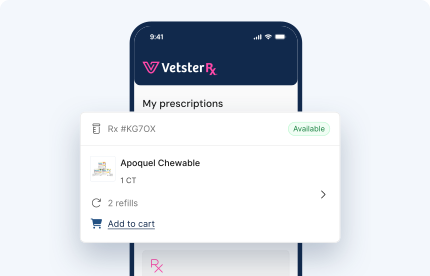
Easy online prescriptions and special diets with transparent pricing
If medication or therapeutic diet is prescribed for your pet, we’ll process it through VetsterRx and take care of all the details for you. You’ll see full pricing before checkout.
Vetster's online vet care makes managing diet and nutrition issues easy
24/7 access to trusted vets
Connect with a trusted vet any time with Vetster. Vetster Plus members also get unlimited access to live messaging for quick answers to pet health questions.

Book an appointment within minutes
Skip the wait. Choose a time that works for you and your dog and easily schedule a virtual visit in just a few clicks.

Easy online prescriptions with transparent pricing
If medication is prescribed for your dog, we’ll process it through VetsterRx and take care of all the details for you.* You’ll see full pricing before checkout.

Fast, reliable home delivery
VetsterRx ships your pet’s medication quickly — usually within two days.

Your guide to effective treatments for diet and nutrition concerns
Whether your dog needs short-term relief or long-term management, virtual care on Vetster connects you with licensed veterinarians who can guide you through a wide range of treatment options with transparent pricing and no hidden fees.
Because diet and nutrition needs range dramatically depending on the underlying issue, treatment plans vary widely in duration, complexity, and cost. Your veterinarian will assess your pet’s condition and recommend the most appropriate care for their specific needs. Here are some general examples of potential treatment costs for nutritional concerns.
-
Weight loss diets vary widely, with prescription diets starting at $70 per bag
-
A lifestage food may cost from $20–$120 per bag
-
A critical care diet like Hill's Prescription Diet a/d can range from $60–$90 per case of 24 cans
-
Weight loss treats may cost between $7–$25 per small bag
-
A therapeutic diet like for kidney disease varies in price from $45–$80 per small bag of dry kibble


Explore dog nutrition products
There are many types of special foods and other products that may be used to help manage diet and nutrition concerns for your dog. The right approach depends on your pet’s specific condition, medical history, and environment.

Hill's® Prescription Diet Dog Metabolic
-
Dogs -
Multiple options

Purina® Pro Plan® Veterinary FortiFlora Probiotic Dog Supplement
-
Dogs and puppies -
30 sachets

Hill's® Prescription Diet® a/d Urgent Care Adult Dog & Cat Food
-
Dogs and puppies -
24-pack

Blue Buffalo Health Bars Natural Pumpkin & Cinnamon Dog Treats
-
Dogs and puppies -
1-pound bag
This information is provided for general informational purposes only and is not a substitute for professional veterinary care. Always consult a licensed veterinarian before starting any medication, as treatment plans should always be tailored to your individual pet's needs.
Product availability, appropriateness, and legal access to prescription medications may vary based on your location and the nature of your pet’s health issue. In some locations, a valid VCPR must be established in person before prescription medications can be provided. The examples you may see here are not intended as medical advice or endorsements, and they may not be suitable for your pet.
FAQ
Vetster is an online veterinary platform that connects pet parents with licensed veterinary professionals through virtual appointments. You can speak with a veterinarian from home, get expert guidance about your dog's diet and nutrition, and access care when it is convenient for your schedule.
An online vet visit for dog diet and nutrition concerns starts with booking a virtual appointment through Vetster. During the consultation, a licensed veterinarian will review your dog's diet, health history, lifestyle, and nutritional needs before recommending a personalized care plan.
An online vet can help your dog lose weight or manage a special diet by providing individualized nutritional recommendations based on your pet's age, breed, health status, and goals. Your veterinarian may recommend feeding changes, weight management strategies, therapeutic diets, or ongoing monitoring when appropriate.
Online vets may prescribe medications or therapeutic diets for nutrition-related concerns when appropriate and legally permitted in your location. Your veterinarian will assess your dog's condition and discuss treatment options that support your pet's specific nutritional and medical needs.
Ordering medications or prescription diets through Vetster is straightforward once your veterinarian has made a recommendation. Prescriptions can be processed through VetsterRx where available, with transparent pricing shown before checkout, or you may choose to fill the prescription through a pharmacy of your choice.
The cost of treatment for a dog's diet and nutrition concerns depends on the underlying issue, your pet's health needs, and the recommended treatment plan. After evaluating your dog, a veterinarian can provide a personalized care plan, discuss expected costs, and help you choose options that fit your budget and your pet's long-term health goals.
A dog's diet or nutrition concern should be treated as an emergency if it is accompanied by serious symptoms such as seizures, weakness, collapse, difficulty breathing, a swollen or painful abdomen, or an inability to keep food or water down. If you are unsure whether your dog's condition requires urgent care, a virtual appointment can help determine whether emergency treatment is needed.