Dog diarrhea? Talk to a vet in minutes.
Book a virtual vet visit and get expert help managing your dog’s diarrhea and digestive issues.

-
-
-
-
Pet parents say it best: Vetster makes managing their dog’s diarrhea easy


What to know about dog diarrhea and treatment
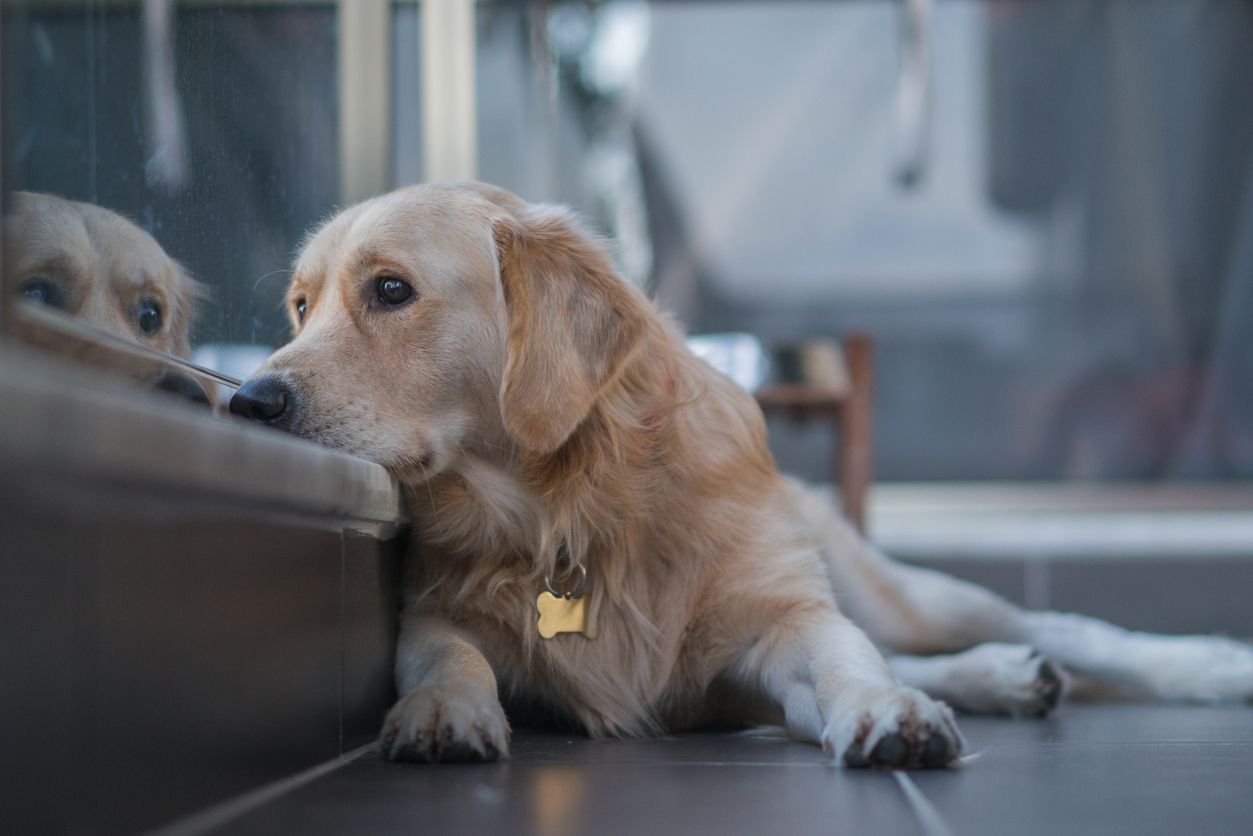
Mild diarrhea in an otherwise healthy dog often improves on its own within a few days. However, diarrhea can have many causes, so it's best to consult a veterinarian if other symptoms are present, such as lethargy, vomiting, or loss of appetite, if your dog has an underlying health condition, if your dog is a young puppy or a senior, if your dog's condition gets worse, or if you're concerned or want guidance on what to do next.
Most cases of dog diarrhea are not emergencies, but some symptoms require immediate veterinary care. Seek emergency care if your dog suddenly passes frequent, jelly-like blood clots, if there is a large amount of red blood in the stool, if the stool is black and tarry, if your dog has severe symptoms such as difficulty breathing, pale gums, or collapse, or if you think your dog may have eaten something toxic.
Mild diarrhea caused by eating something unusual often improves within 24–48 hours. If your dog is an otherwise healthy adult with no other symptoms, your vet may recommend monitoring them during this time. Contact a veterinarian if the diarrhea gets worse or doesn't improve after 24–48 hours.
Diarrhea that repeatedly occurs for two weeks or longer is considered chronic and should be evaluated by a veterinarian.
Talk to a veterinarian before fasting your dog or changing their diet, as the right approach depends on what's causing the diarrhea. Your vet may recommend withholding food for 12–24 hours, offering smaller, more frequent meals, keeping water available, feeding a bland diet, and giving probiotics to support healthy gut bacteria.
If a bland, low-fiber diet is appropriate, options may include plain boiled chicken or turkey breast, white rice, or boiled white fish. Some dogs may benefit from additional soluble fiber instead, such as plain canned pumpkin.
Don't give your dog human anti-diarrheal medications such as Imodium (loperamide) or Pepto-Bismol (bismuth subsalicylate) unless directed by a veterinarian.
What a vet recommends or prescribes depends on what's causing your dog's diarrhea. For mild cases without other symptoms, a veterinarian may recommend supportive care before diagnostic testing, such as a bland diet or other dietary changes, fasting, deworming medication, or probiotics.
For more severe or complicated diarrhea, your vet may recommend diagnostic tests based on your dog's symptoms and medical history. Once the cause is identified, treatment can be tailored to the underlying condition. Typical costs for medications, probiotics, protectants, and gastrointestinal diets are listed above.
How Vetster works for dog diarrhea concerns
-
 1
1Book a virtual appointment
Pick a time that works for you and connect with a licensed veterinarian online.
-
 2
2Get a personalized diarrhea treatment plan
Your veterinarian will provide the most effective diarrhea treatment options, tailored to your pet.
-
 3
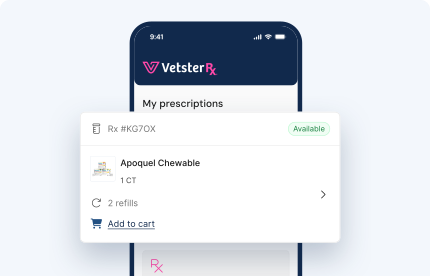
3Get your pet’s medication delivered
Easily order medication online with fast, convenient delivery through VetsterRx.
Get fast support for dog diarrhea issues without leaving home
24/7 access to trusted vets
Connect with a trusted vet any time with Vetster. Vetster Plus members also get unlimited access to live messaging for quick answers to pet health questions.

Book an appointment within minutes
Skip the wait. Choose a time that works for you and your dog and easily schedule a virtual visit in just a few clicks.

Easy online prescriptions with transparent pricing
If medication is prescribed for your pet, we’ll process it through VetsterRx and take care of all the details for you. You’ll see full pricing before checkout.

Fast, reliable home delivery
VetsterRx ships your pet’s medication quickly — usually within two days.

Your guide to effective treatment for your dog’s diarrhea
Whether your dog’s diarrhea is a short-term issue or part of a recurring problem, virtual care on Vetster connects you with licensed veterinarians who can help you find relief quickly and safely.
Because diarrhea can have many different causes — from dietary indiscretion to infection or chronic disease — treatment recommendations and costs can vary. Your vet will assess your pet’s symptoms and medical history to recommend the most appropriate next steps. Here are some general examples of potential treatment costs:
-
Anti-diarrheal medications typically cost $15–$50 per week
-
Probiotics often range in price from $15–$30 per box
-
Mucosal protectants usually cost $15–$30 per bottle
-
Prescription gastrointestinal diets range from $3–$5 per can or $30–$70 per bag
-
Antibiotics (if needed) typically vary from $15–$75 per week


Explore products for your dog’s diarrhea
There are many products that may be used to help manage diarrhea concerns for your dog. The right approach depends on your pet’s specific condition, medical history, and environment.
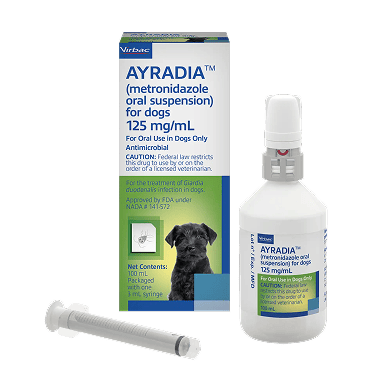
Ayradia™
-
Dogs and puppies -
30ml, 100ml
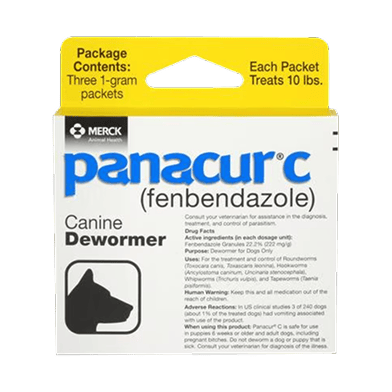
Panacur®
-
Dogs and puppies -
Multiple options
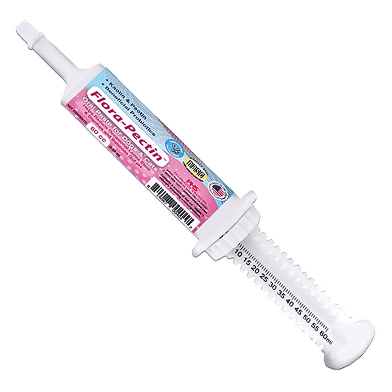
Flora-Pectin Oral Paste™
-
Dogs and puppies -
Multiple options
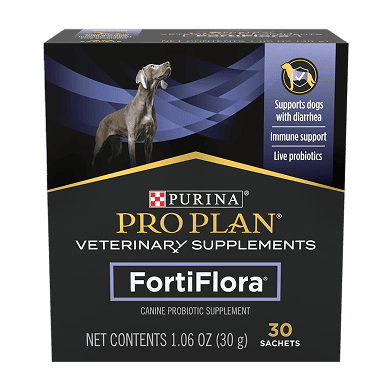
Purina® Pro Plan® Veterinary Supplements FortiFlora Chewable Dog Probiotic Supplement Tablets
-
Dogs and puppies - 30 satchets
This information is provided for general informational purposes only and is not a substitute for professional veterinary care. Always consult a licensed veterinarian before starting any medication, as treatment plans should always be tailored to your individual pet's needs.
Product availability, appropriateness, and legal access to prescription medications may vary based on your location and the nature of your pet’s health issue. In some locations, a valid VCPR must be established in person before prescription medications can be provided. The examples you may see here are not intended as medical advice or endorsements, and they may not be suitable for your pet.
FAQ
Vetster connects pet parents with licensed veterinarians through virtual appointments, making it easy to get professional guidance for dog diarrhea from home. Your veterinarian can assess your dog's symptoms, discuss possible causes, and recommend appropriate treatment options and next steps.
An online vet visit for dog diarrhea starts with booking a virtual appointment at a time that works for you. During the consultation, a licensed veterinarian will review your dog's symptoms and medical history and create a personalized treatment plan based on your pet's needs.
An online vet may prescribe medication for your dog's diarrhea when it is clinically appropriate and permitted by local regulations. Treatment recommendations depend on the suspected cause of the diarrhea, your dog's overall health, and the veterinarian's assessment during the appointment.
Getting diarrhea medication through Vetster is simple once a veterinarian has prescribed it. Prescriptions can be ordered through VetsterRx where available, with transparent pricing and home delivery, or filled at a pharmacy of your choice.
Emergency care may be needed when diarrhea is accompanied by severe symptoms such as bloody or black stool, repeated vomiting, weakness, collapse, dehydration, pale gums, or a bloated abdomen. A virtual appointment can help assess less urgent cases and guide you on whether in-person treatment is needed.
The cost of treatment for dog diarrhea varies depending on the underlying cause, your dog's size, and the type of treatment recommended. Common therapies such as anti-diarrheal medications, probiotics, gastrointestinal diets, and other supportive treatments can vary widely in cost, so a veterinary consultation is the best way to receive an accurate estimate for your pet's specific situation.