Understanding summer allergy triggers in cats


Key takeaways
- Knowing the underlying cause of seasonal allergies is not always necessary to start an allergy management plan or to keep your cat comfortable long-term.
- Summer allergies in cats are a lifelong condition, which also can affect cats who are strictly indoors.
- Speaking with a veterinarian is the most effective way to create a personalized summer allergy plan and prevent other complications like skin infections.

For some cats with environmental allergies, summer can be a season of scratching, discomfort and over-grooming. Understanding what's behind seasonal changes can help you understand how to respond and help your cat.
Cats with allergic skin disease tend to have more noticeable symptoms during the summer months, but this condition is actually year-round and lifelong. Even if your cat stays exclusively indoors, summer allergens can find their way inside. Recognizing the symptoms of allergies and working on a care plan with your vet is the first step toward effective management and long-term comfort for your cat.
Does my cat have summer allergies?
The term "summer allergies" is commonly used, but it doesn't mean that summer itself causes allergies. In most cases, the term refers to allergic skin disease (atopic dermatitis) that becomes more noticeable during the summer months because cats are exposed to higher levels of certain allergens. Allergic skin disease is typically a lifelong condition, but symptoms often flare when allergen exposure increases.
Allergic skin disease develops when a cat's immune system overreacts to normally harmless substances in the environment, such as pollen or mold spores. Allergens reach the body primarily through the skin and respiratory tract. Because cats groom themselves so frequently, they may also swallow pollen and other environmental allergens that collect on their coat, allowing even small amounts to trigger a reaction in sensitive cats.
Summer allergy symptoms to look for
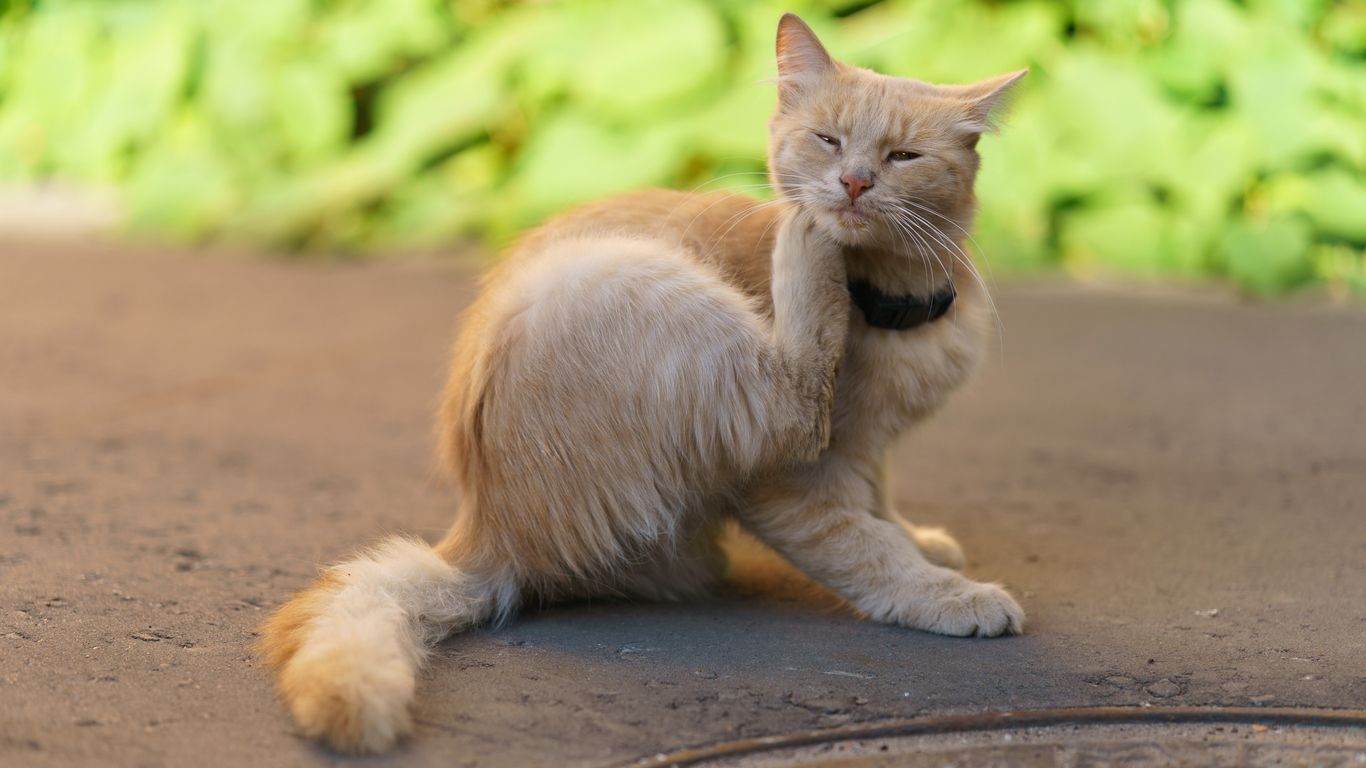 A lack of visible scratching does not necessarily mean your cat is comfortable. Unlike dogs, cats often mask their discomfort. This means that you may never see your cat scratch at all, and may only notice the end results: patches of missing fur, small crusty bumps, or repeatedly irritated skin.
Common signs of allergic skin disease in cats during the summer months include:
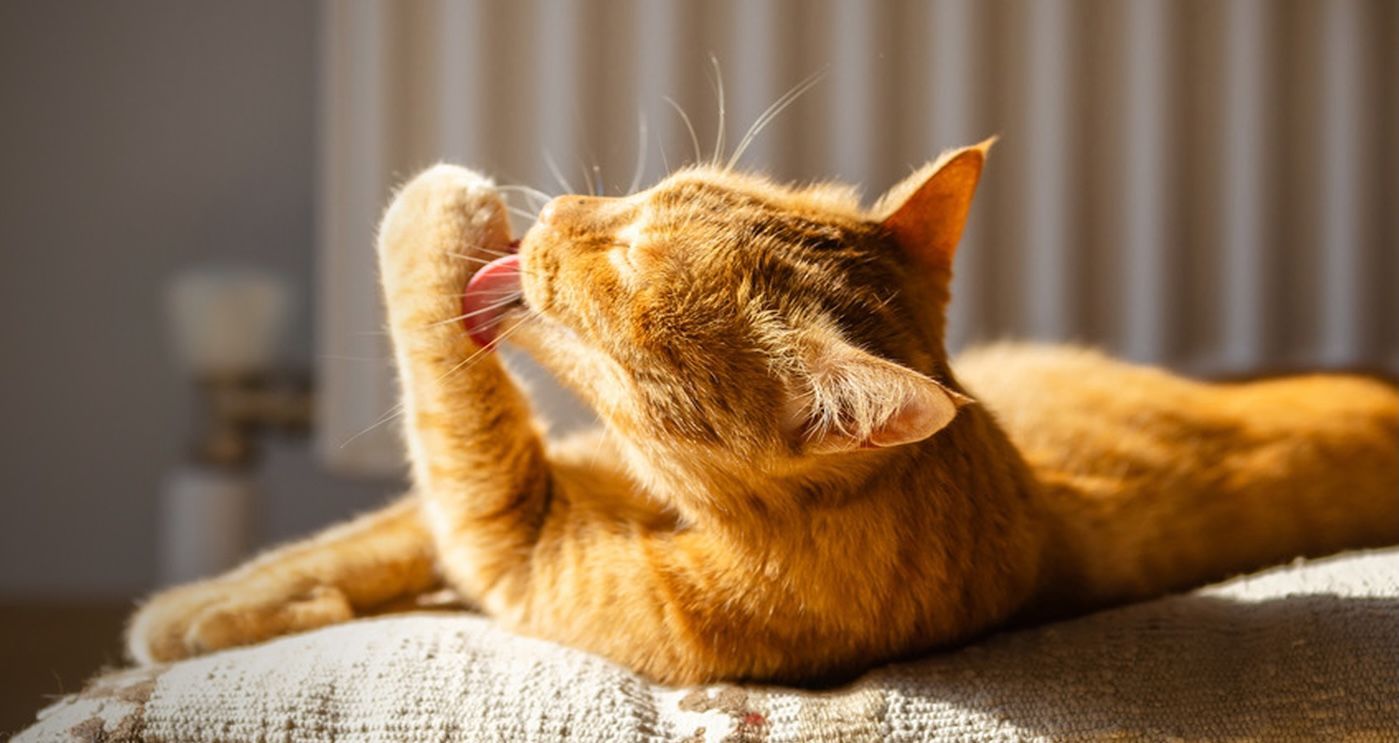
- Excessive grooming, licking, or chewing at the skin, belly, or legs
- Patchy or symmetrical hair loss, often without visible skin damage
- Miliary dermatitis: small, crusty papules scattered across the back, neck, or belly that feel like tiny seeds under the fur
- Redness, thickening, or scaling of the skin
- Head and neck scratching, or rubbing the face against surfaces
- Recurrent or persistent ear inflammation, including head shaking and dark debris in the ears
- Raised, reddened lesions particularly around the lips or inner thighs
Other conditions, such as skin infections, ear infections, and skin parasites, can cause very similar symptoms. These may first become apparent during the summer months too, so timing alone is not enough to diagnose allergies. This is why a veterinary evaluation is so valuable in distinguishing allergic disease from other conditions that can look similar.
Common summer allergy triggers for cats
Grass pollen
Grass pollen is one of the most common warm-weather allergens for cats with atopic dermatitis. In late spring and summer, especially on dry, windy days, grasses like timothy, bermuda, and Kentucky bluegrass, release pollen.
Weeds
Weed pollens tend to be light and travel long distances in the wind, so even cats living in cities can be exposed to significant levels. Cats who are sensitive to weed pollens can have a distinct second wave of symptoms in late-summer, following the earlier grass pollen season. Ragweed is a well-known weed allergen, and its season runs from late summer into autumn across much of North America. Other common weeds are sagebrush, pigweed, and lamb's quarters.
Mold
Warm, humid summer conditions create ideal circumstances for outdoor mold growth, especially in shaded or damp areas such as leaf litter, compost, and soil. Mold spores can also accumulate in high humidity spaces, like bathrooms, basements, and around air conditioning units.
Flea saliva
Flea allergy dermatitis is among the most common causes of skin disease in cats, and flea populations peak considerably during the warmer months. In cats with flea allergy dermatitis, the allergic reaction is triggered by proteins in the flea's saliva, not by the flea itself. Even a single bite can be enough to trigger an intense reaction in a sensitized cat. Because cats are such effective groomers, you may never find a flea on your cat even when flea allergy is the primary cause of their symptoms.
Reliable flea control throughout summer is important for any cat. It is worth noting, however, that cats can be particularly sensitive to some over-the-counter flea treatments and to products intended for dogs. Working with a vet to select a safe, effective product is a good idea before starting or changing any flea prevention medication.
For cats with allergic skin disease, summer often brings the perfect storm: higher pollen counts, greater flea activity, and more humidity driving mold growth. Managing that combination well really does require a tailored plan, because what works for one cat won't necessarily work for another.
—Dr. Jo Myers, veterinarian at Vetster
Indoor risks
Although environmental allergens are often associated with the outdoors, indoor-only cats are not protected from exposure. Pollen, fleas and mold spores can enter the home through open windows and doors, and can also be carried indoors on clothing and shoes. As a result, even cats that never go outside can still be exposed to significant levels of allergens during peak allergy season, like summer.
Central air conditioning and appropriately maintained filters may help reduce indoor humidity and decrease airborne allergen exposure. Vacuuming soft furnishings frequently and keeping windows closed on high pollen days can also reduce the load of airborne allergens reaching your cat indoors.
Managing the 'itch signal'
Whether a cat is reacting to grass pollen, mold spores, or flea saliva, they may develop itchy, inflamed skin. This is why treatment often focuses on managing the itch and reducing exposure to known allergens whenever possible, rather than identifying every individual trigger. If symptoms fail to respond adequately to initial treatment, allergy testing or a food trial may be recommended.
A vet can help you determine the appropriate plan to manage your cat's symptoms, including whether prescription itch relief medication is needed, which flea control is safest for your cat, and whether there are environmental changes to help reduce the allergen load at home. Treatment choice and dosage varies depending on your cat's age, overall health, and the severity of their symptoms.
Everyday steps to help care for a cat with summer allergies
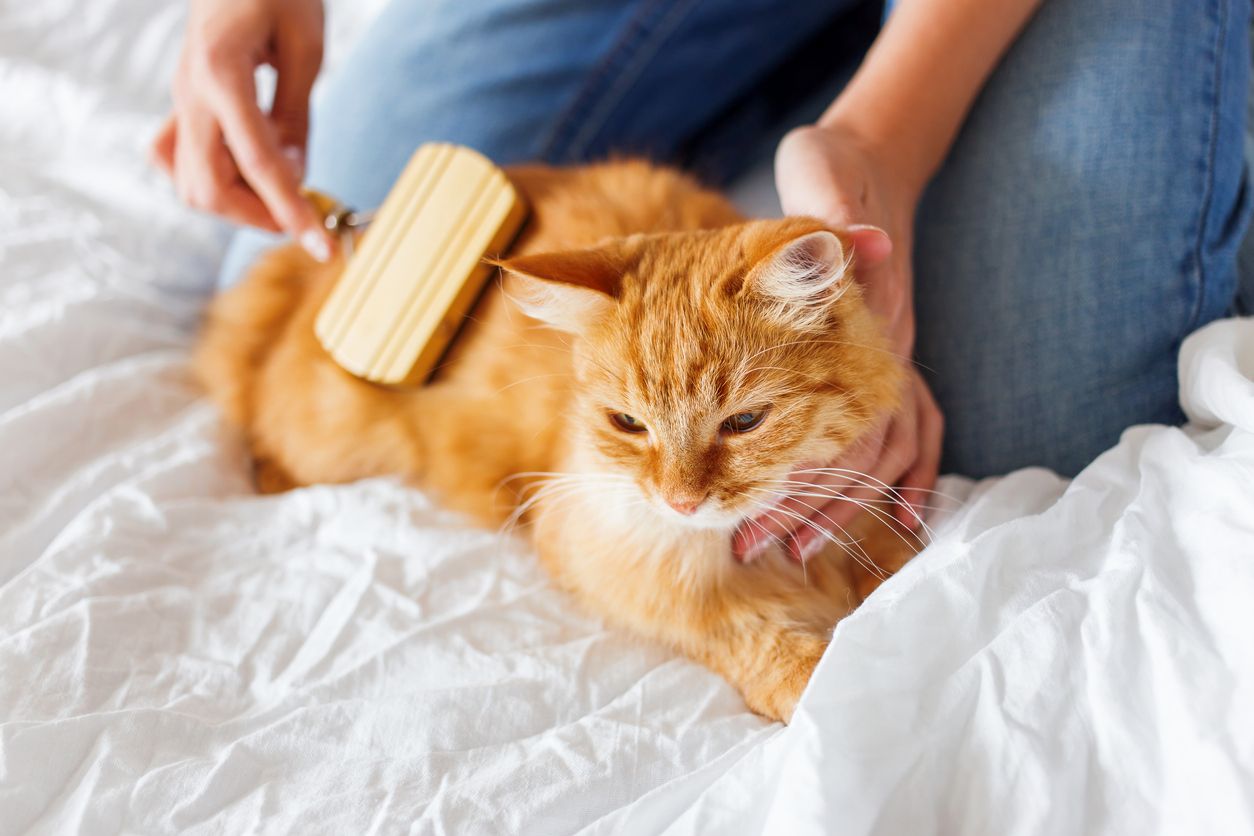 There are several practical measures that can support your cat's comfort during allergy season. These work best alongside veterinary guidance rather than as a substitute for it.
- Keep your cat indoors with air conditioning when possible, particularly on high-pollen or high-humidity days
- Groom your cat regularly with a gentle brush to remove pollen and other surface allergens from the coat
- Wipe down your cat's paws and coat after time outdoors with a damp cloth or fragrance-free grooming wipe
- Vacuum frequently and consider a HEPA air purifier in the rooms where your cat spends the most time
- Omega-3 fatty acids, which may help support skin health and reduce inflammation in some cats
- Maintain year-round flea prevention using a veterinarian-recommended product
What about over-the-counter allergy medications?
Since over-the-counter antihistamines are a go-to remedy for human seasonal allergies, it's natural to wonder whether they can help an itchy cat too. The honest answer is that itching and inflammation in cats isn't driven by histamine alone, so antihistamines generally provide limited benefit when used on their own.
A vet may incorporate them into a broader allergy management plan, particularly when symptoms are mild, but cats can have unique sensitivities to ingredients not formulated for feline use, and some combination products contain decongestants or other active ingredients that may be harmful. Consult a vet before starting any over-the-counter allergy medication, even one considered safe for humans.
Supportive care and over-the-counter products also do not typically address the underlying immune response that drives allergic skin disease. For this reason, many cats require prescription medications to adequately control itching and inflammation during peak allergy seasons. Without proper management, ongoing scratching and grooming can damage the skin barrier, increasing the risk of secondary bacterial or yeast infections. If symptoms persist, return each summer, or your cat develops signs of a skin or ear infection, talk to your vet for guidance.
How Vetster supports your cat's summer allergy plan
When summer allergy symptoms begin, a virtual appointment with a Vetster veterinarian can help you determine the next steps. Creating a proactive summer plan with a vet, rather than waiting until symptoms become severe, can help you manage your cat's allergies more effectively. Together, you can determine which preventive measures to prioritize, when prescription treatment may be needed, and how to recognize early signs of complications before they worsen.
Talk with an online vet and get personalized guidance for your cat's symptoms.
FAQ
Why are cat allergies worse in summer?
Summer does not cause allergies, but it can increase exposure to the allergens that trigger them. During summer, many common allergens become more abundant. Grass and weed pollen peak, flea populations increase in warm weather, and mold spores thrive in damp environments. As a result, cats with allergic skin disease may experience more frequent or more severe flare-ups. While the underlying allergy is a lifelong condition, seasonal changes can affect how much of a particular allergen your cat is exposed to at any given time.
What months are worst for cat allergies?
The months with the highest levels of the allergens affecting your cat are usually the most difficult for them. Grass pollen tends to peak in late spring and early summer, while ragweed and other weed pollens are most prominent from late summer through autumn. Flea activity is generally highest during the warm months from late spring through early autumn. Mold spores can be problematic throughout summer, particularly in humid climates or damp indoor environments. Some cats are sensitive to allergens that are present year-round, such as dust mites, which means their symptoms may persist well beyond summer even if they flare most noticeably during warmer months.
How can I help a cat with summer allergies?
A combination of allergen reduction and symptom management tends to be most effective. Keeping your cat indoors with filtered air on high-pollen days, grooming regularly to remove surface allergens, and maintaining reliable flea prevention are practical first steps.
Some cats with persistent or more severe symptoms require prescription medications to adequately control itching and inflammation. Over-the-counter antihistamines can sometimes play a supporting role, but they are not a substitute for veterinary care and should not be started without consulting a vet first, as some products are unsafe for cats.
Can indoor cats get summer allergies?
Yes. While indoor cats have less direct exposure to outdoor allergens such as grass pollen and fleas, those allergens can enter the home on clothing, through open windows, and via ventilation systems. Higher indoor humidity in summer can also support the growth of mold spores and dust mites, which are common year-round allergens for cats. Indoor cats with allergic skin disease can still experience summer flares, particularly if they are sensitive to multiple allergen types.
What does miliary dermatitis look like in cats?
Miliary dermatitis appears as multiple small, crusty papules scattered across the coat, most commonly along the back, neck, and belly. The bumps are typically easier to feel than to see through the fur, and they are often described as having the texture of tiny seeds. They are a common skin reaction pattern in cats with allergic disease, particularly flea allergy dermatitis, and they indicate that veterinary evaluation is a good next step.
Do I need to find out exactly what my cat is allergic to?
Not necessarily, at least not early in the course of treatment. Most allergic cats can be managed effectively by focusing on controlling the itch and reducing exposure to known allergens, without requiring formal allergy testing.
Testing becomes more important if initial management strategies are not providing adequate control, or if allergen-specific immunotherapy (often called "allergy shots") is being considered as a long-term option. A vet can guide you as to whether testing is likely to change your cat's management plan in a meaningful way.
This article is intended for informational purposes only and does not constitute veterinary medical advice. Please work with a licensed veterinarian to determine the right diagnosis and treatment plan for your cat.