Diet and nutrition questions? Get expert advice online.
From weight management to specialty diets, talk to a virtual vet to stay on top of your cat’s nutritional needs.

-
-
-
-
Pet parents say it best: how Vetster helps cats stay healthy


How Vetster works: getting diet and nutrition advice for your cat
-
 1
1Book a virtual vet visit
Pick a time that works for you and connect with a licensed veterinarian online.
-
 2
2Get a personalized diet and nutrition care plan
Your vet will recommend effective next steps to help manage your cat’s diet and nutrition.
-
 3
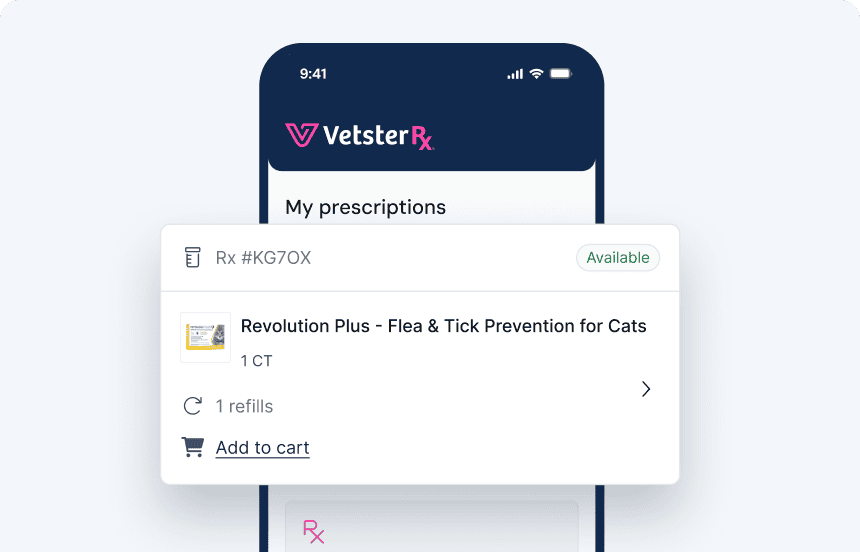
3Get your cat’s prescription products delivered
If medication or a therapeutic diet is prescribed, choose between a home delivery with VetsterRx or a local pickup to get your cat’s solutions fast.
Make managing diet and nutrition issues easy with Vetster's on-demand vet care
24/7 access to trusted vets
Connect with a trusted vet any time with Vetster. VetsterPlus members also get unlimited access to live messaging for quick answers to pet health questions.

Book an appointment within minutes
Skip the wait. Choose a time that works for you and your cat and easily schedule a virtual visit in just a few clicks.

Easy online prescriptions with transparent pricing
If medication or therapeutic diet is prescribed for your cat, we’ll process it through VetsterRx and take care of all the details for you. You’ll see full pricing before checkout.

Fast, reliable home delivery
VetsterRx ships your pet’s medication quickly — usually within two days.

Your guide to effective treatments for diet and nutrition concerns
Whether your cat needs short-term or long-term diet management, virtual care on Vetster connects you with licensed veterinarians who can guide you through a wide range of treatment options with transparent pricing and no hidden fees.
Diet and nutrition needs vary widely depending on the underlying issue, so treatment plans will also vary in duration, complexity, and cost. Your veterinarian will assess your cat’s condition and recommend the most appropriate care for their specific needs. Here are some general examples of potential treatment costs for nutritional concerns.
-
Therapeutic prescription diets can be dry, which cost approximately $45 to $80 per bag, or wet, which cost approximately $2 to $4 per can.
-
Premium commercial diets generally cost between $25 and $60 per bag.
-
Omega-3 fish oil supplements may cost between $15 and $30 per bottle.


Explore products for your cat’s diet and nutrition needs
There are many types of medications and products that may be used to help manage diet and nutrition concerns for your cat. The right approach depends on your cat’s specific condition, medical history, and environment.
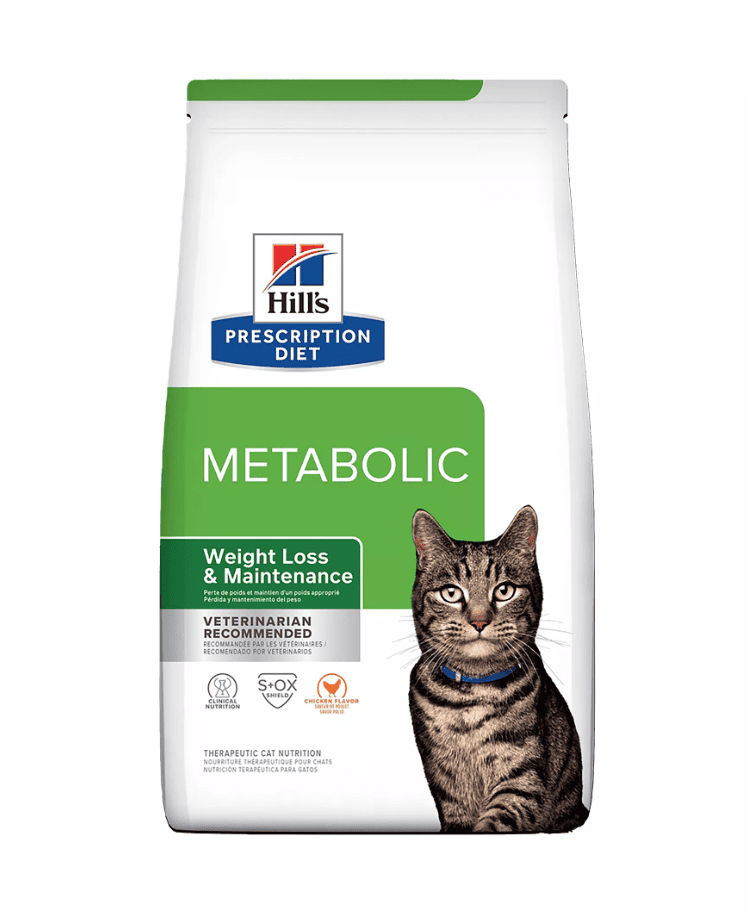
Hill's Prescription Diet Metabolic Chicken Flavor, Dry Cat Food
- Cats
- 4 lb. bag
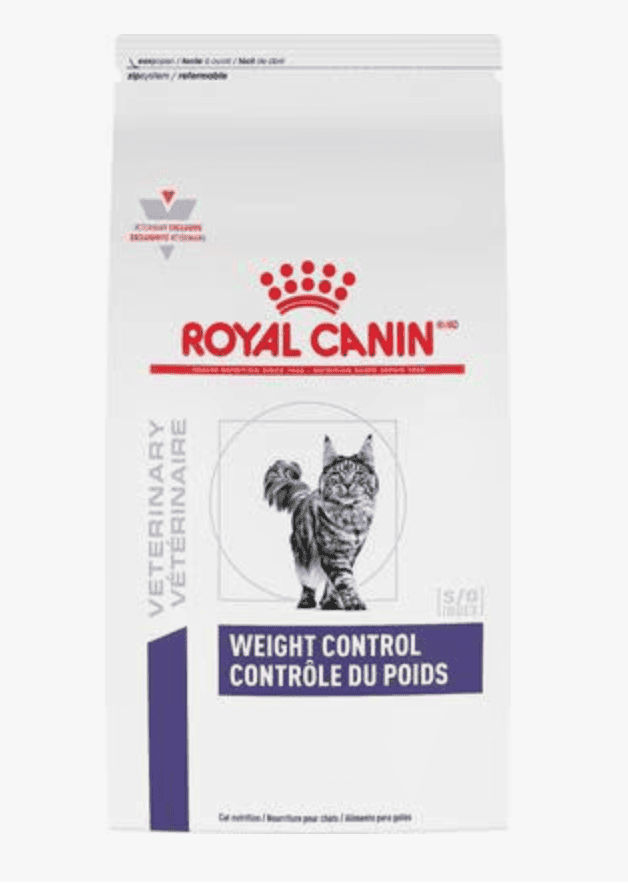
Royal Canin Feline Weight Control Dry Cat Food
- Cats
- Multiple options
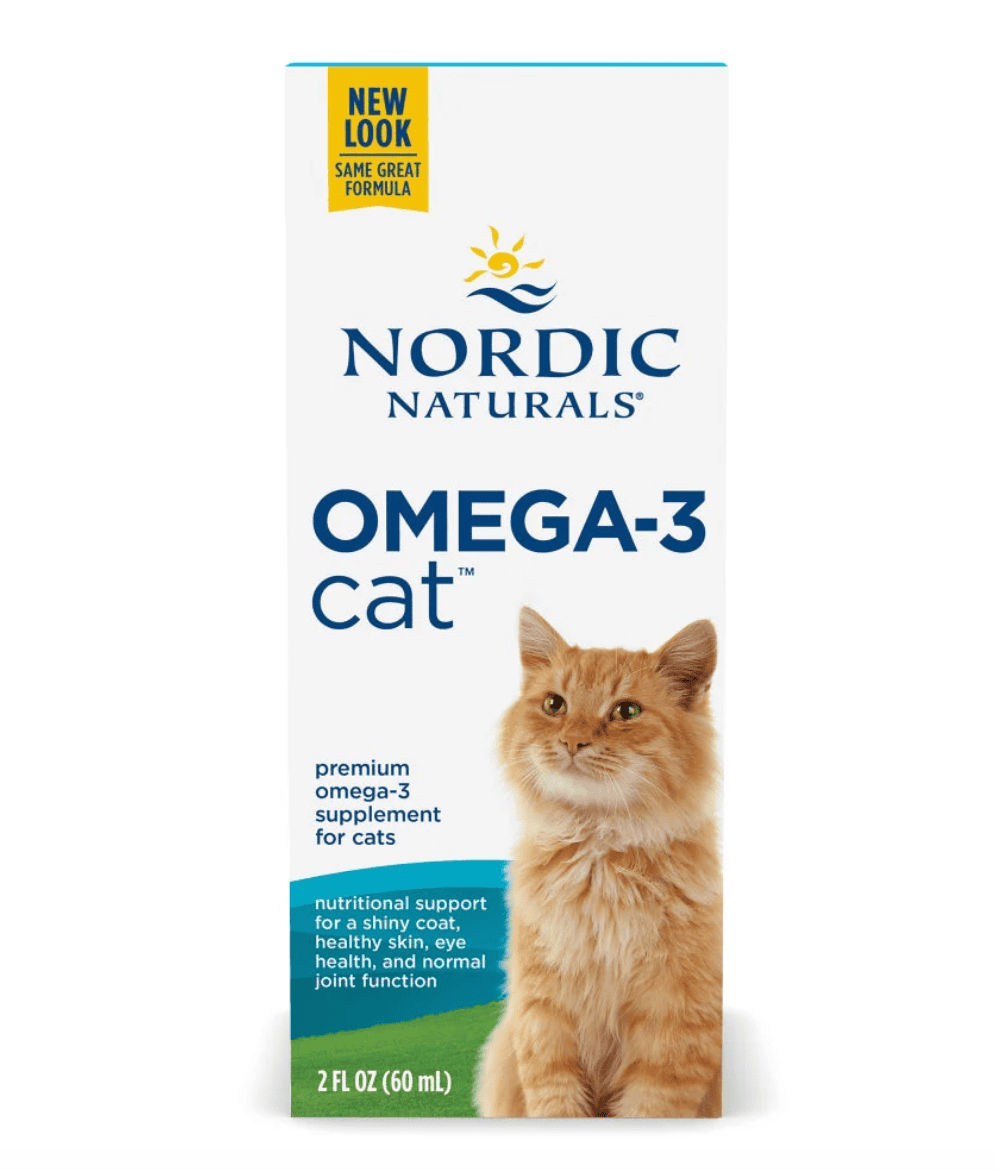
Nordic Naturals Omega-3 Cat
- Cats
- Multiple options

Dasuquin® Sprinkle Capsules for Cats
- Cats
- Multiple options
This information is provided for general informational purposes only and is not a substitute for professional veterinary care. Always consult a licensed veterinarian before starting any medication, as treatment plans should always be tailored to your individual pet's needs. Product availability, appropriateness, and legal access to prescription medications may vary based on your location and the nature of your pet’s health issue. In some locations, a valid VCPR must be established in person before prescription medications can be provided. The examples you may see here are not intended as medical advice or endorsements, and they may not be suitable for your pet.
FAQ
An online vet can help with many cat diet and nutrition concerns by assessing your cat's health, reviewing their current diet, and recommending personalized nutrition strategies. Virtual appointments are often a convenient way to get guidance on weight management, diet transitions, digestive concerns, and therapeutic nutrition plans.
Online vets may prescribe therapeutic diets or medications for cats when appropriate and legally permitted in your location. Your veterinarian will evaluate your cat's needs during the appointment and recommend treatment options that support their overall health and nutritional goals.
The cost of managing a cat's diet and nutrition concerns depends on your cat's condition and the treatment plan recommended by your veterinarian. Costs may include therapeutic prescription diets, supplements, medications, or ongoing nutritional management, with pricing varying based on your cat's specific needs.
Vetster helps with prescription diets and medications by connecting you with licensed veterinarians who can evaluate your cat and provide treatment recommendations. If a prescription is issued, VetsterRx can coordinate home delivery or local pickup, depending on availability and your location.
Emergency care may be needed for nutrition-related concerns if your cat develops severe symptoms such as collapse, seizures, difficulty breathing, pale gums, significant weakness, or a painful swollen abdomen. A virtual veterinarian can help determine the urgency of your cat's condition, but life-threatening symptoms should be assessed in person immediately.
A virtual appointment for your cat's nutrition starts with discussing your cat's health history, current diet, symptoms, and nutritional goals with a licensed veterinarian. Based on this assessment, your vet can recommend a personalized care plan, discuss treatment options, and answer questions about long-term nutrition management.