Understanding allergic bronchitis, rhinitis, and sinusitis in dogs


Key takeaways
- In dogs, allergies usually show up in the skin and ears, not the nose and lungs. Allergic bronchitis, allergic rhinitis, and allergic sinusitis do happen, but they're uncommon.
- Coughing, sneezing, and a runny nose in dogs are more often caused by conditions other than seasonal allergies, including infections, inhaled foreign objects like grass seeds, and dental disease. Identifying the underlying cause is important for choosing the right treatment.
- Talk with a veterinarian to understand what's behind your dog's cough or sneeze and whether allergies may play a role.

If your dog keeps sneezing or coughing, you might wonder if it’s hay fever. After all, those are common symptoms in humans. However, allergies in dogs are more likely to cause itchy skin and ears.
Allergies can sometimes cause inflammation in a dog’s lower airways (allergic bronchitis), inside the nose (allergic rhinitis), or in the sinuses (allergic sinusitis). All three are uncommon in dogs. The pattern of symptoms helps your vet decide what to look for. If your dog keeps sneezing and has a runny nose, for example, your vet may check for an infection, a dental problem, or something stuck in the nose.
If your dog has a persistent cough or runny nose, you can talk to an online vet about your dog's symptoms and find out what to do next.
Seek emergency veterinary care right away if your dog is struggling to breathe, breathing with their mouth open while resting, has blue, gray, or very pale gums, collapses, or has a nosebleed that won't stop. These signs need an in-person exam, not a virtual visit.
Human allergies vs. dog allergies: Why symptoms differ
 People and dogs can be allergic to many of the same things, but their symptoms often differ. The reasons for this aren't fully understood, although differences in their skin and immune responses may play a role.
In people, inhaled allergens like pollen often trigger hay fever. Immune cells in the lining of the nose and eyes release histamine and other chemicals, which causes sneezing, a runny nose, and itchy, watery eyes.
Dogs can react to many of the same allergens, including pollens, molds, and dust mites, but their reaction usually happens in the skin. Allergic skin disease (atopic dermatitis) is by far the most common way allergies show up in dogs. Instead of sneezing, an allergic dog is more likely to have itchy paws, a red belly, recurring ear infections, or hot spots. Our guide to whether your dog's itchy skin is a sign of allergies explains these signs in more detail.
Some allergic dogs do sneeze more or develop red, watery eyes during allergy season, usually alongside itchy skin. A dog whose only symptoms are a cough or a runny nose, though, is more likely to have something other than an allergy.
People and dogs encounter allergens in much the same ways. We breathe them in, and they come into contact with our skin and eyes. What we don't fully understand is why those same allergens tend to cause sneezing and runny noses in people, but itchy skin in dogs. Knowing that dogs are more likely to develop skin symptoms than respiratory symptoms helps us avoid assuming that a sneezing or coughing dog has seasonal allergies.
—Dr. Jo Myers, Vetster veterinarian
Although respiratory allergies are uncommon in dogs, allergic inflammation can occur in different parts of the respiratory tract, including the bronchi, nasal passages, and sinuses. The symptoms vary depending on where the inflammation occurs.
What is allergic bronchitis in dogs?
Allergic bronchitis in dogs occurs when the immune system overreacts to an otherwise harmless substance, causing inflammation of the bronchi, the airways that branch from the windpipe (trachea) into the lungs. The airway lining becomes swollen and produces extra mucus, which irritates the airways and triggers coughing.
Possible allergens include airborne pollens, molds, and dust mites. This allergic reaction is different from the direct irritation caused by cigarette smoke, aerosol sprays, and strong cleaning products, although these irritants can also worsen coughing and airway inflammation. In many cases, the specific allergen is never identified. Young to middle-aged dogs are most often affected, though any dog can develop it.
Allergic bronchitis symptoms
The most common sign is a persistent cough. Some of the typical signs include:
- A dry, harsh, or hacking cough that lasts for weeks rather than days
- Coughing fits that end in gagging or retching, which can look like the dog is trying to vomit
- Coughing that gets worse with exercise, excitement, or pulling on a leash
- Tiring more quickly on walks
- Wheezing or noisier breathing in some dogs
Dogs with allergic bronchitis may otherwise appear healthy, with normal energy levels and appetite. However, these symptoms are not specific to allergies, so a veterinary evaluation is needed to determine the underlying cause.
How it differs from other causes of coughing
Many conditions cause coughing in dogs, and many are more common than allergic bronchitis. They include kennel cough (canine infectious respiratory disease), pneumonia, collapsing trachea in small breeds, heart disease, and parasites such as heartworm and lungworm. Parasites are especially important to rule out, since they can cause airway inflammation that resembles what’s usually seen with allergies. Our page on coughing in dogs covers these causes in more depth.
Diagnosing and treating allergic bronchitis
There's no single test for allergic bronchitis. A vet usually reaches the diagnosis by ruling out other causes first. Depending on your dog's history and exam, this may include blood work, heartworm and parasite testing, chest X-rays, and sometimes bronchoscopy to examine the airways or an airway wash to collect samples for analysis.
Treatment usually focuses on reducing airway inflammation and exposure to triggers. A vet may prescribe corticosteroids, given as tablets or through an inhaler fitted with a mask and spacer designed for dogs. Some dogs also benefit from medications that open the airways. At home, avoiding smoke and aerosol sprays, keeping your dog at a healthy weight, and using a harness instead of a collar can all help reduce coughing. Some dogs need ongoing treatment and check-ins, particularly when exposure to allergens can't be avoided. Treatment choice and dosage vary depending on your dog's age, overall health, and symptom severity.
What are allergic rhinitis and sinusitis in dogs?
Rhinitis is inflammation of the lining of the nose, and sinusitis is inflammation of the sinuses, the air-filled spaces in the skull that connect to the nose. Because the nose and sinuses are so closely linked, the two often happen together, and vets sometimes call this rhinosinusitis.
Allergic rhinitis and sinusitis occur when the immune system overreacts to allergens, such as pollens, molds, or dust mites, causing inflammation in the nose or sinuses. Both are uncommon in dogs and may occur alongside allergic skin disease. Most cases of rhinitis and sinusitis in dogs have causes other than allergies.
Allergic rhinitis and sinusitis symptoms
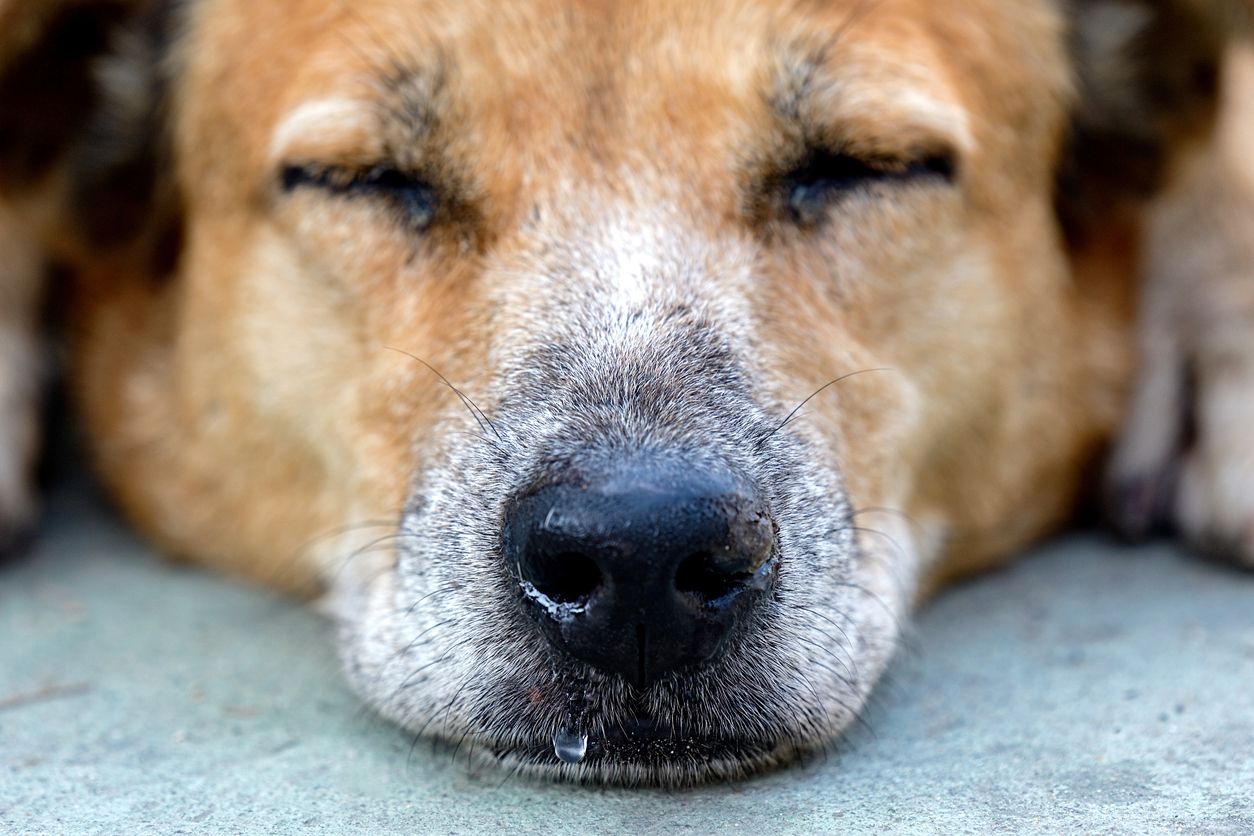
Signs of allergic rhinitis tend to be mild and affect both sides of the nose. They may include:
- Sneezing, sometimes in bursts
- Clear, watery discharge from both nostrils
- Rubbing or pawing at the face or nose
- Red, watery eyes
- Symptoms that come and go with the seasons, often alongside itchy skin
Other causes of rhinitis and sinusitis can produce similar symptoms. Thick yellow or green discharge, discharge from only one nostril, nosebleeds, swelling or pain around the face or eyes, bad breath, and noisy breathing may indicate an underlying problem that needs further investigation. These signs should be evaluated by a veterinarian rather than assumed to be allergies.
More common causes of rhinitis and sinusitis
Some of the more common causes of nasal symptoms in dogs include:
- Viral and bacterial infections: Often part of kennel cough, these are a frequent cause of sneezing and nasal discharge, especially in dogs who spend time around other dogs.
- Foreign bodies: Grass seeds (awns or foxtails) and other plant material can be inhaled during walks. They often cause sudden, violent sneezing, pawing at the nose, and discharge or bleeding from one nostril.
- Dental disease: An infected tooth root in the upper jaw can break through into the nasal passage and cause discharge on one side. Dental disease in dogs is very common, especially in small breeds.
- Fungal infections: Nasal aspergillosis can cause long-lasting discharge, nosebleeds, and pain, most often in medium to large dogs with longer noses.
- Nasal tumors and other growths: These are more likely in older dogs and often cause one-sided discharge or nosebleeds that come and go.
Nasal mites and chronic inflammatory rhinitis, in which the nose stays inflamed without a clear cause, are other possibilities a vet may consider. It's also worth knowing about reverse sneezing, a loud snorting sound that can look alarming but is usually harmless.
Diagnosing and treating rhinitis and sinusitis
Because the causes vary so widely, treatment for rhinitis and sinusitis in dogs depends on what's behind it. A vet will start with your dog's history and an exam of the nose, mouth, and teeth. If symptoms persist, further steps may include blood work, X-rays or a CT scan of the nose, an examination inside the nose with a small camera (rhinoscopy), and tissue samples.
Treatment is tailored to the cause. Infections may need antibiotics or antifungal treatment, foreign bodies are usually removed during rhinoscopy, and dental problems may need tooth extraction. For allergic rhinitis, treatment may involve reducing exposure to triggers and, in some dogs, anti-inflammatory medication prescribed by a vet. Humidifying the air or gently wiping away discharge may help your dog feel more comfortable while they recover.
Human decongestants and cold medications can be dangerous for dogs. Many contain pseudoephedrine or phenylephrine, which can cause a racing heart, tremors, and seizures, and some liquid products contain xylitol, which is toxic to dogs. It's best to check with a vet before giving your dog any human medication. Learn more in Is human allergy medication ever safe for dogs?
Allergic bronchitis, rhinitis, and sinusitis compared
Many respiratory signs in dogs look like allergies to us, but they usually have other causes. This table compares what pet parents often notice and assume with what's more likely from a veterinary point of view.
| What you might notice | Common assumption | More likely causes | When allergies may be involved |
|---|---|---|---|
| Occasional sneezing fits | Hay fever | Dust or other irritants, a mild viral infection, or reverse sneezing | Possible if it's seasonal and the dog also has itchy skin |
| Clear, runny nose from both nostrils | Seasonal allergies | Viral infection or kennel cough | Possible allergic rhinitis, especially with seasonal itchy skin |
| Thick, colored, or one-sided nasal discharge | A cold or allergies | Bacterial or fungal infection, a foreign body, dental disease, or a growth | Rarely |
| Nosebleed | Dry air or allergies | Foreign body, fungal infection, injury, a growth, or a clotting problem | Rarely |
| Sudden, violent sneezing after a walk | Pollen allergy | Inhaled grass seed or plant material | Rarely |
| Honking or hacking cough after kenneling or dog parks | Allergies or "something in the air" | Kennel cough | Rarely |
| Dry cough that lasts weeks in an otherwise healthy dog | Allergies | Collapsing trachea, chronic bronchitis, heart disease, or parasites | Possible allergic bronchitis once other causes are ruled out |
| Red, watery eyes | Hay fever | Eye infection, irritation, or a blocked tear duct | Possible, often alongside itchy skin |
Only a vet can tell these causes apart, and several can occur together. If your dog's eyes are the main concern, see how to know if your dog has an eye infection.
When to seek immediate in-person emergency care
Mild, long-lasting symptoms like an occasional cough or sneeze can often be discussed with a vet virtually. Some signs, though, mean your dog needs to be seen in person right away:
- Labored or rapid breathing at rest, breathing with the mouth open, or using the belly to breathe (labored breathing in dogs)
- Blue, gray, or very pale gums or tongue
- Collapse, fainting, or extreme weakness
- A nosebleed that won't stop, or coughing up blood
- Sudden swelling of the face, muzzle, or throat, especially with hives or trouble breathing
A cough with a fever, lethargy, or a loss of appetite also needs a prompt in-person visit, since it may signal pneumonia. Flat-faced breeds, such as French bulldogs, pugs, and bulldogs, can develop breathing trouble quickly, especially in hot weather.
How a virtual vet consultation supports your dog
When your dog has a lingering cough or a runny nose, it can be hard to know whether to wait it out, change something at home, or book an in-person visit. A virtual appointment with a licensed veterinarian is an easy first step for symptoms that aren't an emergency.
During a Vetster appointment, you can describe your dog's symptoms, share videos of their cough or sneezing, and talk through possible triggers at home. The vet can help you understand which causes are most likely, suggest ways to make your dog more comfortable, and tell you whether your dog needs X-rays, tests, or an in-person exam. Recording a short video of the cough before your visit and noting when it happens can make the appointment more useful. Our guide on how to prepare for your online vet appointment has more tips.
Vets can prescribe medications or therapeutic diets if there is a valid veterinarian–client–patient relationship (VCPR). In some states or provinces, this relationship can be established remotely. If your pet has already seen the vet in person, a remote visit may still be eligible for prescriptions. Writing a prescription is always up to the veterinarian's professional judgment. Refer to this map to see which states allow a VCPR to be established virtually. Talk with an online vet and get personalized guidance for your dog's symptoms.
FAQ
How do you treat allergic bronchitis in dogs?
Allergic bronchitis is usually treated with anti-inflammatory medication, such as corticosteroids given by mouth or through a dog-friendly inhaler, along with steps to reduce exposure to smoke, dust, and aerosols. Because other conditions cause similar coughing, a vet will typically rule those out first. Most dogs need long-term management rather than a one-time cure.
How do you treat rhinitis and sinusitis in dogs?
Treatment depends on the cause. Infections may need antibiotics or antifungal medication, foreign objects and diseased teeth may need to be removed, and allergic rhinitis may be managed by reducing triggers and, in some cases, with prescription anti-inflammatory medication. A vet can help identify the cause and the right approach.
What can I give my dog for sinus allergies?
It's best to talk to a vet before giving anything, because true sinus allergies are rare in dogs and many human cold and allergy products contain ingredients that are toxic to them. A vet can confirm whether allergies are likely and recommend a safe option if treatment is needed.
What are the signs of a sinus infection in dogs?
Common signs include sneezing, thick yellow or green nasal discharge, discharge from one nostril, nosebleeds, bad breath, and swelling or tenderness around the face. Some dogs also eat less or seem tired. These signs often point to a cause other than allergies, so it's a good idea to have them checked.
Will a dog's sinus infection go away on its own?
Mild nasal symptoms from a viral infection may clear up within one to two weeks. Discharge that is thick, colored, bloody, or from one nostril, or that lasts longer than a couple of weeks, is less likely to resolve without treatment and may have an underlying cause like a foreign body or dental disease.
Can dogs get hay fever like people?
Dogs can be allergic to pollen, but it usually causes itchy skin, paws, and ears rather than sneezing and a runny nose. Some allergic dogs do sneeze more or have watery eyes during allergy season, but a cough or runny nose on its own is more likely to have another cause.
This article is intended for informational purposes only and does not constitute veterinary medical advice. Please work with a licensed veterinarian to determine the right diagnosis and treatment plan for your dog.