How telehealth helps manage chronic pet allergy costs



Key takeaways
- It can be more cost-effective in the long run to manage your pet’s allergy symptoms consistently, rather than waiting for flare-ups.
- When symptoms are left unchecked, they can lead to secondary infections that may require more expensive treatments.
- Using both virtual and in-person veterinary care can help you stay on top of your dog’s or cat’s allergy symptoms. Online appointments are helpful for routine check-ins and questions about symptoms, while in-person visits support diagnostics like skin and blood tests, as well as physical examinations.
Caring for a pet with allergies, especially chronic allergies, can be costly. Follow-up appointments, medications, specialized diets, and any other treatments your vet may recommend all translate into a long-term investment.
Allergy management often changes over time according to symptoms, seasons, and a pet’s response to treatment. Planning ahead for your dog or cat’s allergy care can help make costs more manageable and predictable.
This is where virtual and in-person veterinary care work hand in hand to help you stay engaged and responsive in your pet’s allergy treatment plan. Virtual vet appointments are a convenient way for owners to ask for guidance quickly, remain compliant with treatment recommendations, and address concerns before they become larger problems. Depending on your state’s regulations, the ability to prescribe treatments without an in-person exam varies.
In this article, you’ll find out how to use telehealth, in-person care, and pet insurance to manage your pet’s allergy care effectively over time.
Understanding affordability in allergy care
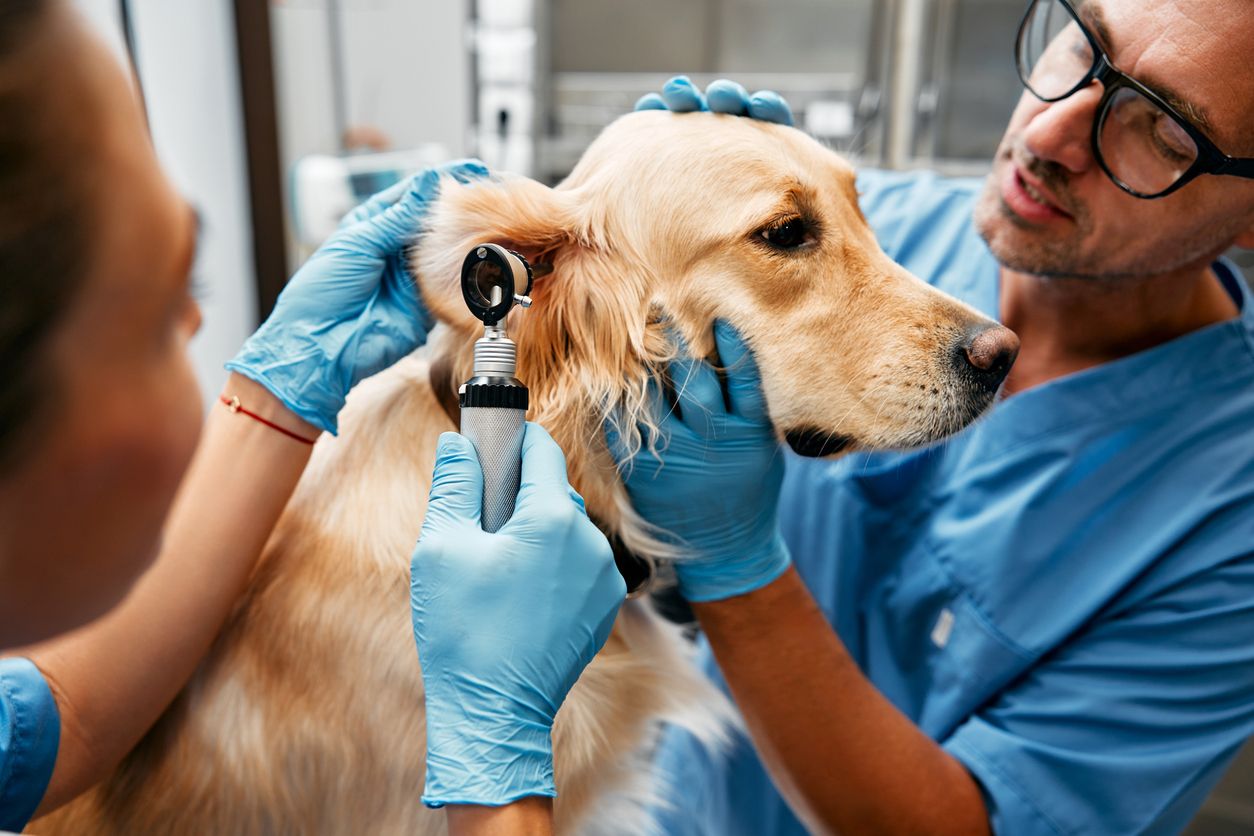 It’s natural to think that reducing vet visits can reduce costs related to a pet’s allergy care. The reality is that proactive management ends up being more cost-effective in the long run because it minimizes the likelihood of secondary complications like bacterial skin infections and recurring ear infections. These complications generally lead to more vet visits, diagnostics, and prescription treatment on top of your pet’s ongoing allergy management. This approach also supports your pet’s comfort and quality of life over time.
One of the reasons is that many allergic conditions aren’t curable and require ongoing treatment to manage symptoms. Canine atopic dermatitis, the most common form of allergic skin disease in dogs, is generally a lifelong condition, as is flea allergy dermatitis in predisposed pets, and environmental or food allergies in cats. Treatment plans for these conditions are often multimodal. That means they may combine medications, flea prevention, prescription diets, medicated shampoos, ear care products, environmental management, or other strategies.
How pet insurance fits into the picture
Many pet insurance policies cover allergies as an illness, but not if your pet was showing symptoms or diagnosed before the policy start date. Pet insurance policies vary widely and some plans will reimburse you for vet-recommended testing and treatments. For budgeting purposes, review what’s covered under your specific policy in advance so that you can combine it strategically with routine allergy care.
The cost-benefit of telehealth
Telehealth complements in-person veterinary care; it doesn’t replace it. Virtual appointments work well for routine check-ins, understanding symptoms early, and adjusting treatment plans. They can also be affordable and convenient, especially if a clinic isn’t close to home. On platforms like Vetster, you can often book a same-day appointment with a vet. Skin and allergy-related issues are some of the most common reasons pet parents see an online vet on Vetster, accounting for approximately 22% of all appointments.
The table below compares common allergy-related needs, general costs, and where virtual and in-person care fit in:
| Care type | Best suited for | Typical in-person cost range | Typical virtual visit |
|---|---|---|---|
| Routine check-in/treatment review | Telehealth | $70–$150 | $10/month billed annually with a subscription like Vetster Plus |
| Early symptom assessment (e.g. skin flare, ear concern) | Telehealth first; in-person if escalation needed | $80–$180 | $10/month billed annually with a subscription like Vetster Plus |
| Allergy testing (intradermal or blood) | In-person only | $200–$500 | N/A |
| Secondary skin or ear infection | In-person (exam and diagnostics) | $150–$350 | N/A |
| Emergency escalation | In-person/emergency clinic | $300–$2,500 | N/A |
Actual costs vary by location, practice type, and the individual pet’s weight (for dosing) and their specific condition. Your veterinarian is your best resource when it comes to understanding what to expect when it comes to the cost of care.
Resolving minor issues early
One of the financial benefits of telehealth is the ability to address minor allergy symptoms before they become more expensive issues. Increased scratching during certain times of the year, a small hot spot, or subtle redness inside an ear are all examples of symptoms that owners might wait to see if they resolve on their own, especially if taking their pet into a clinic feels inconvenient or costly.
A virtual appointment helps owners understand if the symptom requires treatment, monitoring, or an in-person visit before the issue worsens.
Emergency care
When allergy symptoms aren’t addressed early, they can require an emergency clinic visit. And according to a recent report by Rover, with 38% of pet owners unable to cover an emergency vet visit without taking on debt, staying ahead of avoidable complications protects your pet and your finances.
Allergy symptoms can also significantly affect quality of life for both pets and their families. Chronic itching, nighttime scratching, and constant licking are not just distressing to watch, they can escalate to the point where no one in the house can sleep. Virtual care can help owners determine whether what they’re seeing is a true emergency, if it can be monitored at home, or if a treatment adjustment might help, without the stress and expense of an emergency visit.
Ongoing allergy maintenance
The goal of ongoing allergy maintenance is to keep symptoms well-managed with an individualized long-term plan and make adjustments as your pet's needs change. Seasonal allergens fluctuate, medications may become more or less effective over time, and age or other health changes can influence treatment.
Virtual follow-up appointments are especially well-suited for this type of ongoing care. A brief check-in to review medications, monitor a diet trial, or reassess recurring skin or ear problems can help prevent minor issues from becoming major ones. By making timely adjustments before symptoms become severe, virtual care can help reduce unnecessary clinic visits, avoid more extensive treatment, and lower the overall cost of managing your pet's allergies over time.
Allergy management tends to work best when it’s treated as an ongoing conversation between the owner and the vet, rather than a series of isolated appointments. Most of the time, when I see a pet with a serious secondary skin or ear infection, there was a point earlier where a small adjustment to the treatment plan might have prevented it.
—Dr. Jo Myers, Vetster veterinarian
Make your allergy care methods work together
Managing chronic allergies is most cost-effective when virtual and in-person care are used for what they do best.
Think about care in tiers. Virtual appointments work well for the routine maintenance and early problem-solving that allergy management requires throughout the year. When treatment adjustments, seasonal flares, or minor complications can be addressed virtually, insurance coverage isn’t needed. This helps preserve coverage for the higher-cost situations, like allergy testing, specialist referrals, significant infections, or urgent flare-ups that require in-person diagnostics and treatment.
Pet insurance coverage for pets with allergies also varies significantly by policy. Most standard policies cover medications and services for allergies as an illness or condition, subject to their terms, but pre-existing conditions are typically excluded. Allergy immunotherapy may be covered under some policies as a treatment for diagnosed allergic disease, but this varies.
Some pet insurance companies, like Fetch Pet Insurance, include virtual vet care access. This can meaningfully reduce the out-of-pocket cost of ongoing veterinary care, making proactive engagement with your pet’s allergy plan even more accessible. Be sure to prepare for your online vet appointment to get the most from each visit.
A sustainable path to pet wellness with Vetster
 Managing a pet's allergies over the long term takes consistency, flexibility, and the right combination of care. Virtual care makes it easy to get professional guidance without turning every minor concern into a major logistical or financial event.
That's the role Vetster is designed to play. An online appointment connects you with a licensed veterinarian who can help you understand your pet's current symptoms, identify when an in-person examination may be needed, and provide individualized guidance for your pet. Costs vary, but virtual appointments are often a lower-cost option than an in-clinic visit for the type of care allergy management often requires.
The goal isn't to replace your regular veterinarian. It's to stay more consistently connected to trusted veterinary guidance in a way that fits your life and your budget. Proactive allergy management, supported by accessible virtual care, can help keep your pet more comfortable while potentially reducing the overall cost of long-term care. Talk with an online veterinarian about your pet's allergy symptoms and understand the best next steps.
Frequently asked questions
How much does a vet visit cost for allergies?
The cost of an allergy-related veterinary visit varies considerably depending on what the visit involves. An office consultation may range from around $80 to over $200, while allergy testing for dogs and allergy testing for cats can cost several hundred dollars. Additional expenses may include diagnostic tests, medications, prescription diets, or treatment for secondary skin or ear infections. Virtual appointments through platforms like Vetster are often a lower-cost option when you're looking for guidance about your pet's symptoms, determining the most appropriate next steps, or managing an existing allergy care plan.
Because every pet's symptoms, diagnostic needs, and treatment recommendations are different, there isn't a single cost that applies to every case. A veterinarian can help you understand the most appropriate next steps and what costs to expect based on your pet's individual situation.
Are online vet visits worth it for a pet with allergies?
Yes, many pets with allergies can benefit from virtual veterinary care. Depending on your pet's symptoms and your location, an online appointment may be a good place to start, or it may serve as part of an ongoing allergy management plan. Virtual visits provide a convenient, comparatively affordable way to discuss new or recurring symptoms, determine the most appropriate next steps, monitor your pet's progress, and get professional guidance without the scheduling and cost of a clinic visit for every concern.
In-person veterinary care remains important for hands-on physical examinations, diagnostic testing, and urgent or emergency situations. A Vetster veterinarian can help you determine when virtual care is appropriate and when your pet should be seen in person.
Does pet insurance cover allergy shots for dogs?
It depends on your policy. In veterinary medicine, "allergy shots" usually refers to allergen-specific immunotherapy, a long-term series of injections that helps reduce a dog's sensitivity to environmental allergens. This is different from allergy testing, which often uses multiple injections to identify allergens that a pet reacts to.
Some pet insurance policies cover immunotherapy when it is prescribed as part of the treatment for allergic disease, while others exclude it, limit coverage, or apply specific requirements. Pre-existing conditions are also commonly excluded. If immunotherapy has been recommended for your dog, review your policy or contact your insurer to understand what is covered. The article "Pet insurance and allergies explained" covers common policy structures in more detail.
Does pet insurance cover allergy medication for dogs and cats?
Qualifying allergy medications such as itch relief medications and antibiotics for secondary infections are generally covered under standard pet insurance policies. As with all insurance coverage, the specifics depend on your individual policy: deductible, annual limit, reimbursement percentage, and exclusions all affect what you’ll ultimately receive. Reviewing your policy documents and speaking with your insurer directly will give you the most accurate picture for your situation.
What pet insurance will cover a pre-existing condition like allergies?
Most standard pet insurance policies exclude pre-existing conditions, including allergies that were diagnosed or showed symptoms before the policy's effective date. Some policies offer limited coverage for certain pre-existing conditions after a waiting period or symptom-free interval, but these exceptions vary and are not common.
If your pet already has a known allergy diagnosis, review policy terms carefully so you understand what allergy-related expenses may or may not be covered. Insurance can still provide valuable protection against future illnesses and injuries that are unrelated to your pet's allergies. Your veterinarian can also help you understand the types of allergy care your pet may need over time, making it easier to evaluate whether a policy meets your needs.
Can I manage my dog’s or cat’s allergies without frequent clinic visits?
In many cases, yes. A virtual appointment may be an appropriate place to start or may become part of an ongoing allergy management plan, depending on your pet's symptoms and medical history and on whether your vet can prescribe without seeing your pet in person first. Much of long-term allergy care involves monitoring symptoms over time, discussing seasonal changes, reviewing how a pet is responding to treatment, and determining whether any changes or further evaluation are needed.
Virtual appointments are well-suited to these types of discussions and for helping owners determine the most appropriate next steps when new symptoms arise. In-person visits remain important when a hands-on physical examination, diagnostic testing, allergy testing, or other procedures are needed. Using virtual and in-person care together can often reduce unnecessary clinic visits while helping pets receive timely veterinary guidance throughout the year.
This article is intended for informational purposes only and does not constitute veterinary medical advice. Please work with a licensed veterinarian to determine the right diagnosis and treatment plan for your pet.