Can natural or home remedies help my dog’s allergy symptoms?


Key takeaways
- Some natural treatments or home remedies can help support skin health and your dog’s comfort, but on their own, these options are rarely enough to control allergy symptoms.
- Most allergic dogs need prescription therapy or other targeted treatments for lasting comfort.
- Working with a vet to get an accurate diagnosis is a crucial starting point in developing an effective allergy treatment plan for your dog.

Watching your dog itch, lick, and scratch excessively can be frustrating and heartbreaking. It’s no surprise that many pet parents look for natural treatments or home remedies to help bring relief. Using natural options, such as omega-3 fatty acid supplements or soothing oatmeal baths, or reducing exposure to environmental triggers can offer support, but most allergic dogs still need prescription therapy or other targeted treatments for long-term comfort.
A truly holistic approach focuses on the whole dog, including their medical history, environment, nutrition, and overall well-being, to find safe, effective ways to manage allergies. Working with a veterinarian ensures that home remedies and natural treatments are used appropriately and are directed at the root cause of your dog’s symptoms. Because other health problems, such as infections and parasites, can cause similar itching and skin issues, an accurate diagnosis is essential before beginning any treatment plan. When it comes to home remedies for allergies, it’s important for dog owners to know:
- What is holistic care, and how can it be helpful?
- Can popular natural remedies help dog allergy symptoms?
- Why is veterinary care important for dogs with allergies?
Treating canine allergies is often complex and multifaceted. Uncontrolled allergies cause worsening discomfort and lead to complications, such as open wounds, and hot spots and other infections, so it’s important to get them under control as quickly as possible. Managing allergies in dogs often requires a combination of approaches, and veterinarians typically create a customized treatment plan that combines proven, evidence-based medications with supportive care tailored to the individual dog.
If you’re interested in holistic care, natural treatments, or home remedies, talk to your vet so you can work together to develop a plan that’s both safe and effective for your pet. Virtual vet appointments are a convenient way to talk to a veterinary professional about your dog’s symptoms and how to manage their allergies in the long term.
What is holistic veterinary care?
“Holistic medicine is a philosophy of care, not just a collection of natural or home remedies,” explains Dr. Jo Myers, a veterinarian on the Vetster platform. “A holistic approach to treating allergies may include natural options, but it also aims to find the most effective combination of treatments for the individual patient. That can include prescription allergy medications, immunotherapy, and other forms of medical care that aren’t necessarily considered ‘natural.’
In the case of canine allergies, holistic care often means combining several complementary strategies, such as medical therapy to control skin inflammation and itch, environmental management to reduce allergen exposure, nutritional support for skin health, and consistent follow-up with a veterinarian to optimize the outcome. This integrative approach focuses on the whole dog’s comfort and long-term well-being rather than relying on a single solution.
The role of natural or home remedies in managing your dog’s allergy symptoms
Veterinarians know that owners who care deeply about their pets often have concerns about the safety or side effects of allergy treatments. But both vets and pet parents share the same goal, which is to keep an allergic dog comfortable, safe, and healthy. The goal of allergy treatment, whether conventional or natural, is to relieve itching, soothe the skin, and prevent complications, such as hot spots or recurring ear infections.
Home remedies are treatments or products used at home without a prescription, often involving common household items, natural ingredients, or over-the-counter products. Some may offer mild, short-term relief by soothing irritated skin or reducing dryness, but they rarely address the underlying cause of an allergy. Without professional guidance and access to prescription medications, home remedies alone usually can’t provide lasting relief or manage a dog’s allergy symptoms effectively.
While many people think of natural treatments as supplements, herbs, or topical remedies, one of the most effective and truly natural strategies for managing allergies doesn’t come from a package at all; it involves reducing contact with the things that trigger your dog’s symptoms. Examples of allergen avoidance include:
- Wiping paws after outdoor activity
- Using air filters and regular cleaning to reduce dust and pollen
- Choosing diets that remove common food allergens
These steps can reduce flare-ups and improve comfort whether they’re used along with traditional medications or not. When it comes to managing allergies, every little bit helps. Owners of allergic pets usually do many different things that all provide a little bit of relief, and each step is important for getting their dog to a comfortable level, especially during flare-ups.
Some home remedies and natural products can actually delay a dog’s recovery by putting off the right kind of care. When itching or skin irritation is treated only with at-home methods, the underlying allergy often goes unaddressed and may worsen over time. This can allow secondary infections or chronic inflammation to develop, making the problem harder to control later. Veterinary dermatology experts caution that while some natural approaches can provide short-term comfort, relying on them instead of getting a proper diagnosis often delays effective treatment and prolongs a dog’s discomfort.
Natural treatments or home remedies may play a role, but successfully managing your dog’s allergic skin disease usually requires veterinary oversight and a multilayered plan that addresses:
- Itch and inflammation
- Secondary infections
- Allergen identification and management
- Skin health
Popular natural and home remedies for dog allergies: What the evidence says
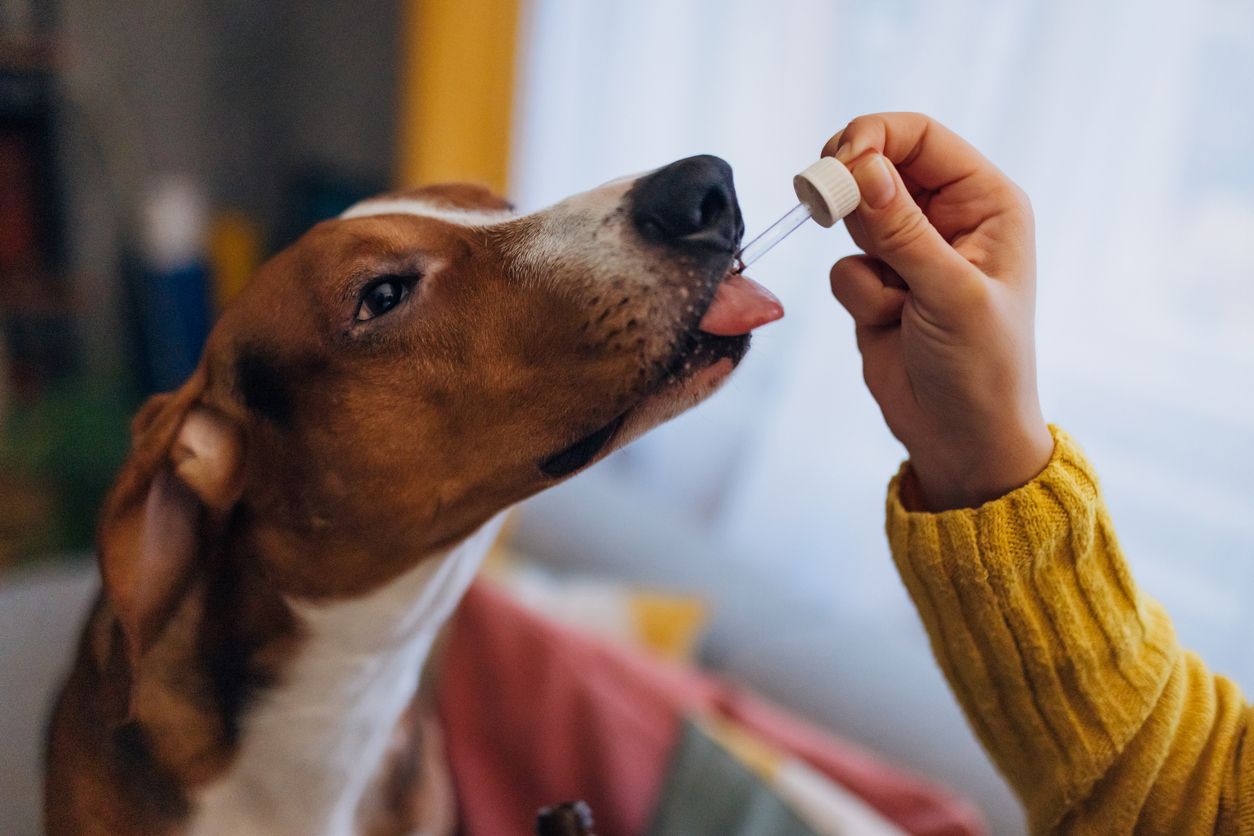
Some home remedies and natural products can actually make a dog’s allergy symptoms worse. Ingredients that seem harmless, like essential oils, vinegar, or certain herbs, can irritate sensitive skin or even be toxic if ingested. Even products labeled as natural may be unsafe or contain allergens, preservatives, or fragrances that trigger more itching and redness.
Without veterinary guidance, it’s easy to overlook hidden ingredients or interactions with prescription medications. For these reasons, home remedies should only be used as supportive care under veterinary supervision rather than as a substitute for evidence-based allergy treatment.
Exploring natural options often reflects genuine concern for a pet’s well-being, but it’s important to choose treatments that provide safe and effective relief. The risks of untreated or inappropriately treated allergies are very real. Complications include:
- Bacterial skin infections (pyoderma), including hot spots
- Yeast dermatitis
- Recurrent ear infections
Severe itchiness and recurring complications can have serious negative impacts on a dog’s quality of life. Reliable information and professional guidance will help ensure your dog is both comfortable and safe.
Coconut oil
Using coconut oil for dogs with allergies, either topically or orally, is a common natural remedy. Some claim that coconut oil moisturizes dry, itchy skin, reduces inflammation, and has antibacterial or antifungal benefits when applied to the coat or given orally. In reality, while coconut oil has mild moisturizing properties, it’s not proven to relieve allergic itch or inflammation in dogs. Applying it to inflamed skin can trap heat and moisture, worsening irritation or infection, and feeding it can contribute to weight gain or gastrointestinal upset. Prescription or veterinary-formulated topical moisturizers that restore the skin barrier without clogging pores or altering the skin’s natural defenses are better options for topical therapy.
Apple cider vinegar
Apple cider vinegar rinses and sprays are often promoted as natural ways to balance skin pH, reduce bacteria, and ease itching. However, there is no scientific evidence that apple cider vinegar relieves allergy symptoms in dogs. Because it’s highly acidic, it can sting and further irritate inflamed or broken skin, potentially worsening discomfort. Even diluted mixtures may be too harsh for sensitive skin. Vet-approved medicated or moisturizing shampoos are a safer and more effective way to support skin health, prevent or treat secondary skin infections, and help soothe itchy skin caused by allergies.
Raw local honey
Raw local honey is promoted as a way to desensitize dogs to local pollen and treat environmental allergies. However, there is no scientific evidence that this works for dogs. In fact, exposure to pollen in local honey may even worsen symptoms. Honey is also high in sugar, adding unnecessary calories to your dog’s diet. Instead, veterinary immunotherapy (allergy shots or drops) is an evidence-based treatment that’s customized to your dog and may condition the immune system to no longer react as badly to environmental allergens.
Essential oils
Essential oil soaks and DIY topical blends are promoted to calm inflammation, soothe skin, and naturally repel allergens. However, many essential oils and herbs can irritate or even poison dogs. There is no proven benefit from using essential oils to treat canine allergic dermatitis. Veterinary-approved topical therapies tested for dogs are a much safer alternative.
Herbal remedies
Some claim that herbal remedies, such as stinging nettle, licorice root, and echinacea, are natural antihistamines that relieve allergy symptoms in dogs. However, evidence regarding effectiveness, proper dosages, safety, and the purity of supplements is limited and inconsistent. Always check with a veterinarian before giving your dog an herbal product or over-the-counter medication, as some can interact with other medications or even be toxic.
Grain-free or “natural” diets
Some owners assume their dog is having an allergic reaction to grains in dog food when they get itchy skin. In reality, food allergies are uncommon in dogs, and grain allergies are particularly rare. Most dogs with allergies react to flea saliva or environmental allergens, such as pollen, grass, or dust mites. When dogs develop food allergies, it’s usually to animal proteins, such as beef, chicken, fish, eggs, or dairy. Working with your vet to develop a diagnostic food trial using prescription limited-ingredient diets or hydrolyzed-protein diets is the best way to identify food allergies.
The importance of getting veterinary care for allergies in dogs
If you suspect your dog has allergies, it’s important to involve a veterinarian early. Environmental and flea allergies are common in dogs, but other conditions, such as skin infections or external parasites, can cause similar symptoms. A veterinarian can determine whether allergies are truly to blame and rule out other causes.
Home remedies and natural treatments rarely provide lasting relief on their own, and in some cases, they can make things worse by doing additional harm or delaying proper care. When allergy symptoms are treated only with at-home products, the underlying problem often continues unchecked, leading to persistent itching, open sores, or secondary infections. These delays can prolong your dog’s discomfort and make the condition harder to manage later. Getting professional veterinary care early ensures treatment targets the true cause of the symptoms and provides lasting relief.
Because every dog’s allergies are different, treatment is often complex and requires a personalized approach. A vet can create a plan tailored to your dog’s specific triggers, symptoms, and overall health to keep them more comfortable over time.
How an online vet can help with your dog’s allergies
Managing canine allergies often requires regular monitoring and periodic adjustments to treatment. Virtual appointments can make it easier to stay in touch with a vet to discuss changes in symptoms and review how treatments are working.
In some cases, an online vet can prescribe allergy medications or recommend appropriate over-the-counter options. The ability to give prescriptions depends on whether a valid veterinarian-client-patient relationship (VCPR) exists. In certain states and provinces, a VCPR can be established remotely, while in others, it must begin with an in-person exam. If your pet has already been seen by a vet, follow-up virtual visits may still qualify for prescription support. Writing a prescription is always at the vet’s professional discretion.
During a virtual appointment, the vet can assess your dog’s symptoms, discuss likely causes, and outline safe and effective next steps for ongoing care.
FAQ - Options for at-home allergy relief for dogs
What can I give my dog for itching and licking their paws?
Itchy paws are one of the most common reasons dogs visit the vet. Over-the-counter antihistamines and home remedies usually don’t provide much relief because most canine itching isn’t caused by allergies alone. Environmental allergies and flea allergy dermatitis are frequent causes of itching and paw licking, but skin infections and external parasites can have the same symptoms. A veterinarian can identify what’s behind the itching and recommend safe, effective treatments to help your dog feel more comfortable.
How can I treat my dog’s skin allergies at home?
When pet parents ask how to treat allergies at home, they often mean “without going to the vet.” It’s understandable to want to help your dog feel better quickly, but lasting relief from skin allergies usually requires professional guidance. Many vet-prescribed treatments, such as allergy medications, therapeutic shampoos, and flea prevention, are given at home once the right diagnosis is made. In contrast, most over-the-counter or “natural” remedies have little proven benefit, and some can even make symptoms worse or be unsafe. Working with a veterinarian helps ensure that anything you use at home is both effective and safe for your dog.
What is a holistic treatment for my dog’s allergies?
Holistic medicine is an approach that considers the whole dog, including their overall health, environment, and lifestyle, rather than focusing only on one symptom or condition. A holistic treatment plan for allergies often combines several strategies that work together to improve comfort and skin health. This may include prescription allergy medications, strict flea control, dietary management, skin and coat supplements, gentle medicated or moisturizing baths, and other supportive therapies recommended by a veterinarian. The goal is to address both the underlying triggers and any secondary problems, such as skin irritation or infection, for more complete and lasting relief.
Disclaimer: This article, its content, and its related references do not constitute veterinary advice and should not be considered a substitute for veterinary care. If your pet is showing any symptoms that could indicate a medical emergency, please seek immediate emergency care.