The best shampoos for skin allergies in dogs


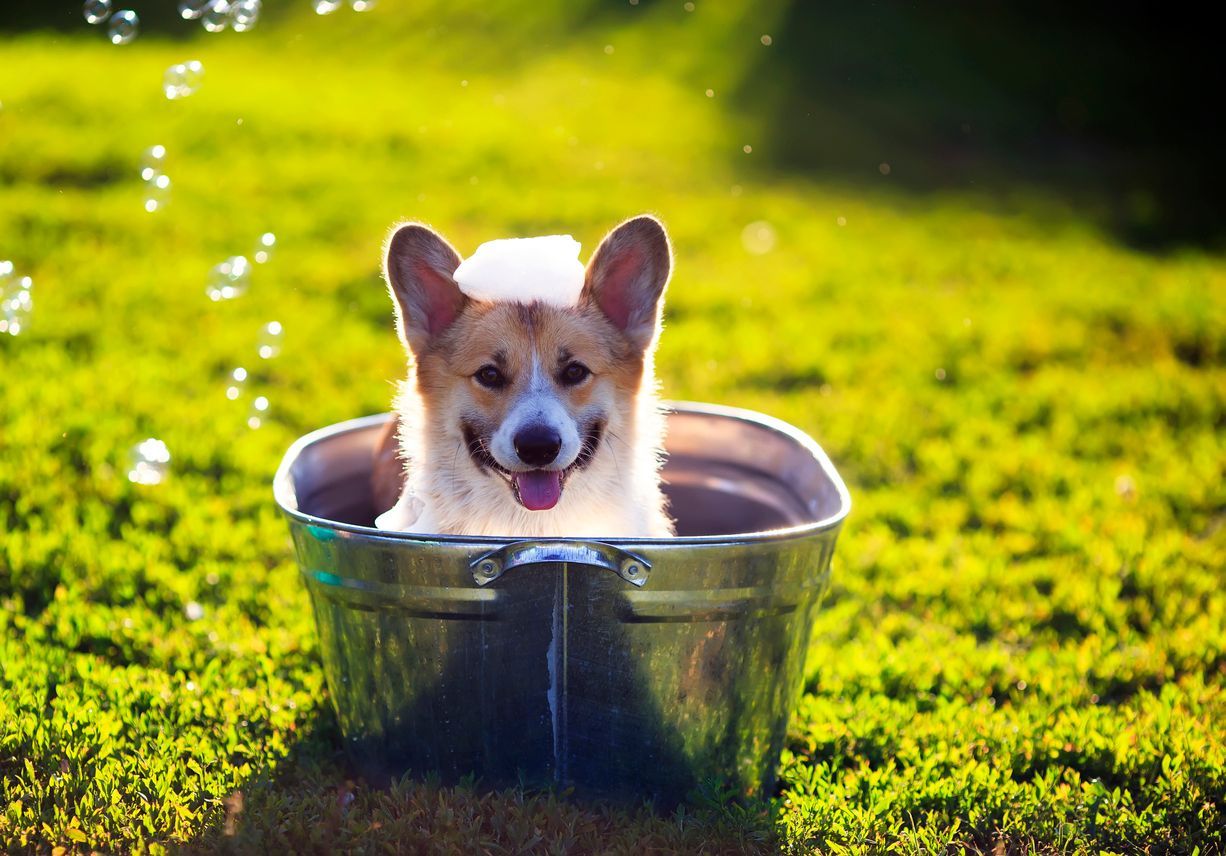
When your dog is itchy and uncomfortable because of allergies, it’s natural to consider using a shampoo to help soothe their skin and relieve symptoms. While bathing can be a beneficial part of your dog’s allergy treatment plan, some products can be irritating, drying, or even harmful to use on skin that’s raw and irritated. It’s important to talk to a veterinarian to determine whether a product may be helpful for easing your dog’s allergy symptoms. When choosing a medicated shampoo for your dog, it’s helpful to know:
- How medicated shampoo can help your dog’s itchy skin
- Which dog shampoos may be helpful for allergies
- The best way to bathe your dog who has allergies
- How a veterinarian can help your dog’s allergies
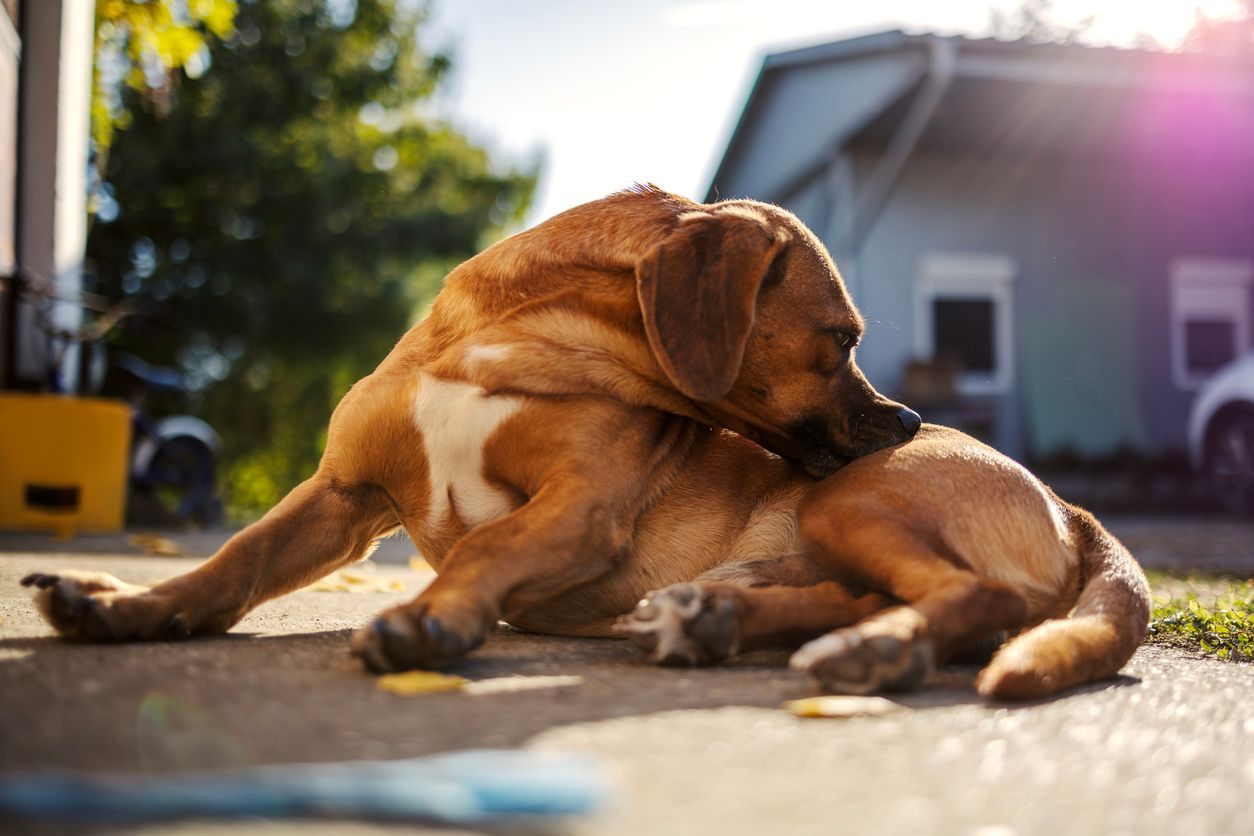
Dogs with skin allergies often scratch excessively and have damaged, irritated, dry skin. Allergy shampoos that moisturize the skin with ingredients like aloe vera and oatmeal may help restore the skin barrier and soothe irritation. Bathing can also help remove allergens, debris, and crustiness from the skin and coat. Lukewarm water is best for bathing, as hot water can strip natural oils from the skin, irritating it even further. Cold water can make bathing uncomfortable and stressful for the dog.
Bathing on its own, even with a medicated shampoo, is usually not sufficient to treat a dog’s allergy symptoms. An online vet can help pet owners by discussing their dog’s symptoms, offering professional advice on what to do next, and recommending bathing products that may ease discomfort caused by allergies.
Do medicated shampoos help dogs with allergies?
Medicated dog shampoos and other topical therapies can be a helpful part of a dog’s allergy treatment plan. However, bathing alone is not sufficient to treat a dog’s allergies, so it’s important to discuss your dog’s symptoms with a veterinary professional for an appropriate treatment plan. Also, some bathing products may be unhelpful or even further irritate already sensitive skin. A vet can help you choose a product that’s safe and beneficial.
What to look for in a dog shampoo for allergy relief
When choosing an over-the-counter (OTC) shampoo, it’s important to understand that claims on pet shampoo labels are not regulated the same way medications are. Unlike prescription products, OTC shampoos are considered cosmetic, so their labels don’t have to provide scientific evidence that the product works as advertised. This means that phrases like “anti-itch,” “hypoallergenic,” or “medicated” may not always reflect proven results.
Prescription shampoos, on the other hand, contain active ingredients that are regulated by the FDA — such as antifungals, antibacterials, or stronger anti-inflammatory compounds — and can only be prescribed by a veterinarian who has confirmed they’re appropriate for your dog’s condition. These products are backed by research and quality standards that ensure both effectiveness and safety when used as directed.
“Not all shampoos are the same,” explains Dr. Jo Myers, a veterinarian on the Vetster platform. “The best products for dogs with allergies contain specific ingredients that soothe itchy skin, restore the skin’s protective barrier, and control the bacteria or yeast infections that often make allergies worse. Knowing what these ingredients are and what they do can help you choose a shampoo that truly supports your dog’s skin health.”
Ingredients that moisturize and support the skin barrier
Ingredients that may help manage allergic skin disease in dogs by moisturizing the skin and supporting skin health include:
- Colloidal oatmeal
- Phytosphingosine
- Aloe vera
- Ceramides
- Essential fatty acids
Colloidal oatmeal and aloe vera can help soothe and hydrate irritated skin, especially when included in veterinary-labeled formulations designed for pets. Ceramides and essential fatty acids can help restore the skin’s lipid barrier, improving moisture retention and resilience against allergens and microbes. Phytosphingosine, a naturally occurring lipid, supports the regeneration of the skin barrier and can provide anti-inflammatory and antimicrobial benefits.
Antimicrobial ingredients
Antimicrobial shampoos are intended for dogs prone to secondary skin infections, which are common complications of allergic skin disease. Antimicrobial ingredients include:
- Chlorhexidine gluconate
- Miconazole or ketoconazole
Chlorhexidine is a broad-spectrum antiseptic effective against Staphylococcus pseudintermedius, the organism most often involved in canine pyoderma, and is useful for allergies that lead to bacterial overgrowth. Miconazole and ketoconazole are antifungal agents that are helpful in controlling yeast (Malassezia) overgrowth that can intensify itching, odor, and inflammation in allergic dogs.
When used as directed, antifungal and antibacterial shampoos can help treat and reduce recurrence of secondary yeast and bacterial infections, supporting healthier skin and improving the results of other allergy treatments.
Anti-itch and anti-inflammatory ingredients
Dog shampoo ingredients that can help control inflammation and itchiness include:
- Pramoxine hydrochloride
- Hydrocortisone
Pramoxine is a topical anesthetic that reduces itching. Hydrocortisone is a mild steroid that can help to control skin inflammation. Both can provide temporary relief from itching and inflammation during allergy flare-ups.
Fragrance and additive considerations
Veterinary sources recommend avoiding perfumes, dyes, and harsh detergents because they can irritate sensitive skin. Products labeled fragrance-free are often preferable to those labeled as naturally scented. Many natural ingredients added for scent, such as citrus, lavender, and tea tree oil, can irritate the skin or even be toxic to dogs. A good shampoo leaves your dog clean without added scents.
Ingredients to avoid
Human shampoos are best avoided because they’re too harsh and have the wrong pH for dogs. Alcohols, parabens, phthalates, and strong surfactants can be very drying and irritating, especially for dogs struggling with allergic skin disease. Essential oils can be unsafe to use on or around dogs.
Tips for washing your itchy dog
Use lukewarm water to bathe your dog. Hot water can dry out and irritate sensitive skin, making itchiness worse. Lukewarm or comfortably cool water helps to protect the skin barrier and makes the bath more comfortable.
Follow your veterinarian’s guidance and instructions on the product’s label to get the best results and avoid making irritation worse. Medicated shampoos vary in how often they should be used, how long they need to stay on the skin, and whether they should be paired with a conditioner.
Make sure the shampoo reaches the skin and stays in contact for the indicated amount of time. Many medicated shampoos need to sit on the skin for about five to ten minutes before being rinsed off in order to work. Gently massage through the coat so the product contacts the skin, not just the fur. Pay attention to common problem areas, like the paws, belly, and armpits.
Ask your vet about conditioners or leave-in products. Moisturizing rinses, mousses, or sprays can help repair the skin barrier between baths. Some dogs may need a combination of products as part of their allergy care plan.
Finally, consider visiting a professional groomer. This can be especially beneficial because frequent bathing is commonly recommended for allergic dogs and not all dogs enjoy baths.
Beyond dog shampoo: Topical products for dogs with allergies
Topical products for canine allergies are not limited to shampoos. A variety of other products, such as medicated wipes, mousses, sprays, and other topical treatments, can be helpful when treating skin irritation and itch.
Topical therapies are an important part of multimodal allergy care. They reduce itch, improve skin health, and help limit the need for stronger systemic medications. These products are most effective when selected and used under veterinary guidance, since the right choice depends on whether your dog’s skin issue involves itching, infection, barrier damage, or ear disease. Many options come in easy-to-use forms, like sprays, mousses, or wipes, making them more practical than frequent full baths.
Leave-in conditioners, mousses, sprays, and wipes
Leave-in products are intended to extend the benefits of medicated bathing between baths. Moisturizing products that contain colloidal oatmeal, ceramides, phytosphingosine, and essential fatty acids can help restore the skin barrier, reduce dryness, and relieve itch.
Medicated leave-in products containing ingredients such as chlorhexidine gluconate (antiseptic) and miconazole or ketoconazole (antifungal) can help treat or prevent secondary skin infections. These ingredients are often used in mousses, sprays, or wipes to target problem areas such as paws, skin folds, or localized lesions and hot spots.
Topical anti-itch/anti-inflammatory products
Hydrocortisone-based sprays, gels, or lotions can provide temporary, localized relief from redness and itching. Veterinary-specific formulations (e.g., hydrocortisone aceponate spray) are designed for skin use with minimal systemic absorption. Pramoxine-containing sprays and lotions are topical anesthetics that help to relieve itching without steroids. These products are good for hot spots or localized flare-ups and may reduce reliance on systemic corticosteroids.
Ear cleaners and treatments
Allergic dogs are prone to recurrent ear infections (otitis externa). Common topical ear products include:
- Cerumenolytics to help remove wax, debris, and allergens
- Antiseptic cleaners with chlorhexidine, ketoconazole, or lactic acid to reduce bacteria/yeast growth
- Corticosteroid ear drops to help inflammation (often combined with antifungal/antibacterial agents)
Ear treatments can help reduce the recurrence of secondary infections and help with ear discomfort and odor.
Skin barrier repair products
Topical formulations containing ceramides, essential fatty acids, and phytosphingosine can help repair skin barrier defects that are common in allergic dogs. They may also help keep allergens from penetrating the skin and improve your dog’s response to other therapies. This can provide long-term skin health support, especially if your dog has chronic allergic dermatitis.
Antimicrobial/antiseptic rinses and solutions
Chlorhexidine rinses or dilute antimicrobial soaks may be recommended for localized infections. These can be especially helpful for paws or skin folds, which are difficult to keep clean. Always follow the instructions for these rinses and ask a veterinarian before trying them.
When to talk to a vet about your dog’s allergies
It’s important to talk to a veterinarian if your dog has symptoms associated with allergies, such as:
- Itchy skin and excessive scratching
- Red, inflamed, or crusty skin
- Hair loss
- Chewing and licking at the paws
- Anal scooting
- Sneezing
- Chronic ear or skin infections
- Vomiting or diarrhea
Allergies are common in dogs, but there are many other health issues with similar symptoms. A vet can determine if your dog’s symptoms are being caused by allergies and develop an appropriate treatment plan. Treatment varies between individuals but may involve:
- Prescription medications or injections
- Baths and other topical therapies
- Over-the-counter antihistamines
- Diet change
A veterinarian can help get your dog’s allergy symptoms under control using a combination of different methods. This may or may not involve medicated shampoos or specific bathing techniques. Working with a professional groomer may be recommended.
How an online vet can help
Virtual vet appointments are a convenient way of keeping your veterinarian informed of your dog’s symptoms while treating them for allergies. Your vet may be able to adjust your dog’s treatment plan virtually as symptoms change, assist during flare-ups, and recommend topical products and shampoos that can help. An online vet can answer questions about your dog’s symptoms, what to expect when diagnosing allergies, and which bathing products may be beneficial.
FAQ - Best medicated dog shampoos for skin allergies
What shampoo is best for dogs with allergies?
The best shampoo for a dog with allergies depends on their individual skin condition. Moisturizing and barrier-supporting shampoos containing ingredients such as colloidal oatmeal, ceramides, phytosphingosine, or aloe vera can help soothe itchy, irritated skin and support skin barrier repair. For dogs prone to secondary infections, veterinarians often recommend antimicrobial shampoos containing chlorhexidine or miconazole or ketoconazole. Shampoos made for people or those that contain fragrance, alcohol, or essential oils can disrupt the skin’s natural pH and make irritation worse. Using a veterinary-labeled product ensures the ingredients and concentrations are safe and effective for canine skin.
Should I bathe my dog with skin allergies?
Bathing can be a helpful part of managing allergic skin disease in dogs. Medicated or moisturizing shampoos remove allergens, debris, and excess oil while soothing ingredients help calm irritation and support the skin barrier. Because allergic skin is often sensitive and easily irritated, the choice of shampoo and bathing frequency can make a big difference in comfort and results. Your veterinarian can recommend a product and schedule that suit your dog’s specific needs, since some dogs benefit from frequent therapeutic baths while others do better with leave-on products between baths. Using a veterinary-labeled shampoo ensures that ingredients and concentrations are appropriate for a dog with allergies and safe for long-term use.
Can I use human shampoo on my dog?
Dog skin and human skin have different pH balances. Because of this, human shampoo can be irritating and drying for dogs, especially dogs with allergic skin disease. It’s best to use a dog shampoo that’s intended for allergies or sensitive skin.
Disclaimer: This article, its content, and its related references do not constitute veterinary advice and should not be considered a substitute for veterinary care. If your pet is showing any symptoms that could indicate a medical emergency, please seek immediate emergency care.