Role of nutritional deficiency in excessive shedding in cats


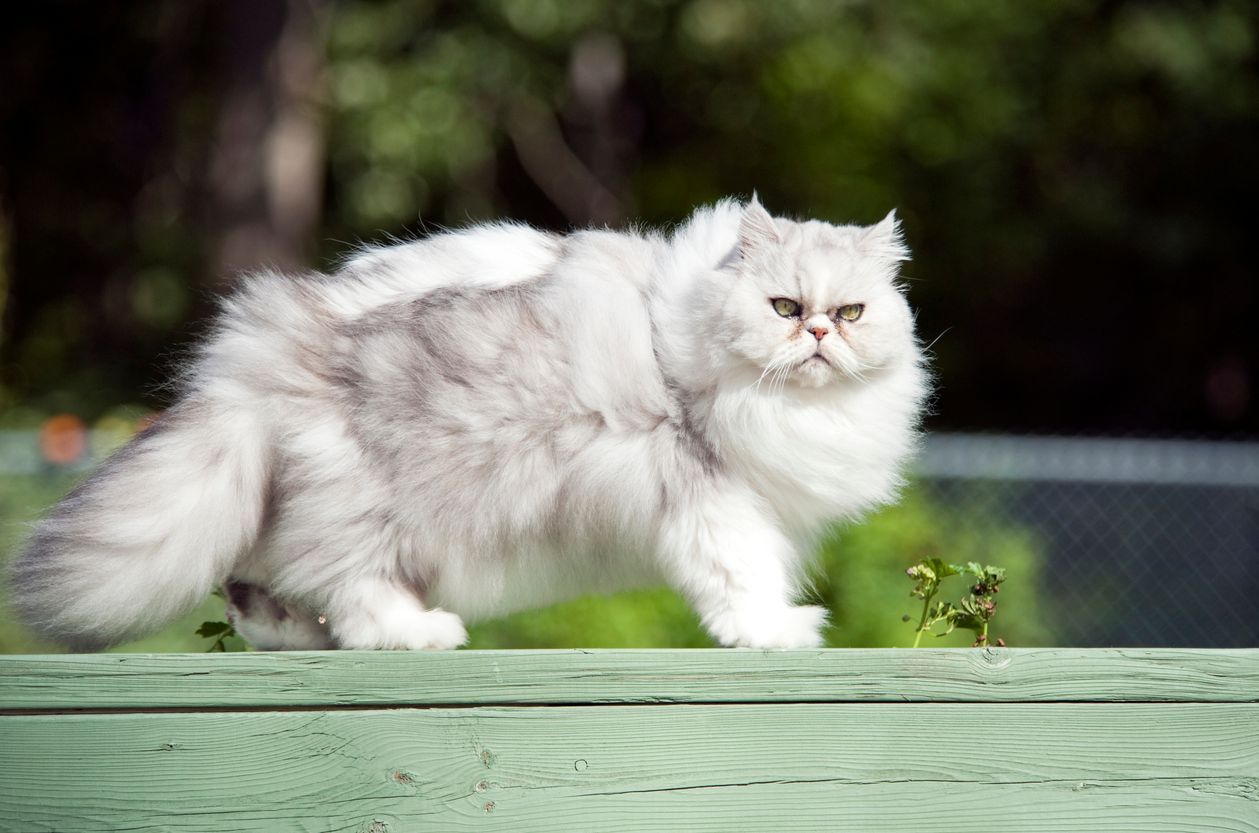
Shedding is a healthy and normal process in cats, involving dead hair being replaced with new, healthy hair — even if it sometimes seems excessive. It’s common for cat owners to wonder how much shedding is too much and what can be done to reduce or prevent it. Regardless of how excessive it may seem, shedding is usually normal unless it’s accompanied by patchy bald spots, hair thinning, or changes to the skin. If your cat sheds excessively, read on to learn more about:
- How cats get nutritional deficiencies
- Signs of abnormal shedding in cats
- Diagnosis and treatment of skin and coat issues in cats
- How diet plays a role in a cat’s healthy skin and coat
Health issues that commonly cause abnormal hair shedding in cats include external parasites, allergies, kidney disease, and skin infections. While diet plays a role in the health of a cat’s skin and coat, nutritional deficiencies are uncommon in healthy cats and are rarely the cause of abnormal shedding.
The key to effective prevention and treatment of excessive shedding is identifying when it’s abnormal and uncovering the reason behind it. Pinpointing the cause is the first step in knowing how to help your cat, whether that involves addressing a medical condition, managing environmental triggers, or supporting overall health through preventative care and proper nutrition.
What is a nutritional deficiency?
It’s important to understand the difference between nutritional deficiencies and nutrient deficiencies. A nutritional deficiency suggests the diet is lacking essential nutrients, while a nutrient deficiency refers to a lack of a nutrient in a cat’s system. Nutrient deficiencies in cats are usually due to an underlying illness affecting the absorption, utilization, or elimination of nutrients, even when the diet is complete.
An otherwise healthy cat may develop a nutritional deficiency due to being fed an unbalanced or inappropriate diet. The easiest way to tell if your cat’s food is nutritionally complete and balanced is to look for an AAFCO statement of nutritional adequacy on the label. When a cat is fed an inappropriate diet, over time, nutritional deficiencies can develop and affect nearly all parts of the body, including the hair and skin.
Cats at risk for nutritional deficiencies
The best way to prevent nutritional deficiencies is to feed a complete and balanced diet. “The list of ingredients and the guaranteed analysis on a cat food label don’t really tell you anything about the quality of the diet, including if it is well balanced and contains all of the essential nutrients your cat needs,” explains Dr. Jo Myers, a veterinarian on the Vetster platform. “The best way to know if a diet is complete and balanced is by checking the label for the AAFCO statement of nutritional adequacy. It’s usually in a small box of fine print stating that the food is formulated to meet the nutritional levels established by AAFCO.”
Unbalanced or poor diets that may lead to a deficiency include:
- Homemade diets formulated without the help of a veterinary nutritionist
- Foods without the AAFCO statement of nutritional adequacy, such as snacks, treats, toppers, and mixers
Even though they’re eating a nutritionally complete and balanced diet, some cats may still develop nutrient deficiencies that affect hair growth and shedding. This is often due to an underlying medical condition, especially if the condition is undiagnosed or poorly managed. These conditions may include:
- Intestinal parasites
- Kidney disease
- Diabetes mellitus
- Hyperthyroidism
- GI disorders, such as inflammatory bowel disease
- Pancreatitis
- Exocrine pancreatic insufficiency
- Fatty liver disease (hepatic lipidosis)
These health conditions are likely to lead to a nutrient deficiency if they’re undiagnosed or poorly managed. Unless a cat has an underlying medical issue, they’re extremely unlikely to have a deficiency if they’re eating the correct portion size for their life stage of commercial diets with the AAFCO statement on the label.
Signs of abnormal shedding in cats
Shedding is a normal and healthy process in cats. Cats can shed consistently throughout the year or in large amounts in the fall and spring, known as seasonal shedding. Seasonal shedding occurs when a cat sheds their heavier winter coat for a lighter, cooler summer coat. Normal, healthy shedding may result in an excessive amount of shed hair, which can alarm some cat owners. Regardless of how alarming the amount of shedding may seem, it’s unlikely to be abnormal as long as there aren’t other symptoms, such as:
- Bald spots or patches of abnormally thin hair (alopecia)
- Itchy skin
- Excessive grooming
- Tearing out or chewing of hair
- Red and irritated, or crusty or flaky skin
- Skin sores or lesions
- Foul-smelling skin
- Overly greasy fur
If you’re unsure if your cat’s shedding is normal and healthy, it’s best to talk to a veterinarian. A virtual vet appointment is a great tool for allowing a vet to virtually examine your cat’s fur and skin, discussing your cat’s symptoms, and talking about their diet without the need for travel, especially for cats who are easily stressed by car rides or clinic visits. In some cases, an in-person exam may still be necessary, but virtual care is a helpful first step. A veterinarian is also an excellent source of information on the best steps to take to prevent excessive shedding in your specific situation.
Other causes of hair loss and excessive shedding in cats
Nutritional deficiencies are rare in cats and are an unlikely cause of excessive or abnormal shedding. Other, more common causes of abnormal hair loss in cats include:
- Flea allergy dermatitis, food allergies, and environmental allergies
- Mange, scabies, and other external parasites
- Ringworm and other skin infections
- Overgrooming due to stress or anxiety disorders
- Injuries, such as burns and abrasions
- Endocrine disorders, such as hyperthyroidism and Cushing’s disease
- Autoimmune skin disorders (pemphigus)
- Hereditary alopecia
These are only a few examples of health conditions that may cause hair loss or poor coat health in your cat. With this in mind, the best way to help prevent abnormal shedding and maintain a healthy coat is to support your cat’s overall health. This includes staying up to date on routine veterinary care (such as vaccinations, deworming, and flea and tick prevention), feeding a complete and balanced diet, and effectively managing any chronic health conditions your cat may have.
Treatment of abnormal shedding and hair loss in cats
While it’s natural to wonder if something is missing from your cat’s diet when their shedding seems excessive, changing their food or adding a supplement isn’t the best first step. Instead, it’s important to first determine whether the shedding is actually abnormal. If it is, the next step is identifying the underlying cause, which is essential for finding the right treatment.
When a cat has bald spots or hair thinning, breakage, or loss, a vet usually starts with a thorough physical examination and history. Diagnostic testing may be recommended based on the exam findings to determine the underlying issue. Testing may include:
- Examining skin and hair samples under a microscope (cytology)
- Blood work
- Wood’s lamp evaluation
- Fungal or bacterial culture
- Skin biopsy
A therapeutic trial of flea prevention may be recommended before extensive lab tests are done. Flea allergy dermatitis is common, even if there are no obvious fleas or flea bites. Indoor cats can have flea allergy dermatitis even if they don’t go outdoors. If food allergies are suspected, an elimination diet may be recommended to identify the problematic ingredient(s).
Once the underlying health issue is identified, recommended treatment may include:
- Parasite treatment and prevention
- Antibiotic or antifungal medications
- Allergy medications
- Change in diet (if food allergies are suspected)
- Treatment of injuries
- Management of chronic diseases
It’s important to get an accurate diagnosis from a veterinarian before attempting to treat a cat’s excessive hair loss. There are many different medical issues that can lead to skin and coat symptoms, requiring different treatment methods.
How diet affects cat hair health
While most cases of abnormal shedding in cats are unrelated to diet, there are several nutrients that are required for healthy hair growth. These include:
Cat hair is primarily made of proteins. A lack of protein, along with poor quality or digestibility, can affect the quality of a cat’s coat and how hair grows. Various vitamins and minerals, such as vitamin A, E, B12, and zinc, are vital to coat health, helping to regulate cell growth in the hair and skin. Lastly, fatty acids are essential for skin health in cats, and a deficiency in certain omega fatty acids can indirectly cause hair loss by affecting the skin in ways that disrupt hair growth.
Ensuring optimal coat health starts with preventative care. Feeding your cat a diet formulated to meet AAFCO nutritional standards for their life stage is one of the best ways to prevent hair loss caused by dietary imbalances. Combined with regular veterinary checkups and prompt management of any underlying health conditions, good nutrition plays an important role in preventing skin and coat problems.
What to do if your cat is shedding excessively
If you're concerned about how much your cat is shedding, even if they seem otherwise healthy, it’s a good idea to talk to a veterinarian. In many cases, shedding that appears excessive is still within the range of normal. But if the shedding is abnormal, it may be a sign of an underlying health issue. Conditions like allergies, parasites, and skin infections are much more common causes of abnormal shedding than nutritional deficiencies. That’s why it’s best not to start by changing your cat’s diet or adding supplements without guidance. A veterinarian can help determine whether your cat’s shedding is normal and recommend the most appropriate next steps if any treatment is needed.
If the shedding is normal but seems excessive, there are ways to make the shedding more manageable, such as:
- Regular brushing in a contained area
- Frequent cleaning and vacuuming to control loose hair in the home
- Visiting a professional groomer on a regular basis
Shedding is a normal, healthy, natural process that replaces dead hair with new growth, maintains a healthy coat, and protects cats from the heat or cold. Even though it may be undesirable, shedding is part of life with a cat. An online vet can get a thorough understanding of your situation with your cat and perform a video examination to help determine if your cat’s shedding appears normal and guide you through what to do next.
FAQ - Role of nutritional deficiency in excessive shedding in cats
What causes excessive shedding in cats?
Some cats shed a large amount of hair and are perfectly healthy. In cases where the hair loss is abnormal, the most likely culprits are skin and coat conditions such as bacterial or fungal infections, skin allergies, and parasites. Normal shedding doesn’t alter the health of the cat’s skin or coat, or cause signs of illness. If you’re unsure if your cat’s shedding is normal, talk to a veterinarian.
Can my cat’s diet affect their shedding?
While poor nutrition can affect a cat’s coat health, nutritional deficiencies are rare overall in healthy cats and are not a common cause of hair loss. Other skin and coat conditions, such as parasites, allergies, and skin infections, are much more likely to cause abnormal shedding in cats. If you want to reduce the amount of shedding you deal with from your healthy cat, start by talking to a veterinarian. While shedding is a normal process, a vet can help ensure you're doing everything possible to support your cat’s overall health, which is an important factor in maintaining a healthy coat. This includes staying up to date on vaccinations, keeping up with routine parasite prevention, feeding a complete and balanced diet appropriate for your cat’s life stage, and effectively managing any chronic health conditions your cat may have.
Can excess shedding be a sign of a health issue in cats?
Excess shedding in cats can be a sign of an underlying health issue, especially if there’s also skin irritation, spots of abnormal hair thinning or breakage, sores on the skin, itchiness, and other signs of illness. Medical problems such as allergies, external parasites, fungal or bacterial infections, extreme stress, and metabolic conditions such as kidney disease can all cause abnormal hair shedding in cats. Talk to a veterinarian for an accurate diagnosis and to determine appropriate treatment.
Disclaimer: This article, its content, and its related references do not constitute veterinary advice and should not be considered a substitute for veterinary care. If your pet is showing any symptoms that could indicate a medical emergency, please seek immediate emergency care.