Treatment options for heart failure in cats


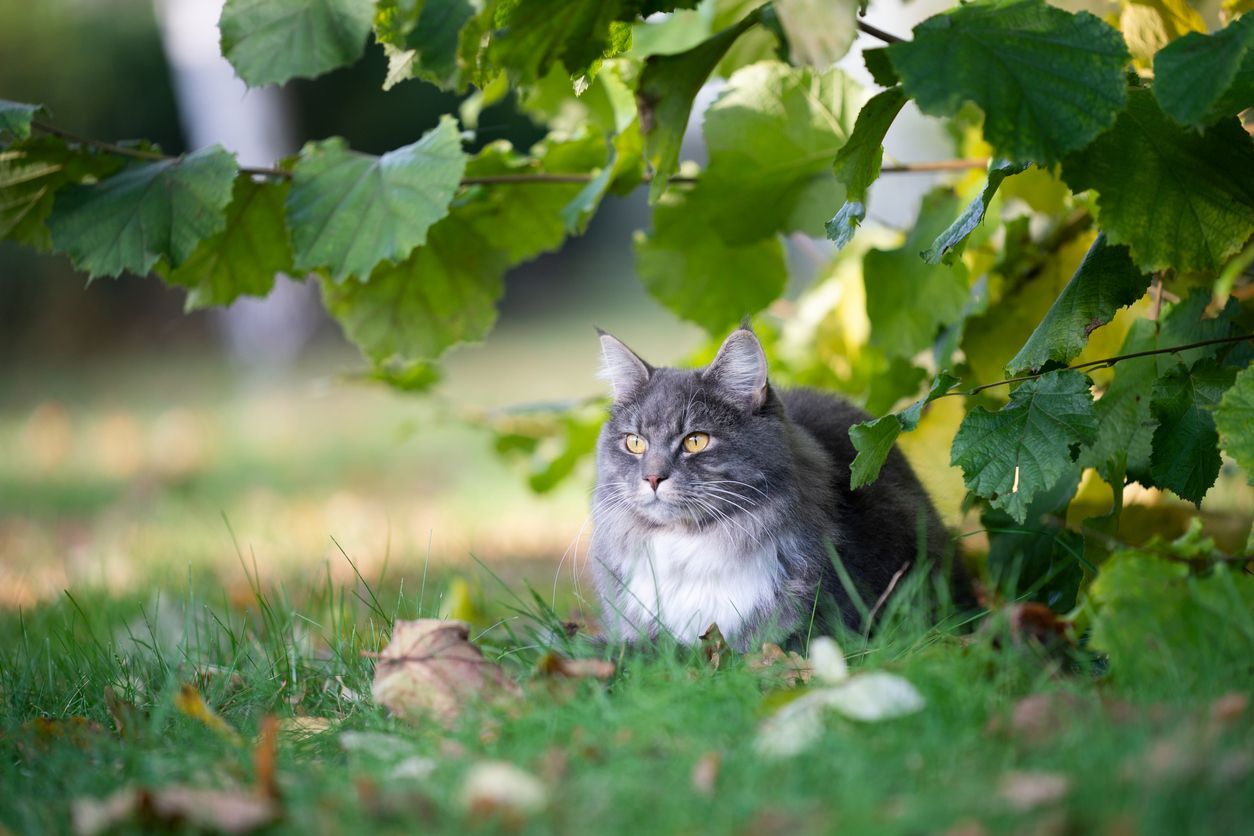
Learning your cat has heart failure can be scary, but understanding how it’s treated and managed can help. Congestive heart failure (CHF) means a cat’s heart is no longer able to pump blood well enough to keep their body supplied with oxygen. When the heart can’t keep up, pressure within the heart rises, causing fluid to leak into areas where it doesn’t belong, such as the lungs, chest, and abdomen, which can make the cat feel weak and make it difficult for them to breathe.
There are a variety of ways CHF occurs in cats, but it’s often due to another kind of heart disease progressing to the point of heart failure. Treatment for heart failure in cats focuses on improving cardiac function, managing symptoms, and limiting fluid buildup in the body. To help you understand how it’s treated, we’ll cover:
- What causes heart failure
- The clinical signs of heart failure
- How heart failure is diagnosed
- How heart failure is managed in a hospital and at home
Although CHF is a serious, progressive condition, many cats comfortably live for months to years with proper care. Quality of life can be improved and maintained with the right treatment plan. Treatment changes over time as the disease progresses and symptoms change. Online veterinary appointments can be helpful to owners of cats with heart failure by providing a low-stress way to consult a vet, monitor your cat’s symptoms, and alter medication as symptoms change.
What is heart failure in cats?
Congestive heart failure (CHF) is a syndrome rather than a specific disease, meaning it’s a recognizable pattern of signs that occur with many different diseases that interfere with cardiac and circulatory system function. CHF leads to:
- Poor circulation and a lack of oxygen delivered to organs throughout the body
- Pressure buildup within the heart
- Leakage of fluid outside the circulatory system, such as into the lungs (pulmonary edema), chest cavity (pleural effusion), and abdominal cavity
Unlike a heart attack (myocardial infarction), which is a sudden blockage of blood flow and is uncommon in cats, and cardiac arrest, which means the heart stops and is an acute emergency, CHF is often a chronic condition that can be managed for months to years.
Cats are capable of adapting to decreased heart function, which means that even though the heart is weaker, the body adjusts to keep blood flowing. Your pet may have few or mild signs because the body is “compensating” with things like a faster heart rate and fluid balance changes.
At times, however, the cat cannot compensate and fluid backs up in the lungs or abdomen. Sudden and obvious signs, such as cough, fast or hard breathing, tiredness, restlessness at night, fainting, or a swollen belly, indicate decompensated CHF. A cat can move between these states, and treatment aims to keep heart failure compensated and to prevent or reverse decompensation.
Cats most often develop CHF after another heart disease has advanced. Feline heart diseases, or cardiomyopathies, that can lead to heart failure include:
- Hypertrophic cardiomyopathy (HCM)
- Dilated cardiomyopathy (DCM)
- Restrictive cardiomyopathy (RCM)
- Congenital heart defects
- Tumors on or around the heart
- Heartworm disease
HCM is the most common form of heart disease in cats and the most common cause of congestive heart failure. DCM, RCM, congenital heart defects, heart tumors, and heartworm disease are uncommon in cats.
Occasionally, feline heart failure results from other, non-cardiac diseases, such as hyperthyroidism and chronic kidney disease, which can lead to high blood pressure (hypertension) and, potentially, eventual heart failure.
Signs of feline heart failure
Symptoms of congestive heart failure in cats can vary depending on the type and severity of the disease, and which part of the heart is affected. The most common clinical signs include:
“Cats with heart failure may seem less playful or active than usual,” explains Dr. Jo Myers, a veterinarian on the Vetster platform. “They might tire quickly, sleep more, or avoid activities they once did easily, such as chasing toys, climbing stairs, or jumping onto furniture.”
Other symptoms may include:
- Lethargy
- Loss of appetite and weight loss
- Swollen abdomen (abdominal distension)
- Coughing (uncommon)
These symptoms are not unique to CHF, so diagnostic tests are necessary to know how to treat your cat if they’re showing any of these signs. Coughing is a very uncommon sign of heart failure in cats. If your cat is coughing, it’s more likely to be due to a respiratory issue, such as asthma or bronchitis.
Diagnosing heart failure in cats
The diagnostic process starts with a physical examination and complete patient history. After this initial exam, diagnostic testing is necessary to determine:
- The presence of heart failure
- How severe the failure is
- What underlying condition is responsible for the heart failure
Diagnostic tests may include:
- Blood tests
- Blood pressure monitoring
- Chest X-rays
- Ultrasound of the heart (echocardiogram)
- Electrocardiogram (ECG)
Additional testing may be recommended to diagnose underlying health problems that may have contributed to the heart failure, such as urinalysis or specialized blood tests. Depending on test results, consultation with a veterinary cardiologist may be recommended.
Treatment for cats with heart failure
Symptoms of congestive heart failure (CHF) in cats are often subtle and difficult to detect at home until they become severe. Often, a stressor causes a cat to decompensate, causing the heart failure to suddenly become worse. When this happens, cats often show severe, emergency symptoms, like:
- Difficulty breathing
- Rapid or open-mouth breathing
- Collapse
In many cases, CHF goes undetected until it becomes an emergency. When this happens, cats often require stabilization at a hospital until they’re strong enough to withstand the stress of being handled for diagnostic testing. Stabilization may involve:
- Oxygen therapy
- Medication
- Manual drainage of fluid buildup in the chest/abdomen
Medications used to treat feline congestive heart failure include:
- Furosemide or torsemide: Diuretics that help the body get rid of excess fluid buildup
- Pimobendan: Helps the heart beat more effectively and reduces strain on heart muscle
- ACE inhibitors: To lower pressure within blood vessels, making it easier for the heart to pump blood
- Clopidogrel: A blood thinner that reduces the risk of dangerous blood clots
- Beta blockers: To cause the heart to beat more slowly and less forcefully
- Calcium channel blockers: To relax blood vessels and slow heart rate
These medications are examples of what may be considered. Selection, dosing, and any combinations are individualized by the attending veterinarian based on your cat’s diagnosis, any other conditions your cat may have, and their response to treatment. Other supportive medications, such as those to control high blood pressure or manage thyroid disease, may be recommended depending on your cat’s underlying condition. The use of blood thinners also helps, preventing blood clots from forming and leading to dangerous conditions such as saddle thrombus (aortic thromboembolism).
Prognosis varies overall, but CHF is progressive and ultimately fatal. Treatment of CHF is meant to relieve symptoms and improve quality of life rather than be curative. Treatment also targets any underlying condition contributing to heart failure. While hypertrophic cardiomyopathy (HCM) itself can’t be cured, medications for CHF can often control symptoms for months to years, helping many cats maintain a good quality of life.
How to care for cats in heart failure at home
Once your cat’s condition is stable, your veterinarian may give you instructions on how to help manage your cat’s congestive heart failure (CHF) at home. Home care may involve:
- Heart medications
- Medications to manage symptoms
- Changing food to a low-sodium diet
Home care may change over time as the heart failure progresses and your cat’s symptoms change. It’s important to closely follow your vet’s recommendations for treatment and not attempt to change your cat’s medications or add additional medications or supplements without consulting them first. Drugs and supplements can interact with each other in negative ways and may not be safe to use. Your vet may also have you monitor your cat’s breathing rate while they’re at rest or sleeping. An increased breathing rate may mean the condition is getting worse or the medications are no longer working.
How a virtual vet can help cats with heart disease
A virtual veterinarian can help with your cat’s heart disease management in the long term by:
- Helping to monitor symptoms in convenient, online appointments
- Adjusting medication and dosages as needed
- Limiting stress that an in-person visit may cause for your cat
Stress can make breathing difficulties worse for cats, so virtual appointments are a great way to keep in touch with a vet about your cat’s condition in an easy, low-stress way.
FAQ - Treatment options for heart failure in cats
How long can a cat live with heart failure?
Survival times for cats with congestive heart failure (CHF) vary widely depending on the severity of the failure, the underlying cause of the failure, and the cat’s response to treatment. With appropriate treatment and monitoring, some cases of heart failure can be successfully managed for months to years, whereas in other cases, the condition may be too advanced at the time of diagnosis for the cat to respond to therapy. Many cases of CHF in cats go unnoticed until the heart disease is severe and needs emergency stabilization in a hospital before the cat is well enough to go home. Periods of stability can be interrupted by sudden decompensation that requires hospital care.
How is congestive heart failure treated in cats?
Treatment for congestive heart failure (CHF) in cats combines medications to reduce fluid buildup and support heart function, management of contributing conditions, and symptom-focused care. During flare-ups, hospital stabilization with oxygen, diuretics, and therapeutic fluid drainage may be needed. Once stable, most care happens at home with prescribed drugs. A combination of home monitoring and rechecks at a clinic is usually part of the plan, and regular follow-ups with your vet allow for changes in medication dosages and other adjustments to your cat’s care as the disease evolves. CHF is progressive and not curable, but many cats maintain good quality of life for months to years with consistent, well-monitored care. Treatment for heart failure in cats focuses on improving quality of life rather than curing the disease.
Can I help my cat with heart failure at home?
A veterinary visit is necessary to establish a diagnosis of heart failure in cats, but if your cat’s condition is stable, most therapy takes place at home. Home and hospital care complement each other. At home, care typically includes giving prescribed medications, following a veterinarian-recommended diet, and tracking your cat’s appetite, energy, weight, and resting or sleeping breathing rate. Scheduled check-ins and periodic testing help keep your cat’s treatment plan safe and effective.
Disclaimer: This article, its content, and its related references do not constitute veterinary advice and should not be considered a substitute for veterinary care. If your pet is showing any symptoms that could indicate a medical emergency, please seek immediate emergency care.