Nutritional deficiencies and hair loss in dogs

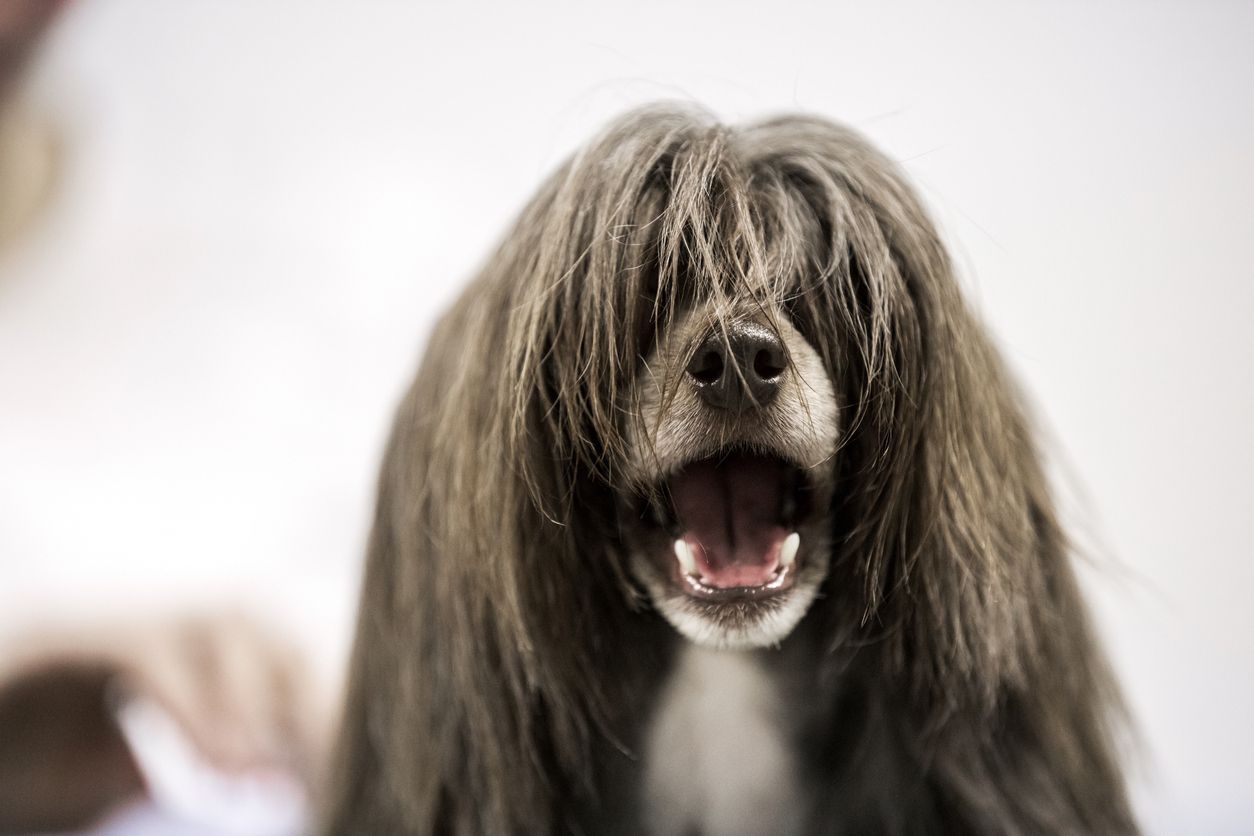
Shedding is normal and healthy in dogs, even if the amount of fur being shed seems excessive. Owners often worry when their dog sheds heavily, as some dogs can lose a seemingly alarming amount of hair. Heavy shedding does not necessarily mean your dog has something missing in their diet or needs a different food. While nutritional deficiencies can result in hair loss in dogs, other conditions, such as flea or food allergies, infections, or other diseases, are much more common reasons. If you’re wondering how your dog’s diet may or may not be affecting their coat health, read on to learn:
- What nutritional deficiencies are and how to prevent them
- What abnormal shedding can look like in dogs
- How abnormal shedding and hair loss are diagnosed and treated
- How a dog’s diet affects their coat health and is used to treat abnormal shedding
While it’s possible for a diet lacking in essential nutrients to lead to abnormal shedding in dogs, it’s rare. Nutritional deficiencies are uncommon overall, especially in dogs eating a typical commercial diet. When they do occur, nutrient deficiencies are usually caused by an underlying health issue affecting how a nutrient is absorbed, utilized, or expelled from the body. That means a dog who appears otherwise healthy is unlikely to be lacking any essential nutrients. Treatment options for abnormal shedding vary depending on the underlying cause. A diet change may be recommended if a food allergy is suspected or if the affected dog is not eating a complete and balanced diet.
What is a nutritional deficiency?
A nutritional deficiency is a health condition in which a dog’s diet lacks an essential nutrient to the point that it disrupts normal bodily functions and affects overall health. In other words, the dog is deficient in an essential nutrient because there is not enough of it in their food.
Dietary deficiencies are rare in otherwise healthy dogs eating most commercially available foods. Health issues due to a lack of an essential nutrient are usually caused by an underlying medical condition that affects the absorption, utilization, or excretion of a nutrient rather than an issue with the dog’s diet. Commercial diets with a statement of nutritional adequacy from the Association of American Feed Control Officials (AAFCO) on the label are formulated to be nutritionally complete and balanced for most healthy dogs. Finding this statement on commercial food is the best way to know if a pet’s food is nutritionally complete and to prevent nutritional deficiencies.
A low blood level of a particular nutrient does not necessarily indicate a deficiency. The body has regulatory mechanisms in place to maintain blood levels of certain nutrients regardless of dietary intake.
When it comes to hair loss or bald spots in dogs, true nutritional deficiencies play a relatively minor role. Most cases are caused by other underlying health conditions.
Dogs at risk for nutrient deficiencies
“When a dog is shedding more than usual, some pet parents may be concerned that there is a problem with their dog’s diet,” explains Dr. Jo Myers, a veterinarian on the Vetster platform. “While nutrition can impact a dog’s skin and coat health, it’s important to remember that nutrient deficiencies are rare in healthy dogs. There is little risk of deficiency unless a dog is sick or eating some type of unusual diet.”
Most nutrient deficiencies in dogs are caused by an underlying health condition that affects how nutrients are absorbed from the digestive tract, utilized by the body, or expelled through the urine or feces. Medical conditions that can lead to nutrient deficiencies include:
- Intestinal parasites
- Diabetes mellitus
- GI conditions, such as inflammatory bowel disease
- Pancreatitis
- Infectious disease, such as parvovirus
- Kidney disease
- Hypothyroidism
- Exocrine pancreatic insufficiency
- Lymphoma
Less commonly, nutrient deficiencies may occur in otherwise healthy dogs due to an incomplete, unbalanced, or unhealthy diet, These include:
- Diets of mostly treats, table scraps, and other snacks
- Homemade diets made without the help of a veterinary nutritionist
- Diets without the AAFCO statement of nutritional adequacy
To prevent diet-related hair loss, ensure you are feeding your dog a balanced diet with the AAFCO statement of nutritional adequacy on the label. If a food is labeled as a supplement, topper, mixer, snack, treat, or base, it usually means it isn’t intended to be used as a dog’s regular diet, so it’s unlikely to meet AAFCO nutritional standards. This may include some boutique, exotic, or premium-brand foods. While these options may seem like a step up in quality, they aren’t always formulated to meet a dog’s complete nutritional needs. Always check the label for the AAFCO statement to ensure the food is balanced and appropriate for long-term feeding.
When shedding qualifies as abnormal in dogs
Shedding in dogs is usually normal and healthy, even if it seems excessive. Excessive shedding or hair loss is most likely to be abnormal if there are additional clinical signs, such as:
- Bald spots or patches of abnormally thin hair
- Itchy skin
- Flaky, scabby, or scaly skin
- Red, inflamed skin or rash
- Sores or skin lesions
- Abnormally dull coat or hair breakage
- Foul odor on the skin
Normal shedding, even if it seems excessive, does not leave bald spots or other skin changes. Some dogs may shed a large amount of hair in the spring and fall months. This is known as seasonal shedding. Others may shed consistently year-round. If your dog’s shedding seems heavier than normal or is accompanied by other clinical signs, it could be a sign of an underlying health condition requiring veterinary attention.
Treatment options vary depending on the underlying cause, which can include a range of health issues, such as allergies, skin infections, parasites, and hormonal imbalances like thyroid disease. A problem with a dog’s diet is rarely the primary cause of abnormal shedding, but therapeutic nutrition can support coat and skin health as part of an overall treatment plan. An online vet can help identify the underlying cause of abnormal or excessive shedding, which is the first step toward knowing how to prevent or treat it.
Common causes of abnormal shedding and loss of hair
Abnormal shedding and loss of hair can have many different causes. In order to effectively treat the problem, an accurate diagnosis needs to be made by a veterinarian. Health issues that may cause abnormal changes to the skin or hair include:
- Bacterial or fungal skin infections, such as hot spots or ringworm
- Food, flea, or environmental allergies
- External parasites
- Injuries, such as burns and abrasions
- Endocrine disorders, such as hypothyroidism
- Skin cancer
- Genetic skin or hair disorders
Addressing the root cause of any symptoms is crucial in determining appropriate treatment. While nutrition is rarely the cause of poor skin or coat condition, it can be used as part of a treatment plan for another health issue.
Treating abnormal shedding and hair loss in dogs
The first step in knowing how to treat a dog’s symptoms is knowing what’s causing them. Your vet will start by asking about your dog’s history, assessing their symptoms, and performing a thorough physical examination. Based on the exam and your dog’s history and symptoms, diagnostic testing may be recommended to better understand what is going on. Testing may include:
- Examining skin and hair samples under a microscope (skin scrapes and cytology)
- Blood work
- Wood’s lamp evaluation
- Fungal or bacterial culture
- Skin biopsy
If your dog is not already on a veterinary-approved method of flea control, a therapeutic trial of flea treatment may be recommended before extensive testing is done. Flea allergy dermatitis is very common in dogs and can cause symptoms like hair loss, even when there aren’t obvious signs of fleas.
A change in diet may be recommended if a food allergy is suspected. While true dietary deficiencies are rare in otherwise healthy dogs, a diet change or the addition of nutritional supplements may still be recommended as part of a broader treatment plan. In these cases, the goal isn't to correct a deficiency caused by the food itself but rather to help manage other underlying medical issues, such as allergies, chronic skin conditions, or digestive disorders, which can all contribute to abnormal shedding. Even when a dog is eating a nutritionally complete diet, targeted nutrition can still play a supportive role in skin and coat health.
Depending on the underlying cause of the symptoms, additional therapies may include:
- Medicated shampoos or other topical treatments
- Antibiotic or antifungal medications
- Anti-itch medication
- Anti-inflammatories
- Treatment of injuries
- Management of chronic diseases, such as Cushing’s
- Nutritional supplements
How diet affects a dog’s coat health
There are many essential nutrients a dog requires in their diet to maintain a healthy coat and skin, such as:
- Protein
- Zinc
- Vitamins A, B, and E
- Fatty acids
Hair is composed primarily of protein, so a protein deficiency can lead to abnormal hair growth or hair loss. Zinc also plays a key role in maintaining healthy skin and coat. Low zinc levels may result from certain medical conditions, poor diet, or hereditary factors. In some cases, zinc deficiency causes a condition known as zinc-responsive dermatosis.
Other essential nutrients support the replication, structural integrity, and metabolic processes of cells that are critical for healthy skin and hair. Fatty acids, for example, are important for maintaining skin barrier function and hydration. When the skin becomes unhealthy, it can lead to excessive shedding, hair that breaks easily, or hair that fails to grow properly.
Even if a dog’s diet is nutritionally complete, dietary supplementation with one or more of these nutrients may be beneficial in treating various diseases that negatively affect the skin or coat. It’s always best to talk to a veterinarian before changing your dog’s diet or adding a supplement to ensure it will be beneficial and safe to do so.
What to do if your dog’s shedding seems abnormal
It’s important to talk to a veterinarian if you notice changes in your dog’s skin or coat health. Healthy shedding, even if it seems excessive, does not result in bald spots, patches of thin or brittle hair, or skin issues. Because there are many health issues that can result in hair loss or abnormal shedding, a vet may recommend diagnostic testing after a physical exam to determine the underlying cause.
Treatment options vary depending on the underlying cause of the symptoms. Most of the time, shedding is a normal and healthy process, even if the dog seems to shed large amounts of hair. Normal shedding cannot be stopped or prevented, but there are ways to help manage excessive hair around the home, such as:
- Brushing in a contained area
- Visiting a professional groomer
- Regularly vacuuming and cleaning
Heavy shedding can be frustrating or concerning to some dog owners. An online vet can help by virtually examining a dog’s coat and discussing their symptoms, medical history, and diet to help determine if the shedding is normal. If the shedding seems abnormal, the vet can provide expert guidance on what to do next for your furry friend.
FAQ - Nutritional deficiency and hair loss in dogs
What nutrient deficiency causes hair loss in dogs?
While nutrient deficiencies are not a common cause of hair loss in dogs, deficiencies in protein, zinc, fatty acids, or vitamins A, B, or E can contribute to abnormal shedding or hair loss in dogs. These deficiencies are rare in otherwise healthy dogs eating a balanced commercial diet that meets AAFCO nutritional standards. In most cases, when a nutrient deficiency is present, it’s the result of an underlying health condition, such as gastrointestinal disease, an endocrine disorder, or certain cancers that affect how nutrients are absorbed, processed, or retained by the body. Only in rare instances is hair loss caused by a diet that lacks one or more essential nutrients.
How can I stop my dog from shedding so much?
It all depends on why your dog is shedding so much. If it’s due to an underlying health condition, identifying that and treating it is the key to minimizing shedding. If your dog is healthy and the shedding is normal – even though it seems excessive – you can manage the hair by brushing your dog in a contained room of the house, visiting a professional groomer, and cleaning and vacuuming frequently. A veterinarian or groomer can offer advice on a brush best suited for your dog’s fur type to help control shedding.
Can a vitamin deficiency cause hair loss in dogs?
While deficiencies in zinc or vitamins A, B, or E can result in clinical signs such as hair loss, poor coat condition, and skin problems, these are uncommon causes of skin and coat problems in dogs. Far more often, hair loss is the result of other underlying issues, such as allergies, infections, parasites, or hormonal imbalances. When nutrient deficiencies do occur, they’re usually due to an underlying health issue that affects how vitamins and other nutrients are absorbed, utilized, or expelled from the body, so there are usually other signs of illness. In general, vitamin deficiencies are unlikely to occur in healthy dogs eating most commercially available foods.
Disclaimer: This article, its content, and its related references do not constitute veterinary advice and should not be considered a substitute for veterinary care. If your pet is showing any symptoms that could indicate a medical emergency, please seek immediate emergency care.