Nutritional deficiencies: A risk in your dog’s weight loss?


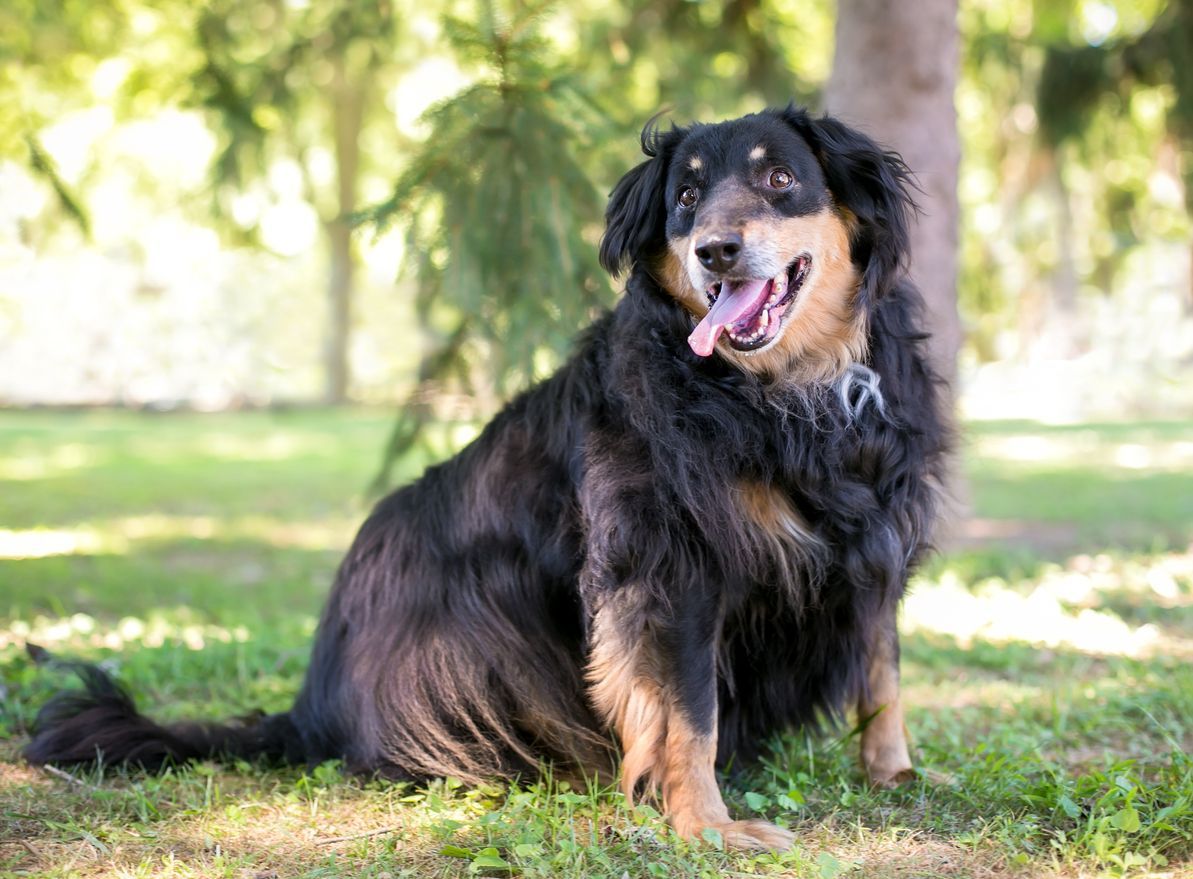
Helping your dog lose excess weight involves cutting back their daily caloric intake. However, simply offering your dog smaller portions of their regular diet can result in a nutritional deficiency in the long run, even if the food is labeled as nutritionally complete and balanced. This is because a standard portion size is used to calculate the nutritional adequacy of a diet, and cutting back on calories also cuts down on the amount of essential nutrients. If your dog is overweight, read on to learn about:
- Symptoms of nutritional deficiencies in dogs
- How limiting pet food portions can lead to nutrient deficiencies
- How veterinarians create safe weight-loss plans for dogs
Pet obesity and unhealthy weight gain are common in dogs, with over 60 percent of dogs in the United States considered overweight or obese. It’s important to work with a veterinarian to help your dog safely reach their ideal weight to ensure they’re receiving adequate nutrition as you reduce their caloric intake.
What is a nutritional deficiency?
An essential nutrient is a nutrient the body needs to support normal growth, health, or body functions but which the body doesn’t produce on its own. A nutritional deficiency occurs when a dog doesn’t have enough of one or more essential nutrients.
Nutritional deficiencies don’t usually arise from an inadequate diet. Instead, the majority of dogs with a nutritional deficiency have an underlying health condition that affects the absorption or utilization of a nutrient or that causes excessive loss of a nutrient through the stool or urine. Commercial diets with the Association of American Feed Control Officials (AAFCO) statement of nutritional adequacy on the label are nutritionally complete and balanced for the majority of dogs. Nutritional deficiencies are rare in healthy dogs that eat food that complies with the AAFCO standard.
Overweight dogs who have their portion sizes cut in an attempt to help them lose weight may develop a nutritional deficiency. When the serving size is cut, the dog is no longer receiving the same amount of essential nutrients, even if the food is well balanced. It’s important to remember that reducing portion size to limit caloric intake will also reduce the amount of nutrients the dog consumes.
Signs of nutrient deficiencies in dogs
Symptoms of nutrient deficiencies can vary depending on the specific nutrient, as different nutrients support different bodily systems. Clinical signs may include:
- Poor coat quality
- Lethargy
- Loss of muscle mass
- Persistent skin infections
- Poor wound healing
In general, nutritional deficiencies develop gradually rather than suddenly. “It typically takes several weeks or longer for the effects of a dietary change, whether beneficial or harmful, to become apparent,” explains Dr. Jo Myers, a veterinarian on the Vetster platform. “Because of this, deficiencies are rarely considered true emergencies at their onset. However, they can go unnoticed for an extended period of time and may eventually lead to serious or life-threatening health problems that require emergency care.”
Since nutritional deficiencies share symptoms with many other health issues, it’s important not to assume your dog’s diet is to blame. Talk to a veterinarian if your dog shows any signs of illness to determine and effectively treat the underlying cause of any symptoms.
How lowering caloric intake can lead to essential nutrient deficiencies
Lowering a dog’s daily calorie intake is essential to help them lose weight. However, simply reducing the portion size of their regular diet can result in a nutritional deficiency, even with a nutritionally complete and balanced diet formulated to meet AAFCO standards. Many regular diets are formulated for maintenance and are intended to keep a healthy dog at the same weight while providing adequate nutrients based on their size. Because of this, a smaller portion may not contain enough nutrients for the dog’s size.
Rather than cutting back on your dog’s normal food, a vet may recommend switching to a dog food formulated for weight loss. Weight-loss diets typically have extra fiber and fewer calories while still containing an adequate amount of nutrients. Factors such as a dog’s age, breed, activity level, and underlying health conditions can affect their nutritional requirements, so it’s important to work with a veterinarian to create a safe and successful weight-loss program based on your dog’s specific needs.
How to safely help a dog lose excess weight
Like in people, weight loss in dogs requires ingesting fewer calories than they use every day. To help a dog reach their ideal body weight, a vet may suggest:
- Switching to a weight-loss food
- Slowly decreasing portion sizes under supervision
- Feeding smaller meals more frequently throughout the day
- Increasing daily exercise and playtime
- Cutting back on treats or giving healthier, low-calorie treats
Every dog has individual needs, so it’s important to work with a veterinarian or board-certified veterinary nutritionist to ensure your dog is losing weight safely. Virtual vet appointments are an excellent resource for pet parents of overweight dogs; they allow easy, regular check-ins to monitor progress and adjust the treatment plan as needed.
Why obesity in dogs is dangerous
Dogs are considered obese when they weigh 20 percent more than their ideal weight. A dog’s healthy weight is determined by their body condition score rather than the number on a scale. Signs that your dog is a healthy weight include:
- Ribs that are easily felt without excess body fat over them
- A visible waist
- An abdominal tuck
If you’re unsure if your dog is overweight, an online vet can help.
Canine obesity negatively affects nearly every part of the body. Dogs who are overweight or obese have a shorter life expectancy and a greater risk of developing a number of diseases, including:
- Osteoarthritis
- Diabetes mellitus
- Heart disease
- Respiratory disease
- Liver and kidney disease
- Skin infections
- Pancreatitis
- Urinary conditions
- Cancer
Obesity is one of the most common health issues in pet dogs in the US and Canada. Keeping your furry friend at an ideal weight not only helps to prevent various weight-related medical conditions but also improves their overall quality of life.
FAQ - Nutritional deficiencies: A risk in your dog’s weight loss?
What causes nutritional deficiencies in dogs?
Most nutritional deficiencies in dogs are caused by an underlying health issue rather than something lacking in their food. Various conditions can affect how nutrients are absorbed, utilized, and eliminated from the body. To ensure your dog is on a healthy diet, look for the AAFCO statement of nutritional adequacy on the food’s label.
Can cutting calories lead to a nutritional deficiency in my dog?
Commercial dog foods that comply with AAFCO nutritional guidelines are formulated to provide adequate nutrition for most healthy dogs in a serving based on a dog’s size. By cutting a dog’s portion size, they are not only ingesting fewer calories but also fewer essential nutrients. It’s important to work with a veterinarian to help your dog lose weight safely while avoiding nutritional deficiencies.
What should I feed my overweight dog to help them lose weight?
Helping a dog lose weight safely usually involves either carefully reducing the portion of their current food or switching to a specially formulated weight-loss diet. Because calories are cut when reducing portion size, the amount of nutrients in that portion also goes down, which may lead to a nutrient deficiency over time. Weight-loss diets are designed to deliver the right balance of nutrients while lowering calorie intake. Always work with a veterinarian to ensure your dog is losing weight safely while still receiving the essential nutrients they need.
Disclaimer: This article, its content, and its related references do not constitute veterinary advice and should not be considered a substitute for veterinary care. If your pet is showing any symptoms that could indicate a medical emergency, please seek immediate emergency care.