How to remove ticks from your dog, cat, or horse



Finding a tick on your dog, cat, or horse can be alarming. It’s important to know how to check your pet for ticks and safely remove them in order to prevent the spread of tick-borne illnesses, minimize damage to the skin, and prevent other health complications related to tick bites. A veterinarian can help pet owners choose a safe and effective tick preventative. If you find ticks on your pet, important steps to take include:
- Removing the tick promptly and safely
- Disposing of the tick in a safe manner
- Searching for additional ticks on your pet’s body
- Talking to a vet about tick prevention
Once a tick is safely removed and disposed of, it’s important to do a thorough check of your pet’s body to find and remove any other ticks that may be hiding. A vet visit is not usually necessary unless you’re having difficulty removing the tick safely, your pet appears ill, or there are many ticks attached to your pet.
It’s normal to occasionally see ticks on pets that are on a preventive, as most tick-control products kill ticks after they bite and do not repel them. It’s best to talk to a veterinarian to more accurately assess your pet’s risk and determine what kind of prevention is best for your situation. Virtual veterinarians can also assist with real-time guidance on safe tick removal.
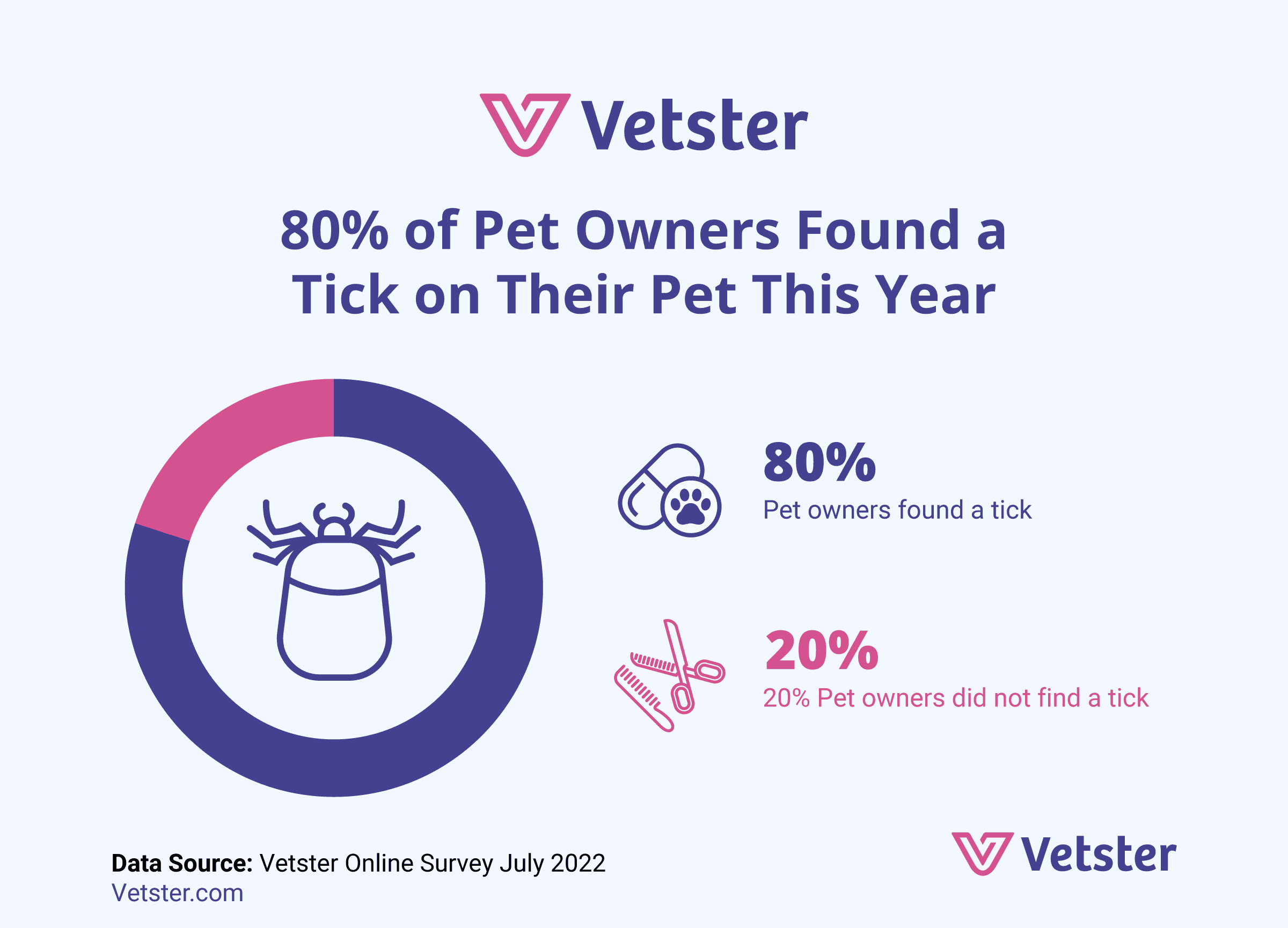
Safe tick removal
If you find a tick on your pet, it’s important to remove it promptly and safely. Ticks don’t spread disease right away when they bite, so removing a tick as soon as you find it can help prevent the transmission of tick-borne diseases. No matter what kind of pet you have, the steps to remove a tick are the same:
- Wash your hands and wear gloves.
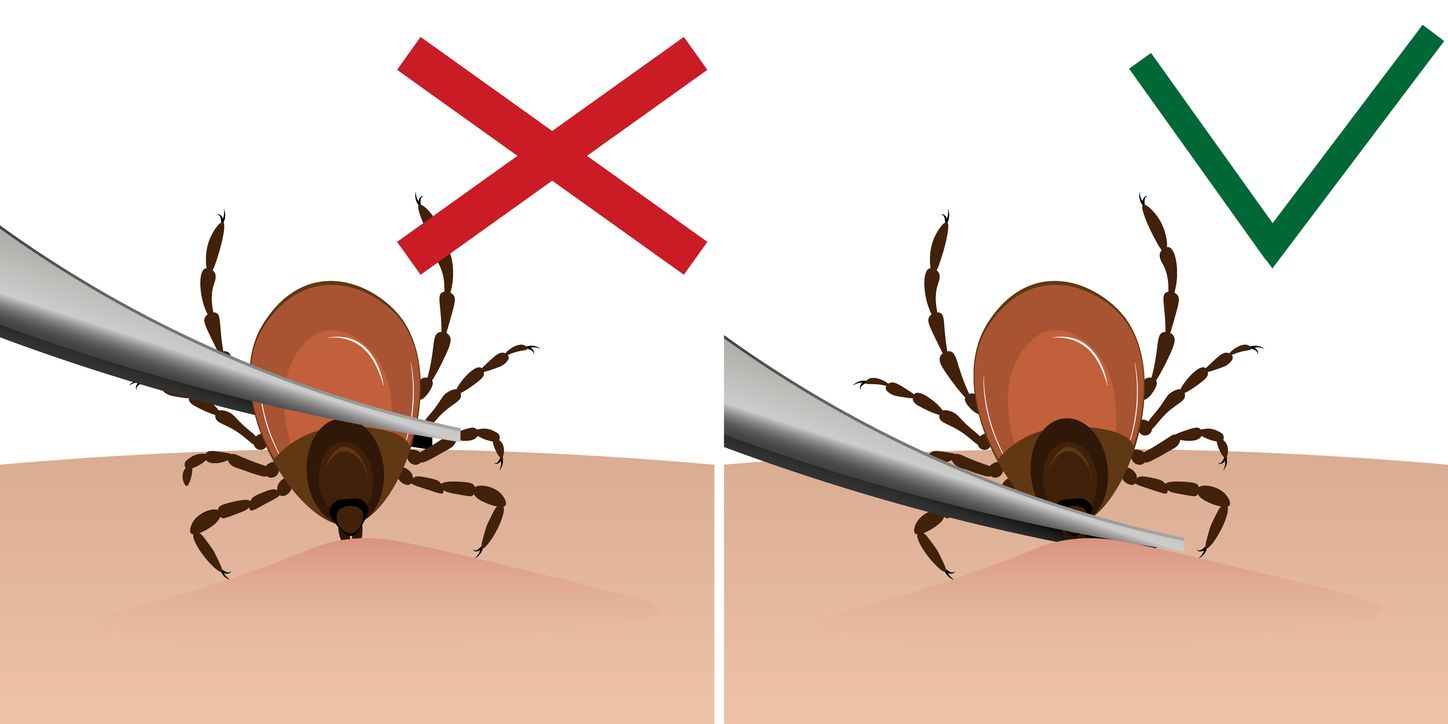
- Use a clean pair of tweezers or a tick-removal tool to grasp the tick as close to the skin as possible.
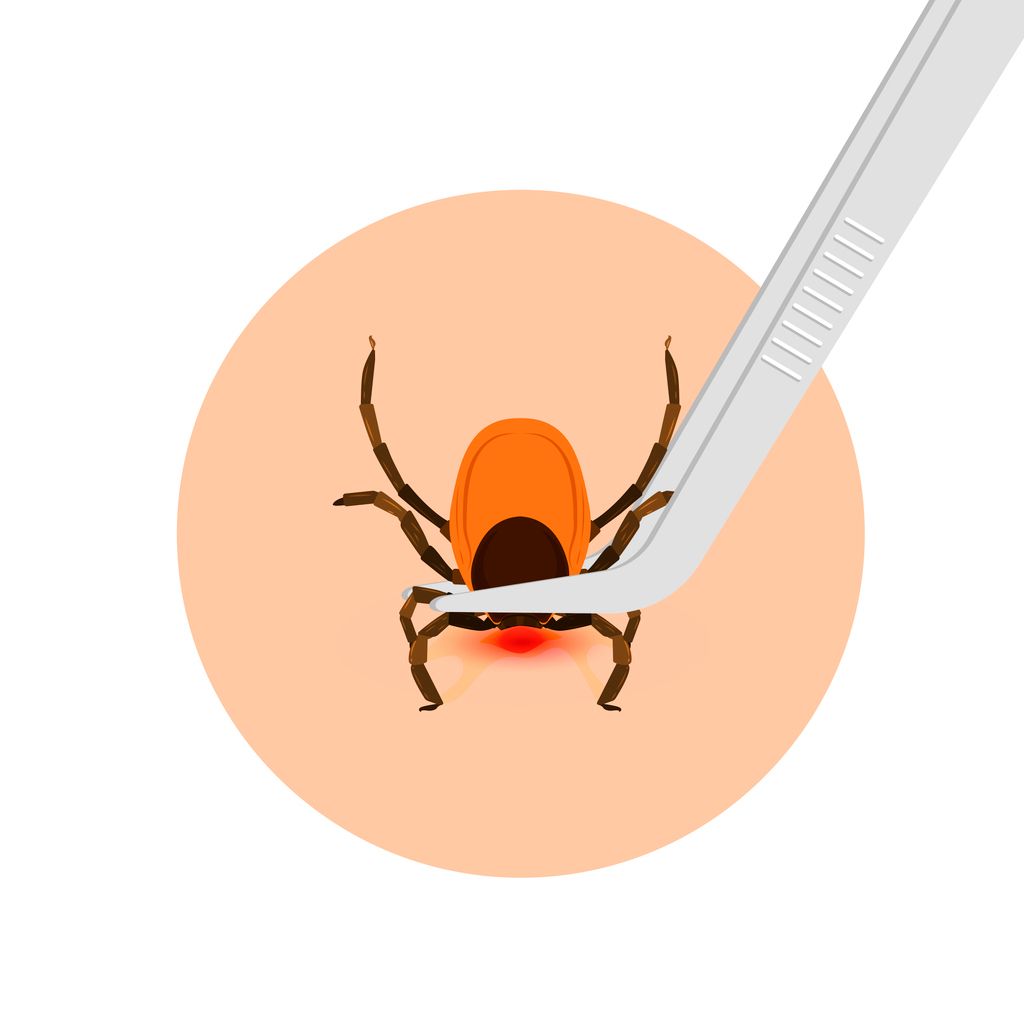
- Gently pull straight outward so the skin tents and wait for the tick to release (you may need to pull a little more if the tick isn’t letting go).
- Clean the tick bite area with soap and water, and wash your hands.
When removing an attached tick, be careful not to twist or crush it, as this can increase the risk of disease transmission. Squeezing a tick’s body can force its stomach contents, including disease-causing pathogens, into the bite wound or onto your skin. A special tick-removal tool is not necessary for safe tick removal; clean, fine-point tweezers often do the best job.
After removing the tick, avoid digging around in the bite wound, as this traumatizes the skin and increases the risk of the bite getting infected. If attempting to remove a tick from a squirmy puppy or kitten, it may help to wrap them in a towel or blanket or have someone else hold them.
Common myths about tick removal
There are a number of myths about tick removal.
Home remedies like petroleum jelly, a lit match, baby oil, or nail polish remover are unsafe and should be avoided. These methods can damage the skin more or cause a tick to regurgitate its stomach contents, increasing the risk of tick-borne disease.
It’s a myth that ticks leave their heads behind in a bite after they’ve been removed. “This myth persists because an inflamed, scabby sore with a dark spot in the center is the usual, normal result of a tick bite. It’s easy for people to misinterpret that dark center as the head of the tick,” explains Dr. Jo Myers, a veterinarian on the Vetster platform. A tick does not insert its entire head when it bites a host. Instead, it penetrates the skin with its sawlike mouthparts to attach itself. In the unlikely event that the tick breaks apart while you’re trying to remove it, avoid digging around in the wound to try to remove remaining parts. The body will naturally push out any remnants, and digging in the wound damages the skin more and increases the risk of infection.
Ticks do not transmit disease immediately after biting a host, so visiting a veterinarian immediately after removing a tick from a healthy pet is usually unnecessary. Most bites do not transmit disease, and transmission usually requires at least 12–24 hours of attachment. Even if disease-causing pathogens are transmitted while the tick is attached, that doesn’t mean the dog, cat, or horse will actually become sick, and even when tick-borne illnesses do develop, it usually takes several weeks for symptoms to become apparent. Blood tests done immediately after tick removal aren’t useful because most tests work by detecting the antibodies that develop against the tick-borne illness, which aren’t detectable for weeks.
Checking the rest of the body for ticks
After safely removing a tick from your pet, it’s important to check the rest of their body for additional ticks. It’s fairly common for a pet to have several ticks at once. Because a female tick can lay hundreds to thousands of eggs in one area, it’s easy for animals to encounter multiple ticks in one outing. While this may sound alarming, it’s not unusual, and what’s most important is removing the ticks promptly and talking to a veterinarian about prevention.
Check your pet’s body for ticks by running your fingers through the fur and against the skin to feel for bumps. Many ticks are very small and more easily detected through touch than by sight. Be careful to check that these bumps are ticks and not skin growths or nipples before attempting to remove them. While a tick can hide anywhere on the body, there are a few areas they’re more likely to attach:
- Dogs: In and around the ears, around the eyelids, under collars and harnesses, around the anus, between the back legs, under the front legs, and between the toes
- Cats: In and around the ears, on the face and neck, under collars, between the toes, under the front legs, between the back legs, and around the anus
- Horses: In and around the ears, on the throat, around the eyes, on the muzzle, under the tail, on the udder/scrotum area, and on the fetlocks
Ticks on dogs and cats are more likely to be found in hard-to-reach areas where they can’t be easily groomed off.
Safely disposing of ticks
Disposing of ticks safely helps prevent them from reattaching to your pet or another host, and minimizes exposure to any potential disease-causing agents the tick may be carrying. Safe disposal involves dropping the tick into rubbing alcohol, wrapping it tightly with tape, or flushing it down a toilet.
After removing a tick, avoid crushing it between your fingers; this increases your risk of exposure to any pathogens inside the tick, such as those that cause Lyme disease. Disease can spread if contents get in an open cut or skin abrasion, or in the eyes, nose, or mouth.
It’s usually not necessary to keep the tick for identification. Reach out to a local veterinarian, university extension office, or public health agency to ask if there are any specific concerns in your area or reasons why ticks should be tested. Failing to dispose of the tick properly increases the risk of the tick biting another animal or surviving to produce hundreds of offspring in the area.
Talking to a veterinarian about tick prevention
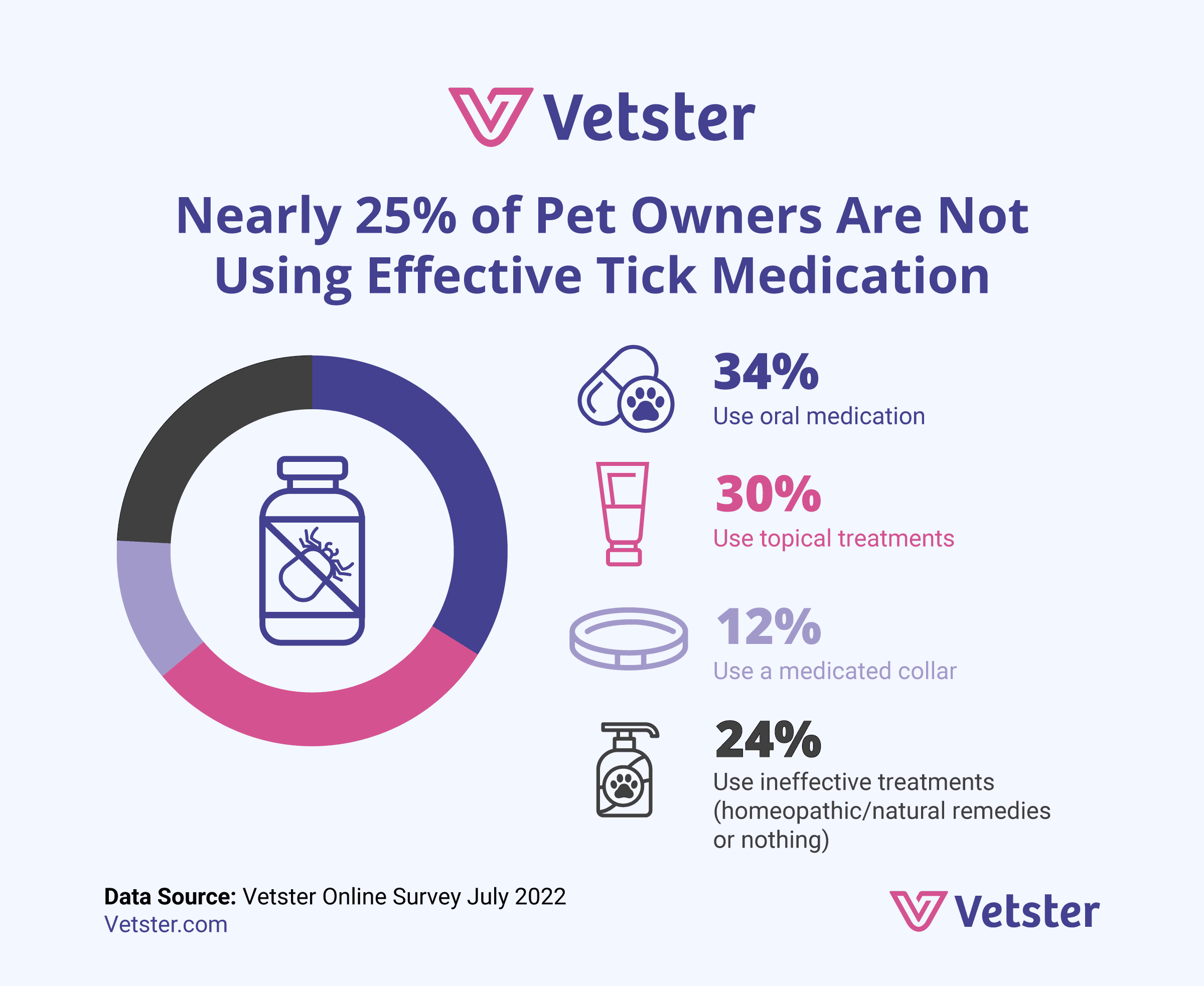
The last step to take if you find a tick on your pet is to consult with a veterinarian about tick prevention. Tick prevention is important for all pets, but it can look different for each species. Getting professional guidance keeps you from putting your pet at risk with products or strategies that aren’t safe or effective, and helps you avoid wasting time and money on things that don’t work.
It’s important to always use tick-prevention products exactly as directed, as even an effective product can be made ineffective if it’s not used correctly.
A vet can also help you learn about local tick risks, including:
- What tick species and diseases are endemic to your area
- When ticks are most active (often in early spring and late fall)
- How to avoid common tick habitats, such as brush, leaf litter, tall grass, and areas frequented by wildlife
A virtual vet appointment is a convenient way to get expert guidance on all of these factors and to determine your pet’s risks and the best tick-control strategy for them.
Preventing tick bites on dogs
Regular use of vet-recommended tick control is the cornerstone of preventing tick bites on dogs. It’s recommended by experts at the Companion Animal Parasite Council and other organizations that all dogs receive year-round flea and tick prevention. There are a variety of safe, effective parasite preventatives for dogs available both with and without a prescription. A veterinarian is the best source for a recommendation based on your and your dog’s unique needs.
Preventing tick bites on cats
Tick prevention is also important for cats, even if they remain indoors. While an indoor cat is less likely to get a tick than those that go outside, ticks can be carried indoors on clothing or other pets. The Companion Animal Parasite Council recommends year-round protection for all cats, while the guidelines adopted by the American Veterinary Medical Association and the American Animal Hospital Association call for parasite control based on individual risk.
Since experts differ, personalized guidance based on your cat’s situation is the best way to ensure safe and effective tick prevention. There are fewer tick-control products available for cats compared to dogs, and there are serious safety concerns with some over-the-counter options. You should never use a product meant for dogs on your cat, or any medication that was not recommended by a vet. It’s also important to make sure the product you’re using on your dog is safe to use around cats, even when it’s not being applied directly to your cat.
Preventing tick bites on horses
Pasture maintenance is the best way to control tick exposure on horses. You can limit tick habitat in your pasture by:
- Mowing back long grass and brush
- Cleaning up leaf litter
- Discouraging wildlife from entering the pasture
Some sources suggest that allowing poultry, like chickens or guinea fowl, to roam with horses may help reduce tick populations. While these birds may occasionally eat ticks, scientific studies do not support this method as an effective or reliable form of tick control. In fact, birds can themselves serve as hosts for ticks and contribute to the spread of tick-borne diseases. For this reason, poultry should not be relied upon as a primary tick-prevention strategy.
For more reliable protection, talk to your veterinarian about horse-safe tick-control products. Permethrin-based sprays and spot-ons labeled for equine use can be applied directly to your horse or their gear. Be sure to use only products approved for use on horses and always follow label directions.
When to contact a veterinarian about your pet’s ticks
It’s not usually necessary to contact a veterinarian after removing a few ticks from your pet. Most tick bites do not transmit disease or cause immediate health issues, especially if the tick is removed quickly. However, you should talk to a vet if:
- Your pet has a heavy tick infestation
- You pet is displaying signs of illness
- You need help removing a tick
- A tick bite isn’t healing
Heavy tick infestations can lead to anemia due to blood loss, especially in smaller animals. This is less likely to occur in healthy adult horses. Even a single tick bite can occasionally become infected, just like any minor skin wound, but this is uncommon.
It’s always important to contact a vet if your pet is showing signs of illness, regardless of whether they’ve been bitten by a tick or not. Most of the time when a pet develops a tick-borne illness, there isn't a known exposure.
Online vets can help if you are unsure how to safely remove a tick from your pet or where to look for additional ticks by offering step-by-step guidance in a virtual visit.
FAQ - What to do if your pet has ticks
How can an online vet help with my pet’s ticks?
An online vet can offer step-by-step guidance on how to safely remove a tick from your pet and how to look for other ticks. In addition, they can offer the most up-to-date information on safe and effective tick prevention based on your pet’s species, age, and lifestyle. This saves you time and money by helping you avoid treatments that aren’t right for your pet. Without professional guidance, it can be overwhelming to sort through the wide range of over-the-counter tick products, many of which differ in safety and effectiveness depending on your situation.
Can indoor cats get ticks?
Indoor cats are less likely to get ticks than outdoor cats due to less exposure to tick habitat. Since ticks can be brought indoors on clothing and other pets that go outdoors, tick prevention for indoor cats is still important. The Companion Animal Parasite Council recommends year-round protection for all cats, while the AAHA–AVMA Feline Preventive Healthcare Guidelines advise year-round parasite control as indicated by an individual risk assessment. When expert organizations aren’t aligned, it underscores the value of personalized guidance from a veterinarian who knows your cat and its individual risk.
How do I get rid of my dog’s ticks?
To remove a tick, grasp it with a clean pair of tweezers at the skin surface and gently pull outward until the skin tents. Wait for the tick to release, then dispose of it by dropping it into a small jar of rubbing alcohol, flushing it down a toilet, or wrapping it tightly with tape. If your dog has ticks, consult with a veterinarian on safe and effective tick prevention to help prevent the spread of tick-borne diseases and minimize other health risks posed by ticks and tick bites.
Disclaimer: This article, its content, and its related references do not constitute veterinary advice and should not be considered a substitute for veterinary care. If your pet is showing any symptoms that could indicate a medical emergency, please seek immediate emergency care.